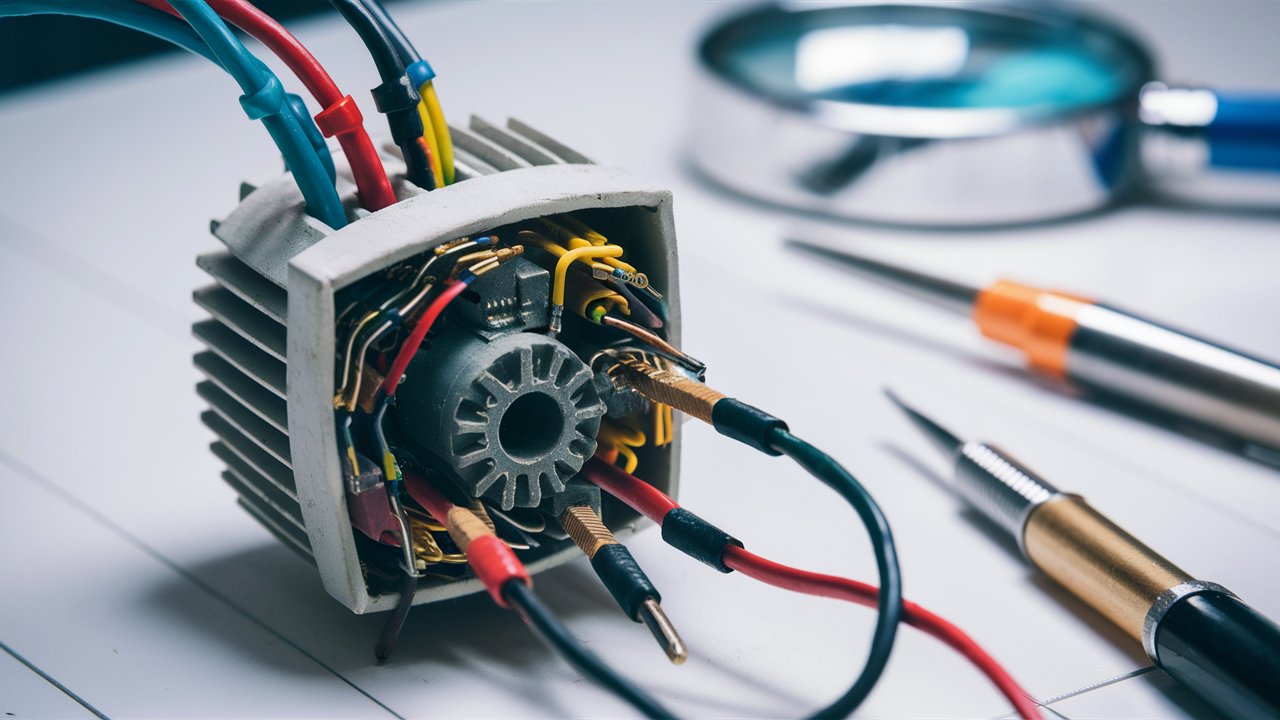
The blower motor resistor is one of the most essential yet often overlooked components in a vehicle’s heating, ventilation, and air conditioning (HVAC) system. It plays a crucial role in controlling the speed of the blower motor fan, which regulates the airflow inside the cabin. Whether adjusting the temperature on a cold winter morning or cooling down during summer, the blower motor resistor ensures that the fan operates at the desired speed. When this component fails, it can lead to issues such as the fan working only on certain speeds or not functioning at all. Understanding how the blower motor resistor works, the symptoms of failure, and how to replace it can help maintain comfort and efficiency in any vehicle.
What Is a Blower Motor Resistor?
A is an electrical component that controls the speed of the blower motor fan in a vehicle’s HVAC system. It works by varying the electrical resistance in the circuit, which in turn adjusts the amount of current flowing to the blower motor. This allows the fan to operate at different speeds—low, medium, or high—depending on the driver’s settings. In most vehicles, the resistor is located near the blower motor under the dashboard or behind the glove compartment. Some modern vehicles use a blower motor control module instead of a traditional resistor, but the function remains the same: to regulate airflow and maintain cabin comfort.
How a Blower Motor Resistor Works
The operates on a simple electrical principle. When the fan speed is set to low, the resistor introduces more electrical resistance, reducing the current that reaches the blower motor. This causes the fan to spin slower. Conversely, when the fan speed is set to high, the resistor allows more current to pass through, resulting in faster fan operation. The resistor typically consists of a series of coils or circuits that correspond to different fan speeds. Over time, these coils can wear out or burn due to heat and electrical load, leading to malfunction. Understanding this mechanism helps in diagnosing and repairing HVAC issues effectively.
Common Symptoms of a Bad Blower Motor Resistor
When a starts to fail, it often exhibits noticeable symptoms that affect the HVAC system’s performance. One of the most common signs is that the blower fan only works on one speed—usually the highest setting. This happens because the resistor’s lower-speed circuits have burned out, leaving only the direct high-speed connection functional. Another symptom is the complete failure of the blower motor, where no air comes from the vents regardless of the setting. In some cases, the fan may work intermittently or produce inconsistent airflow. A burning smell or visible signs of melting near the resistor connector can also indicate overheating and potential failure.
Causes of Blower Motor Resistor Failure
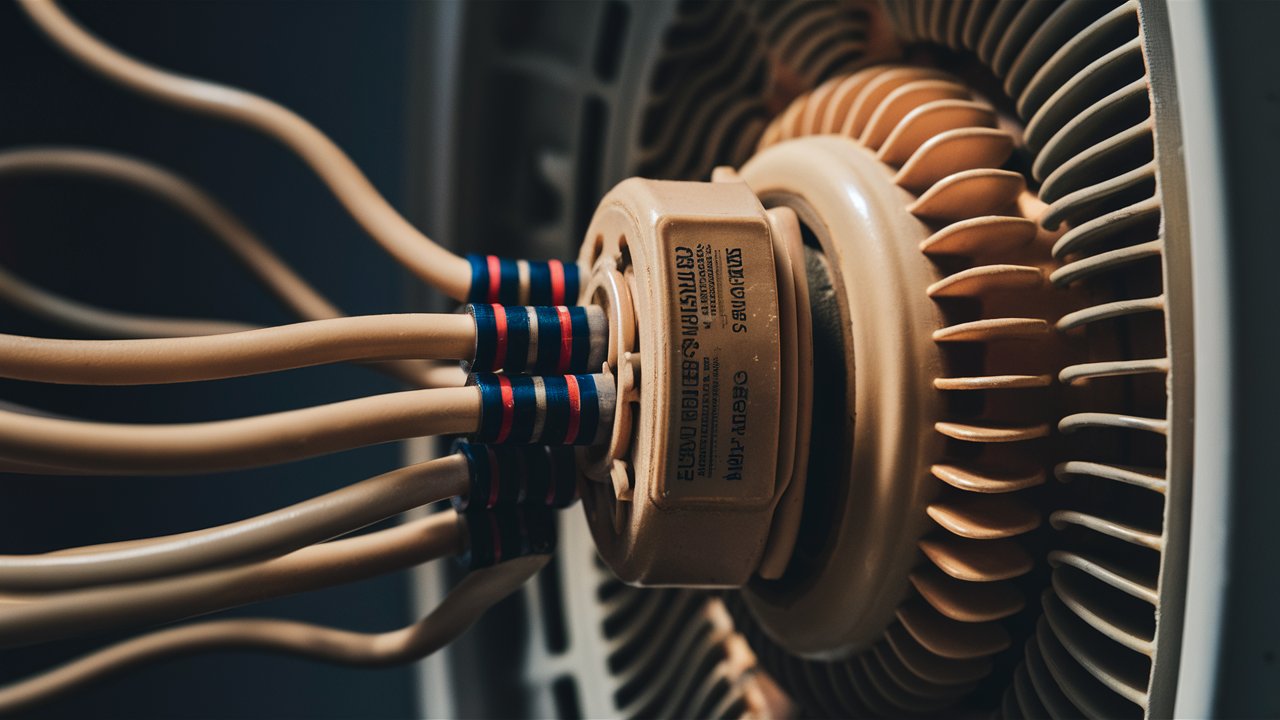
Several factors can lead to failure. The most common cause is overheating due to prolonged use or restricted airflow in the HVAC system. When the blower motor draws excessive current, it can cause the resistor to overheat and burn out. Corrosion or moisture intrusion in the resistor’s electrical connectors can also lead to poor conductivity and eventual failure. Additionally, a failing blower motor that draws too much power can damage the resistor over time. Regular maintenance, such as cleaning air filters and ensuring proper ventilation, can help prevent premature resistor failure.
How to Diagnose a Faulty Blower Motor Resistor
Diagnosing a issue involves a few simple steps. First, check if the blower fan operates at all speed settings. If it only works on one or two speeds, the resistor is likely the culprit. Next, inspect the resistor and its wiring harness for signs of damage, corrosion, or melting. Using a multimeter, measure the resistance across the resistor terminals to determine if it falls within the manufacturer’s specifications. If the readings are inconsistent or show an open circuit, the resistor needs replacement. It’s also important to test the blower motor itself, as a faulty motor can mimic resistor failure symptoms.
Replacing a Blower Motor Resistor
Replacing a is a relatively straightforward process that can often be done with basic tools. The resistor is typically located near the blower motor under the dashboard or behind the glove box. To replace it, disconnect the vehicle’s battery to ensure safety, remove the glove compartment or lower dashboard panel, and locate the resistor assembly. Unplug the electrical connector, remove the mounting screws, and take out the old resistor. Install the new resistor in the same position, secure it with screws, and reconnect the wiring harness. Once everything is reassembled, reconnect the battery and test the blower fan to ensure all speeds are functioning properly.
Cost of Blower Motor Resistor Replacement
The cost of replacing varies depending on the vehicle make and model. On average, the part itself costs between $25 and $80, while labor charges can range from $50 to $150 if performed by a professional mechanic. DIY replacement can save on labor costs, as the process is relatively simple and requires minimal tools. However, if the resistor failure is caused by an underlying issue such as a faulty blower motor or wiring problem, additional repairs may be necessary. Investing in a high-quality replacement resistor ensures durability and consistent performance.
Preventing Blower Motor Resistor Problems
Preventing blower motor resistor issues involves regular maintenance of the HVAC system. Keeping the cabin air filter clean ensures proper airflow, reducing strain on the blower motor and resistor. Avoid running the fan at maximum speed for extended periods, as this can generate excessive heat and wear out the resistor faster. Periodically inspect the resistor and wiring for signs of corrosion or damage, especially in older vehicles. Ensuring that the blower motor operates smoothly and does not draw excessive current can also prolong the resistor’s lifespan. Preventive care not only extends the life of the resistor but also maintains optimal comfort inside the vehicle.
Conclusion
The blower motor resistor is a small but vital component that ensures the proper functioning of a vehicle’s HVAC system. It allows drivers to control fan speeds and maintain a comfortable cabin environment in all weather conditions. When the resistor fails, it can lead to inconvenient issues such as limited airflow or complete fan failure. Understanding how the works, recognizing the symptoms of failure, and knowing how to replace it can save time and money while keeping the vehicle’s climate control system in top condition. Regular maintenance and timely replacement are key to ensuring long-term reliability and comfort.
Frequently Asked Questions
1. What does a blower motor resistor do?
A controls the speed of the blower fan in a vehicle’s HVAC system by regulating the electrical current that reaches the motor.
2. What are the symptoms of a bad blower motor resistor?
Common symptoms include the fan working only on one speed, inconsistent airflow, or complete failure of the blower motor.
3. Where is the blower motor resistor located?
It is usually located near the blower motor under the dashboard or behind the glove compartment.
4. Can I drive with a bad blower motor resistor?
Yes, but the HVAC system may not function properly, limiting your ability to control cabin temperature and airflow.
5. How much does it cost to replace a blower motor resistor?
Replacement costs typically range from $75 to $200, depending on the vehicle and labor rates.
6. What causes a blower motor resistor to fail?
Overheating, corrosion, excessive current draw from the blower motor, and poor airflow are common causes of failure.
7. Can I replace a blower motor resistor myself?
Yes, it’s a simple repair that can be done with basic tools and minimal mechanical experience.
8. How long does a blower motor resistor last?
A quality resistor can last several years, but lifespan depends on usage, maintenance, and overall HVAC system condition.
9. Is the blower motor resistor the same as the blower motor?
No, the resistor controls the motor’s speed, while the blower motor itself powers the fan that circulates air.
10. How can I prevent blower motor resistor failure?
Regularly clean or replace the cabin air filter, avoid prolonged use of maximum fan speed, and inspect the HVAC system for signs of wear or overheating.
