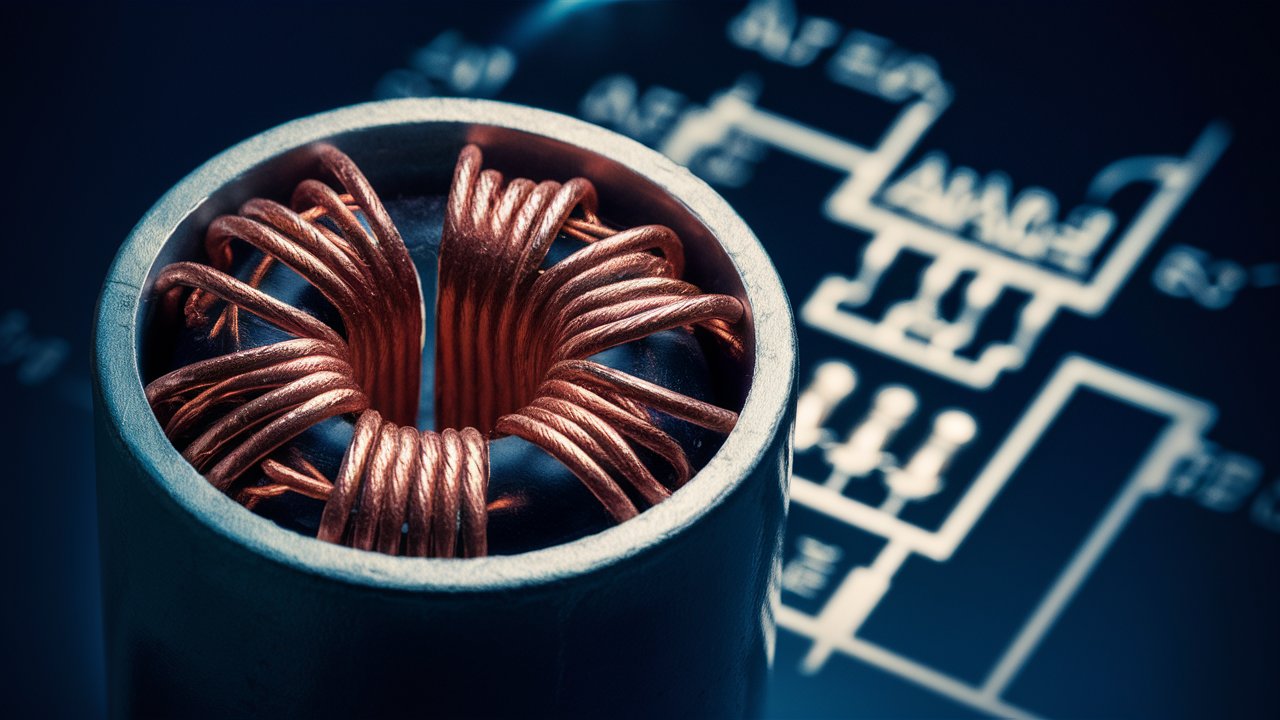
An AC capacitor is one of the most essential components in an air conditioning system, responsible for storing and releasing electrical energy to help the compressor and fan motors start and run efficiently. Without a properly functioning capacitor, an air conditioner cannot operate smoothly, leading to issues such as weak cooling, frequent shutdowns, or complete system failure. Understanding what an AC capacitor does, how it works, and when it needs replacement can help homeowners maintain their cooling systems effectively and avoid costly repairs.
What Is an AC Capacitor?
An AC capacitor is an electrical device that stores energy and releases it when needed to power the motors in an air conditioning system. It acts as a temporary battery, providing the necessary electrical boost to start the compressor, blower motor, and condenser fan motor. Once the system is running, the capacitor continues to regulate voltage and maintain a steady flow of electricity. Capacitors are measured in microfarads (µF), and each air conditioner model requires a specific capacitor size to function correctly. Using the wrong capacitor can lead to inefficiency, overheating, or even damage to the system’s electrical components.
How an AC Capacitor Works
The operation of an AC capacitor is based on the principle of energy storage and discharge. When the air conditioner is turned on, the capacitor charges up with electrical energy from the power supply. It then releases this stored energy in a quick burst to start the compressor and fan motors. After the initial startup, the capacitor continues to supply a steady current to keep the motors running efficiently. This process ensures that the air conditioner operates smoothly without drawing excessive power from the electrical circuit. Capacitors also help stabilize voltage fluctuations, protecting sensitive components from electrical surges and ensuring consistent cooling performance.
Types of AC Capacitors
There are three main types of AC capacitors used in air conditioning systems, each serving a specific purpose:
1. Start Capacitor
The start capacitor provides the initial jolt of electricity needed to start the compressor and fan motors. It is designed to deliver a high voltage for a short period and then disengage once the motor reaches its operating speed. Start capacitors are typically larger in size and have higher microfarad ratings than run capacitors.
2. Run Capacitor
The run capacitor remains active throughout the operation of the air conditioner, maintaining a consistent voltage supply to the motors. It ensures smooth and efficient performance by reducing power fluctuations and preventing overheating. Run capacitors are smaller and have lower microfarad ratings compared to start capacitors.
3. Dual Run Capacitor
A dual run capacitor combines the functions of both the start and run capacitors into a single unit. It has three terminals labeled “C” (common), “HERM” (compressor), and “FAN” (fan motor). Dual run capacitors are commonly used in modern air conditioning systems because they save space and simplify wiring.
Signs of a Bad AC Capacitor
A failing AC capacitor can cause several noticeable symptoms that affect the performance of the air conditioner. Common signs include:
- The air conditioner fails to start or takes longer than usual to turn on.
- The system produces a humming noise but does not blow cold air.
- The fan or compressor stops running unexpectedly.
- The air conditioner cycles on and off frequently.
- There is visible bulging, leaking, or corrosion on the capacitor casing.
If any of these symptoms occur, it is important to have the capacitor inspected and replaced by a qualified HVAC technician. Continuing to operate the system with a faulty capacitor can lead to motor damage and higher repair costs.
How to Test an AC Capacitor
Testing an AC capacitor requires a multimeter capable of measuring capacitance. Before testing, the power supply to the air conditioner must be turned off, and the capacitor should be discharged to prevent electrical shock. The multimeter probes are then connected to the capacitor terminals to measure its microfarad rating. If the reading is significantly lower than the value printed on the capacitor label, it indicates that the capacitor is weak or failing. Regular testing during maintenance visits can help detect issues early and prevent unexpected breakdowns.
Replacing an AC Capacitor
Replacing an AC capacitor is a relatively simple process for trained professionals but should not be attempted by unqualified individuals due to the risk of electric shock. The technician first disconnects the power, discharges the old capacitor, and removes it from the mounting bracket. The new capacitor must match the original in voltage and microfarad rating to ensure compatibility. Once installed, the technician reconnects the wires according to the labeled terminals and tests the system to confirm proper operation. Using a high-quality replacement capacitor can improve system reliability and extend the lifespan of the air conditioner.
Maintenance Tips for AC Capacitors
Proper maintenance can significantly extend the life of an AC capacitor and prevent premature failure. Regular HVAC inspections should include checking the capacitor for signs of wear, corrosion, or leakage. Keeping the outdoor unit clean and free of debris helps prevent overheating, which can damage the capacitor. It is also important to ensure that the electrical connections are tight and free from rust or oxidation. Scheduling annual maintenance with a certified technician ensures that all electrical components, including the capacitor, are functioning efficiently and safely.
Cost of AC Capacitor Replacement
The cost of replacing an AC capacitor varies depending on the type, brand, and labor charges. On average, homeowners can expect to pay between $100 and $300 for parts and installation. Dual run capacitors tend to be slightly more expensive than single capacitors due to their combined functionality. While it may be tempting to purchase a cheaper capacitor online, using a high-quality, manufacturer-approved part ensures better performance and longevity. Investing in professional installation also guarantees safety and proper system calibration.
Conclusion
An AC capacitor plays a vital role in the performance and reliability of an air conditioning system. It provides the necessary electrical energy to start and run the compressor and fan motors efficiently. Understanding how capacitors work, recognizing signs of failure, and performing timely maintenance can prevent costly repairs and ensure consistent cooling comfort. Whether replacing a faulty capacitor or maintaining an existing one, professional service and quality components are key to keeping an air conditioner running smoothly for years to come.
Frequently Asked Questions
1. What does an AC capacitor do?
An AC capacitor stores and releases electrical energy to help start and run the compressor and fan motors in an air conditioning system, ensuring efficient operation.
2. How long does an AC capacitor last?
Most AC capacitors last between 8 and 12 years, depending on usage, environmental conditions, and maintenance quality.
3. What happens if an AC capacitor fails?
If a capacitor fails, the air conditioner may struggle to start, produce weak airflow, or stop working entirely. In severe cases, it can cause damage to the compressor or fan motor.
4. Can I replace an AC capacitor myself?
Replacing an AC capacitor involves handling high-voltage components and should only be done by a qualified HVAC technician to ensure safety and proper installation.
5. How can I prevent AC capacitor failure?
Regular maintenance, keeping the outdoor unit clean, and scheduling annual HVAC inspections can help prevent capacitor failure and extend the lifespan of the air conditioning system.
