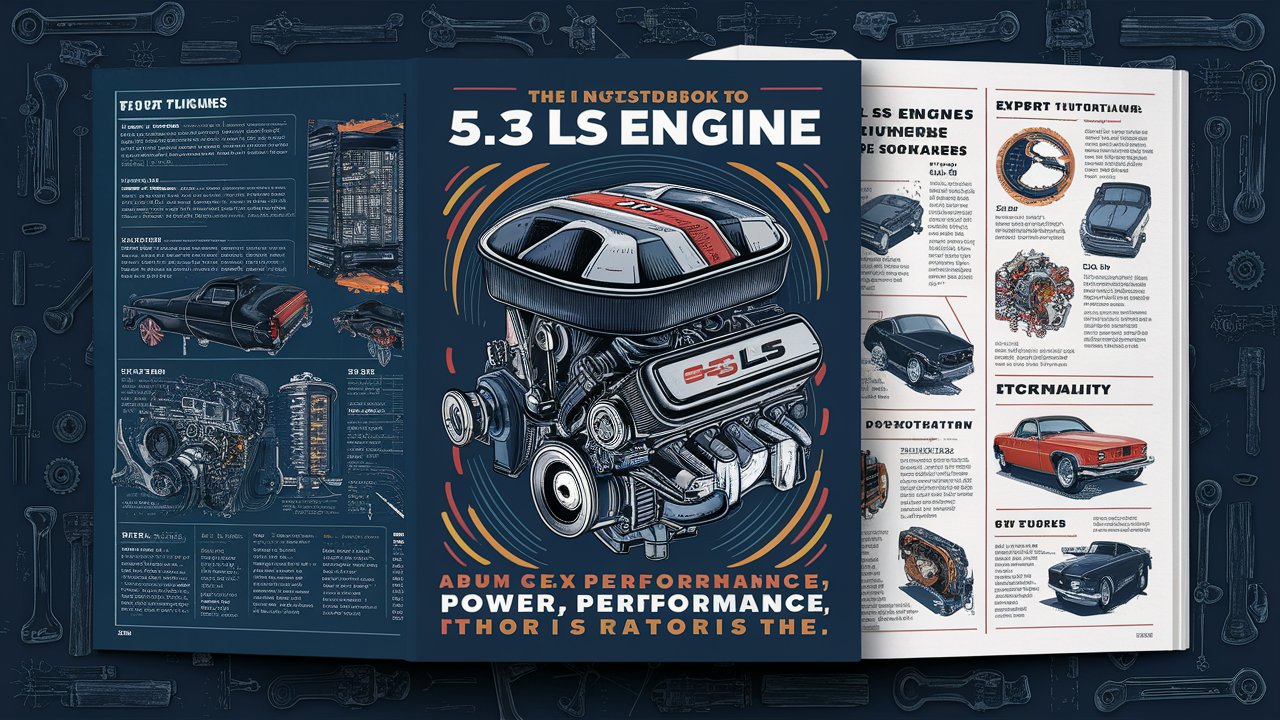
The 5.3 LS engine is one of the most iconic and versatile engines ever produced by General Motors. Known for its impressive balance of power, efficiency, and durability, the has become a favorite among car enthusiasts, mechanics, and performance builders. Originally designed for GM trucks and SUVs, this engine has found its way into countless custom builds, hot rods, and performance vehicles due to its affordability and upgrade potential. Its strong internal components, compact design, and massive aftermarket support make it one of the most sought-after engines for both daily driving and high-performance applications.
What Is a 5.3 LS Engine?
The is a 5.3-liter V8 engine that belongs to General Motors’ LS family of small-block engines. It was first introduced in the late 1990s as part of GM’s Gen III engine lineup and quickly became a cornerstone of the company’s powertrain offerings. With a displacement of 325 cubic inches, the was designed to deliver strong torque and horsepower while maintaining fuel efficiency and reliability. It features a pushrod design with two valves per cylinder, a compact layout, and a lightweight aluminum or cast-iron block depending on the model. Over the years, GM has produced several versions of the including the LM7, L59, L33, LY5, LC9, and LMG, each offering unique features and performance characteristics.
5.3 LS Engine Specifications and Performance
The is known for its impressive performance figures and robust engineering. Most versions of the engine produce between 270 and 355 horsepower and 315 to 380 lb-ft of torque, depending on the model and year. It features a bore of 3.78 inches and a stroke of 3.62 inches, providing a balanced combination of low-end torque and high-revving capability. The compression ratio typically ranges from 9.5:1 to 10.1:1, depending on the specific variant. Many later models include advanced technologies such as Active Fuel Management (AFM) and Variable Valve Timing (VVT), which improve fuel economy and emissions without sacrificing performance. The design allows it to deliver smooth power delivery, excellent throttle response, and long-term reliability, making it a top choice for both factory and custom applications.
Common Variants of the 5.3 LS Engine
Over the years, General Motors has produced several variants, each with its own unique features and improvements. The LM7 is one of the earliest and most common versions, featuring a cast-iron block and producing around 285 horsepower. The L59 is a flex-fuel version of the LM7, capable of running on ethanol blends. The L33, often referred to as the “High Output” 5.3, features an aluminum block and higher compression ratio, delivering up to 310 horsepower. Later models such as the LY5, LC9, and LMG introduced technologies like VVT and AFM, improving efficiency and emissions. Each variant offers different advantages depending on the intended use, whether for towing, performance, or fuel economy.
Why the 5.3 LS Engine Is So Popular
The has achieved legendary status among automotive enthusiasts for several reasons. Its combination of power, reliability, and affordability makes it an ideal choice for a wide range of applications. The engine’s simple pushrod design makes it easy to maintain and modify, while its compact size allows it to fit into a variety of vehicles. The LS platform’s modular design also means that many parts are interchangeable across different LS engines, making upgrades and repairs straightforward. Additionally, the widespread availability in junkyards and salvage vehicles makes it an affordable option for engine swaps and performance builds. Whether used in a daily driver, race car, or off-road truck, the delivers consistent performance and dependability.
5.3 LS Engine Reliability and Longevity
One of the most impressive aspects of the is its reliability. With proper maintenance, these engines can easily exceed 250,000 miles without major issues. The robust construction of the block, crankshaft, and connecting rods ensures long-term durability even under demanding conditions. Regular oil changes, proper cooling system maintenance, and timely replacement of wear items such as spark plugs and filters are key to keeping the engine running smoothly. While some models equipped with Active Fuel Management have been known to experience lifter issues, these problems can be resolved with an AFM delete kit or proper maintenance. Overall, the is known for its ability to handle both everyday driving and high-performance use with minimal problems.
Performance Upgrades for the 5.3 LS Engine
The is one of the most modification-friendly engines ever built. Its strong internals and efficient design make it an excellent platform for performance upgrades. Simple bolt-on modifications such as a performance camshaft, upgraded intake manifold, and long-tube headers can significantly increase horsepower and torque. For those seeking even more power, forced induction setups like turbochargers and superchargers can push the well beyond 600 horsepower with proper tuning and supporting modifications. Upgrading the fuel system, cylinder heads, and exhaust can further enhance performance. The aftermarket support for LS engines is massive, offering countless options for customization, from mild street builds to full race setups.
5.3 LS Engine Swap Potential
The has become one of the most popular choices for engine swaps due to its compact design, affordability, and compatibility with a wide range of vehicles. Enthusiasts often swap into classic muscle cars, off-road trucks, and even import vehicles to achieve modern performance and reliability. The availability of swap kits, wiring harnesses, and aftermarket support makes the process relatively straightforward. The engine’s lightweight design and strong aftermarket tuning options allow it to fit into various chassis configurations. Whether replacing an older small-block or upgrading a project car, the offers an ideal combination of power, efficiency, and adaptability.
Maintenance Tips for the 5.3 LS Engine
Proper maintenance is essential to ensure the longevity and performance. Regular oil changes using high-quality synthetic oil help protect internal components and extend engine life. Monitoring coolant levels and maintaining the cooling system prevent overheating, which can cause serious damage. Replacing spark plugs, ignition coils, and filters at recommended intervals ensures optimal combustion and fuel efficiency. Following a consistent maintenance schedule not only enhances performance but also preserves the engine’s long-term reliability.
Conclusion
The 5.3 LS engine stands as one of the most versatile and dependable engines ever produced by General Motors. Its combination of power, efficiency, and durability has made it a favorite among enthusiasts, mechanics, and builders worldwide. From stock applications in trucks and SUVs to high-performance builds and engine swaps, the continues to prove its worth as a reliable and powerful platform. With proper maintenance and the right upgrades, it can deliver exceptional performance for years to come, making it a cornerstone of modern automotive engineering.
Frequently Asked Questions (FAQ)
1. What vehicles came with the 5.3 LS engine?
The 5.3 LS engine was used in various GM vehicles, including the Chevrolet Silverado, GMC Sierra, Tahoe, Suburban, and several other trucks and SUVs.
2. How much horsepower does a stock 5.3 LS engine produce?
Depending on the model and year, a stock 5.3 LS engine produces between 270 and 355 horsepower.
3. Is the 5.3 LS engine reliable?
Yes, the 5.3 LS engine is known for its reliability and longevity, often lasting over 250,000 miles with proper maintenance.
4. Can the 5.3 LS engine handle boost?
Yes, the 5.3 LS engine can handle moderate levels of boost with proper tuning and supporting modifications, making it a popular choice for turbo and supercharger setups.
5. What are common problems with the 5.3 LS engine?
Some models with Active Fuel Management may experience lifter or oil consumption issues, but these can be resolved with maintenance or AFM delete kits.
6. Why is the 5.3 LS engine popular for swaps?
The 5.3 LS engine is affordable, compact, and widely available, making it an ideal choice for engine swaps in a variety of vehicles.
