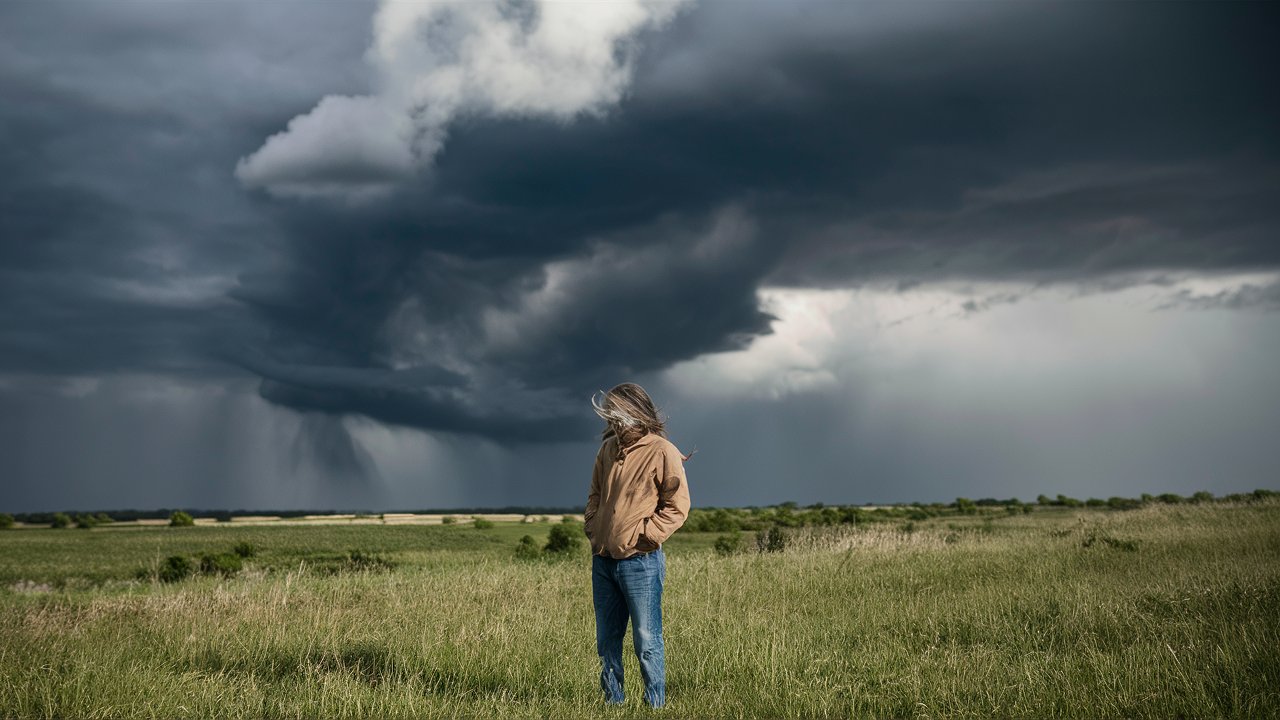
The Kankakee Tornado of 2026 has become one of the most talked-about weather events in recent years, trending across social media platforms and dominating news headlines nationwide. Striking the city of Kankakee, Illinois, and surrounding areas with devastating force, the tornado left behind a trail of destruction that has sparked widespread discussion about climate change, emergency preparedness, and community resilience. As images and videos of the storm’s aftermath continue to circulate online, millions are seeking to understand what happened, why it was so severe, and how residents are recovering.
The Formation and Path of the Kankakee Tornado 2026
The Kankakee Tornado formed on the afternoon of May 17, 2026, under a volatile weather system that had been building across the Midwest for several days. Meteorologists had been tracking a strong cold front colliding with warm, moist air from the Gulf of Mexico—an ideal setup for severe thunderstorms and potential tornadoes. By mid-afternoon, radar indicated strong rotation near the Kankakee River Valley, and within minutes, a large funnel cloud touched down southwest of the city.
The tornado rapidly intensified, reaching an estimated EF4 strength on the Enhanced Fujita Scale, with wind speeds exceeding 170 miles per hour. It carved a destructive path through residential neighborhoods, industrial zones, and farmland, remaining on the ground for nearly 25 miles before dissipating near the town of Momence. The storm’s path was marked by uprooted trees, flattened homes, overturned vehicles, and widespread power outages.
Meteorologists later confirmed that the Kankakee Tornado was part of a larger outbreak that affected multiple states, but its intensity and proximity to populated areas made it one of the most destructive storms of the year.
The Impact and Damage Assessment
The damage caused by the Kankakee Tornado 2026 was extensive and heartbreaking. Entire blocks of homes were reduced to rubble, and several schools, churches, and small businesses sustained severe structural damage. The Kankakee County Emergency Management Agency reported that hundreds of residents were displaced, with dozens injured and several fatalities confirmed in the days following the storm.
Utility infrastructure suffered significant damage as well. Power lines were torn down, leaving thousands without electricity for days. Water and gas lines were also disrupted, complicating rescue and recovery efforts. Emergency crews worked tirelessly to clear debris, restore essential services, and provide shelter for those affected.
Insurance companies estimated total damages in the hundreds of millions of dollars, making the Kankakee Tornado one of the costliest natural disasters in Illinois in recent history. Despite the devastation, the rapid response from local authorities, first responders, and volunteers helped prevent further loss of life and ensured that aid reached those in need quickly.
Why the Kankakee Tornado 2026 Is Trending
The Kankakee Tornado 2026 quickly became a trending topic across social media platforms such as Twitter, Facebook, and TikTok. Videos captured by residents showed the massive funnel cloud tearing through neighborhoods, while drone footage revealed the scale of destruction from above. These visuals spread rapidly, drawing attention from across the country and even internationally.
In addition to the dramatic imagery, the tornado’s timing contributed to its viral status. Occurring during a period of heightened public concern about extreme weather and climate change, the event reignited debates about how global warming may be influencing the frequency and intensity of severe storms. Hashtags like #KankakeeTornado2026 and #IllinoisStorm trended for days, with users sharing updates, donation links, and personal stories of survival and loss.
News outlets and meteorologists also played a role in amplifying the story, providing live coverage and expert analysis. The combination of emotional human stories, scientific interest, and social media engagement made the Kankakee Tornado 2026 one of the most discussed weather events of the year.
Community Response and Recovery Efforts
In the aftermath of the tornado, the Kankakee community demonstrated remarkable resilience and unity. Local organizations, churches, and schools opened their doors as temporary shelters for displaced families. Volunteers from across Illinois and neighboring states arrived to assist with cleanup and rebuilding efforts.
The American Red Cross and Federal Emergency Management Agency (FEMA) quickly mobilized to provide emergency relief, including food, water, and temporary housing. Local businesses donated supplies, and fundraising campaigns were launched to support recovery initiatives. Within weeks, debris removal was well underway, and rebuilding plans began to take shape.
Community leaders emphasized the importance of rebuilding stronger and smarter. Discussions about improved building codes, storm shelters, and early warning systems gained momentum. The tragedy also inspired new community preparedness programs aimed at educating residents about tornado safety and emergency planning.
The Role of Climate Change and Weather Patterns
While tornadoes are a natural part of the Midwest’s weather patterns, scientists continue to study how climate change may be influencing their behavior. The Kankakee Tornado 2026 reignited discussions among meteorologists and climate experts about the potential link between rising global temperatures and the increasing volatility of severe weather systems.
Warmer air holds more moisture, which can fuel stronger thunderstorms capable of producing large tornadoes. Additionally, shifting jet stream patterns may be altering the regions most prone to tornado activity. Although it is difficult to attribute any single tornado directly to climate change, the frequency of severe weather outbreaks in recent years has raised important questions about preparedness and adaptation.
The Kankakee event serves as a reminder that communities must remain vigilant and proactive in the face of changing weather dynamics. Investments in forecasting technology, public awareness, and infrastructure resilience are essential to reducing future risks.
Lessons Learned and Future Preparedness
The Kankakee Tornado 2026 underscored the importance of early warning systems, community coordination, and disaster readiness. Many residents credited timely alerts from weather apps and local news stations for giving them precious minutes to seek shelter. However, others noted that sirens were difficult to hear in certain areas, prompting calls for improved alert systems.
Local officials have since announced plans to upgrade emergency communication networks and expand public education campaigns about tornado safety. Schools and workplaces are reviewing their emergency protocols, and new construction projects are being encouraged to include reinforced safe rooms.
The event also highlighted the power of community solidarity. From first responders to volunteers, the collective effort to rebuild Kankakee has become a symbol of hope and perseverance. The lessons learned from this disaster will likely shape how the region prepares for future storms.
Conclusion
The Kankakee Tornado 2026 will be remembered not only for its destructive power but also for the resilience and unity it inspired. As the city rebuilds, it stands as a testament to the strength of community spirit in the face of adversity. The event has sparked important conversations about climate change, emergency preparedness, and the need for stronger infrastructure to withstand future storms.
Frequently Asked Questions (FAQs)
1. When did the Kankakee Tornado 2026 occur?
The tornado struck on May 17, 2026, during a severe weather outbreak across the Midwest.
2. What was the strength of the Kankakee Tornado?
It was rated an EF4 on the Enhanced Fujita Scale, with estimated wind speeds exceeding 170 mph.
3. How long was the tornado on the ground?
The tornado remained on the ground for approximately 25 miles before dissipating near Momence, Illinois.
4. How much damage did the tornado cause?
Damage estimates exceeded hundreds of millions of dollars, making it one of Illinois’ costliest natural disasters.
5. Were there any fatalities?
Yes, several fatalities and numerous injuries were reported, though quick emergency response helped minimize casualties.
6. Why is the Kankakee Tornado 2026 trending online?
The tornado’s dramatic footage, widespread destruction, and discussions about climate change made it a viral topic on social media.
7. What organizations are helping with recovery?
FEMA, the American Red Cross, and numerous local charities have been involved in relief and rebuilding efforts.
8. Is climate change linked to the tornado?
While no single tornado can be directly attributed to climate change, scientists believe warming temperatures may influence severe weather patterns.
9. How is Kankakee recovering now?
Rebuilding efforts are ongoing, with new infrastructure, housing projects, and community support programs in place.
10. What can be learned from the Kankakee Tornado 2026?
The event highlights the importance of preparedness, strong community networks, and investment in resilient infrastructure to mitigate future disasters.
