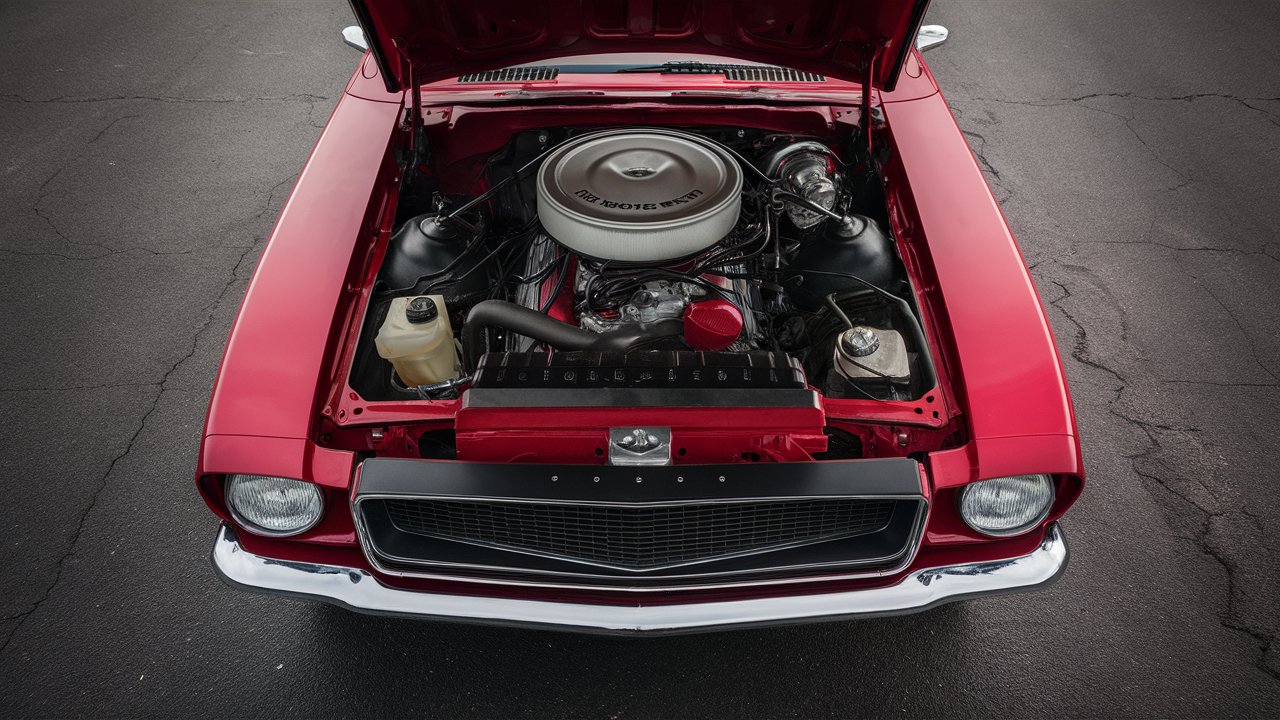
The 5.0 Coyote engine has become one of the most iconic powerplants in modern automotive history, representing Ford’s commitment to performance, innovation, and engineering excellence. Introduced in 2011 as part of the Mustang GT lineup, the 5.0 Coyote engine quickly gained a reputation for its impressive horsepower, smooth power delivery, and exceptional reliability. Designed as a naturally aspirated V8, it combines advanced technology with traditional muscle car performance, making it a favorite among enthusiasts, tuners, and racers alike. This comprehensive guide explores everything about the 5.0 coyote engine from its design and specifications to its upgrades, maintenance, and cost—helping readers understand why it remains one of the most respected engines in the automotive world.
1. What Is the 5.0 Coyote Engine?
The 5.0 Coyote engine is a 5.0-liter V8 engine developed by Ford Motor Company for its performance vehicles, primarily the Mustang GT and F-150. It was designed to replace the older 4.6-liter Modular V8, offering more power, efficiency, and durability. The engine features an aluminum block and heads, dual overhead camshafts (DOHC), and variable valve timing technology known as Ti-VCT (Twin Independent Variable Camshaft Timing). This allows for precise control of valve timing, improving both performance and fuel economy. The Coyote engine’s combination of modern engineering and classic V8 characteristics makes it a versatile platform for both street and track applications.
2. 5.0 Coyote Engine Specifications and Performance
The 5.0 coyote enginedelivers an impressive balance of power and efficiency. The first-generation Coyote, introduced in 2011, produced 412 horsepower and 390 lb-ft of torque. Over the years, Ford has refined the engine, with the latest versions producing up to 480 horsepower in the Mustang GT and even more in special editions like the Mustang Mach 1. The engine’s 11.0:1 compression ratio, forged crankshaft, and high-flow cylinder heads contribute to its robust performance. Its redline of around 7,000 RPM 5.0 coyote engine allows for exhilarating acceleration and responsiveness. The Coyote’s design also supports forced induction setups, making it a popular choice for supercharger and turbocharger upgrades.
3. Evolution of the 5.0 Coyote Engine
Since its debut, the 5.0 Coyote engine has undergone several generations of improvements. The first generation (2011–2014) introduced the foundation of the design, focusing on power and efficiency. The second generation (2015–2017) brought enhancements such as revised cylinder heads, larger intake and exhaust valves, and improved camshaft profiles, increasing output to 435 horsepower. The third generation (2018–present) introduced direct and port fuel injection, a higher compression ratio, and stronger internals, pushing power to 460 horsepower and beyond. Each generation of the 5.0 coyote engine reflects Ford’s continuous innovation and dedication to performance excellence.
4. 5.0 Coyote Engine in the Ford Mustang
The 5.0 Coyote engine is most famously associated with the Ford Mustang GT, where it has become a symbol of American muscle and performance. Its combination of raw power, smooth delivery, and modern technology gives the Mustang a perfect balance between classic V8 sound and contemporary refinement. The engine’s responsiveness and high-revving nature make it ideal for spirited driving and track performance. In addition to the standard Mustang GT, the Coyote engine has powered special editions such as the Mustang Bullitt and Mach 1, each tuned for enhanced performance and driving dynamics. The 5.0 Coyote engine continues to define the Mustang’s identity as a true performance icon.
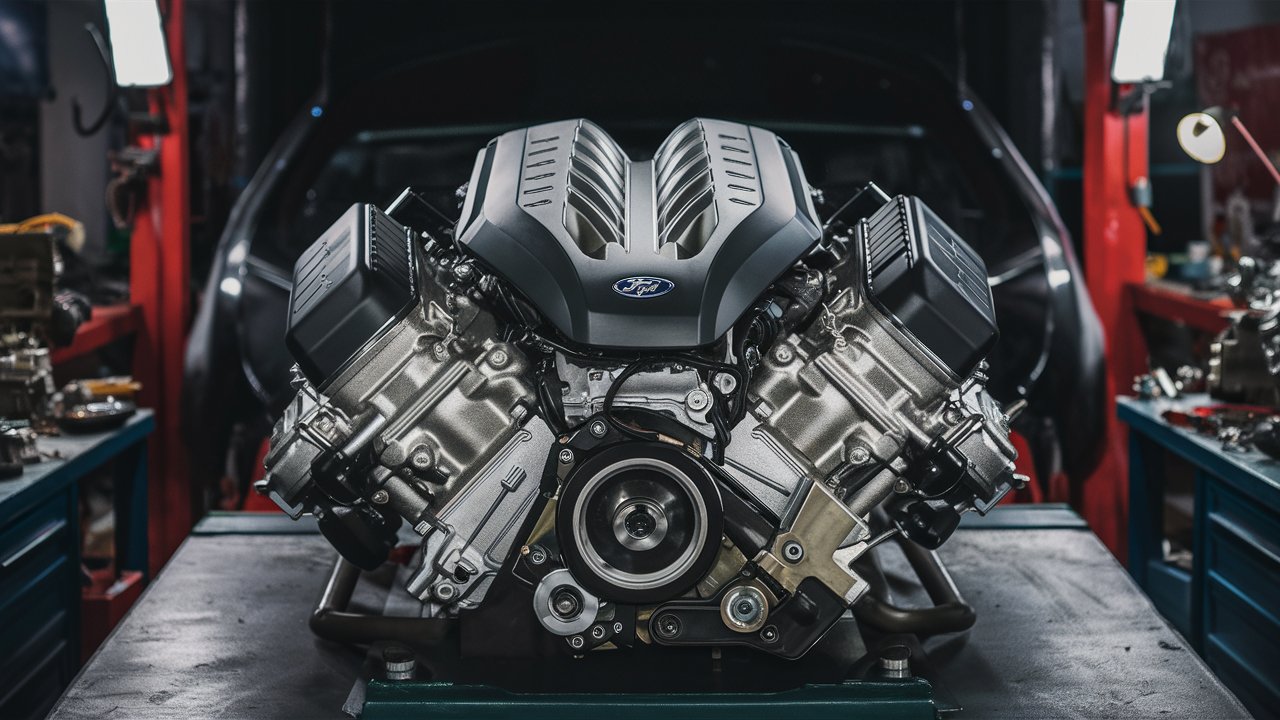
5. 5.0 Coyote Engine in the Ford F-150
Beyond the Mustang, the 5.0 coyote engine also powers the Ford F-150, offering a perfect blend of strength and efficiency for truck enthusiasts. In the F-150, the engine is tuned for torque and towing capability, delivering around 400 horsepower and 410 lb-ft of torque. Its aluminum construction helps reduce weight, improving fuel economy without sacrificing durability. The Coyote-powered F-150 provides smooth acceleration, excellent hauling performance, and long-term reliability, making it a favorite among truck owners who value both power and practicality. The engine’s versatility proves that it can perform equally well in both sports cars and work trucks.
6. Common 5.0 Coyote Engine Problems and Reliability
The 5.0 coyote engine is known for its reliability, but like any high-performance engine, it can experience certain issues over time. Common problems include oil consumption, ticking noises from the valvetrain, and occasional misfires due to carbon buildup. However, these issues are relatively minor and often result from poor maintenance or extended use under extreme conditions. Regular oil changes, proper cooling system care, and timely tune-ups can prevent most problems.
7. 5.0 Coyote Engine Upgrades and Modifications
One of the biggest advantages of the 5.0 Coyote engine is its tunability. Enthusiasts can easily enhance performance through a variety of upgrades, including cold air intakes, performance exhaust systems, and ECU tuning. For those seeking extreme power, supercharger and turbocharger kits can push output beyond 700 horsepower. Upgraded fuel injectors, camshafts, and forged internals further improve performance and reliability under high boost conditions. Its adaptability makes it one of the most popular engines for performance builds and swaps.
8. Cost of a 5.0 Coyote Engine and Replacement Options
The cost of a 5.0 coyote engine varies depending on the model year, condition, and whether it’s new or used. Installation costs depend on labor rates and vehicle type, often adding another $1,000 to $3,000. For enthusiasts building custom cars or performing engine swaps, the Coyote engine offers excellent value for its performance and reliability. Its availability as a crate engine makes it a popular choice for classic car restorations and custom builds.
9. Why the 5.0 Coyote Engine Is So Popular
The 5.0 coyote engine popularity stems from its perfect combination of modern technology, classic V8 sound, and proven performance. It delivers exceptional horsepower and torque while maintaining everyday drivability and fuel efficiency. Its robust design allows for extensive tuning potential, making it a favorite among performance enthusiasts and professional racers. The engine’s reliability and longevity further enhance its appeal, ensuring that it performs consistently under demanding conditions.
Conclusion
The 5.0 Coyote engine stands as a testament to Ford’s engineering excellence and dedication to performance innovation. Its combination of power, reliability, and versatility has made it one of the most respected engines in the automotive industry. From the Mustang GT to the F-150, the Coyote engine delivers thrilling performance and everyday practicality. With its strong aftermarket support and upgrade potential, it remains a top choice for enthusiasts seeking both power and dependability. Whether stock or modified, the 5.0 Coyote engine continues to embody the spirit of American performance and will undoubtedly remain a legend for years to come.
Frequently Asked Questions (FAQ)
1. How much horsepower does the 5.0 Coyote engine have?
Depending on the generation, the 5.0 Coyote engine produces between 412 and 480 horsepower in stock form, with higher outputs in performance-tuned versions.
2. What vehicles use the 5.0 Coyote engine?
The 5.0 Coyote engine is primarily found in the Ford Mustang GT and Ford F-150, though it’s also popular in custom builds and engine swaps.
3. Is the 5.0 Coyote engine reliable?
Yes, the 5.0 Coyote engine is known for its durability and can last over 200,000 miles with proper maintenance and care.
4. How much does a 5.0 Coyote engine cost?
A new 5.0 Coyote crate engine costs between $7,000 and $10,000, while used or rebuilt versions range from $3,000 to $6,000.
5. Can the 5.0 Coyote engine be supercharged?
Yes, the Coyote engine is highly compatible with supercharger and turbocharger kits, allowing for power outputs exceeding 700 horsepower.
6. What is the difference between Coyote engine generations?
Each generation introduced improvements such as better airflow, higher compression ratios, and advanced fuel injection systems for increased power and efficiency.
7. How often should the 5.0 Coyote engine be serviced?
Regular oil changes every 5,000 to 7,500 miles and routine inspections of belts, filters, and fluids help maintain optimal performance.
8. What makes the 5.0 Coyote engine special?</span>
Its combination of modern DOHC design, variable valve timing, and classic V8 power makes it one of the most balanced and versatile engines available.
9. Can the 5.0 Coyote engine fit in older cars?
Yes, many enthusiasts perform Coyote swaps in classic Mustangs and other vehicles using specialized kits designed for compatibility.
10. Is the 5.0 Coyote engine worth it?
The 5.0 Coyote engine offers exceptional performance, reliability, and upgrade potential, making it one of the best modern V8 engines on the market.
