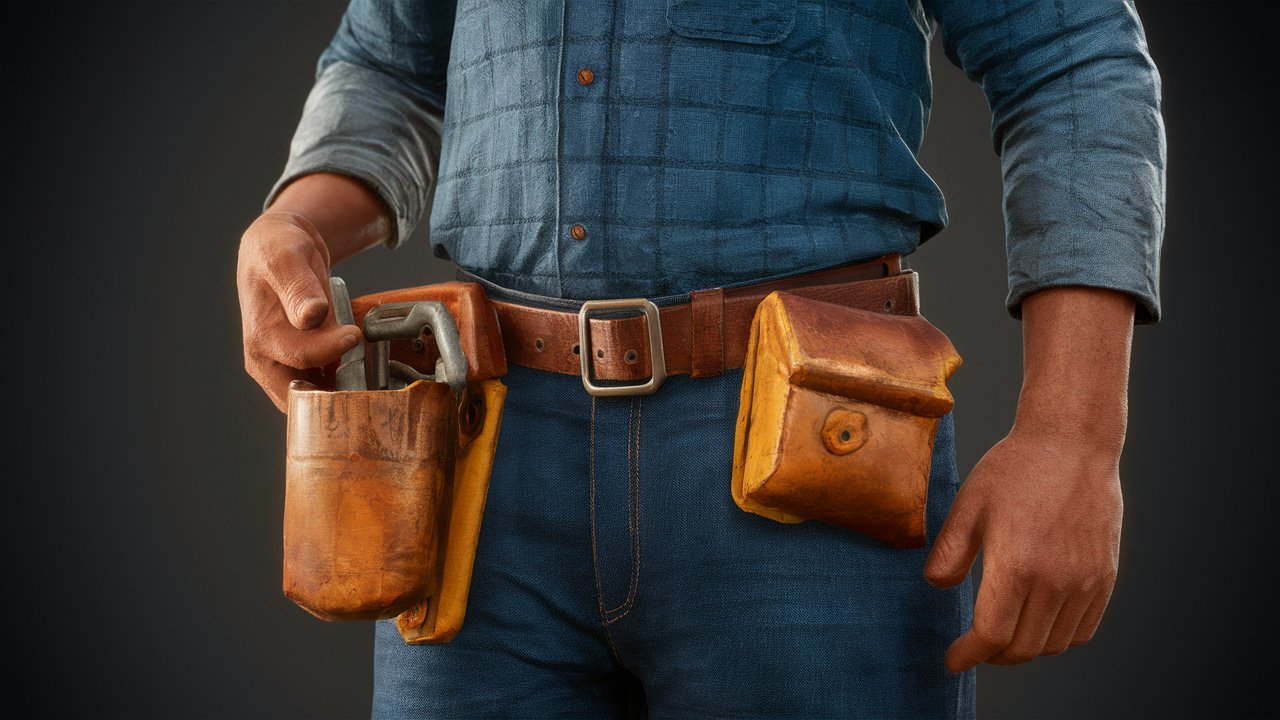
A tool belt is one of the most essential accessories for professionals and DIY enthusiasts alike. It provides convenience, efficiency, and mobility by keeping tools within easy reach while working. Whether used by carpenters, electricians, plumbers, or construction workers, a well-designed tool belt can significantly improve productivity and reduce downtime spent searching for tools. The right tool belt not only organizes equipment but also distributes weight evenly, preventing strain and discomfort during long hours of work.
What Is a Tool Belt?
A tool belt is a wearable storage system designed to hold and organize tools while allowing hands-free movement. Typically worn around the waist or hips, it features multiple pockets, loops, and compartments for carrying essential tools such as hammers, screwdrivers, pliers, nails, and measuring tapes. Tool belts are made from durable materials like leather, nylon, or canvas to withstand heavy use and harsh working conditions. They are commonly used in construction, carpentry, electrical work, and home improvement projects. The main advantage of a tool belt is accessibility—it keeps tools within arm’s reach, reducing the need to constantly move back and forth to a toolbox. This convenience translates into greater efficiency, safety, and comfort on the job.
Types of Tool Belts
Tool belts come in various designs tailored to specific trades and preferences. Carpenter tool belts typically feature large pouches for nails, screws, and hand tools, along with hammer loops and tape measure clips. Electrician tool belts are designed with smaller, insulated pockets to hold pliers, wire strippers, and voltage testers safely. Framer tool belts are built for heavy-duty use, offering deep pouches and reinforced stitching to handle bulky tools and fasteners. Plumber tool belts often include specialized compartments for pipe wrenches and fittings. There are also adjustable and modular tool belts, which allow users to customize pouch placement and size according to their workflow. Choosing the right type depends on the nature of the work, the number of tools needed, and personal comfort preferences.
Materials Used in Tool Belts
The material of a tool belt greatly influences its durability, comfort, and weight. Leather tool belts are known for their strength, longevity, and classic appearance. They can withstand heavy loads and rough conditions, making them ideal for professional tradespeople. However, they tend to be heavier and require regular maintenance to prevent cracking. Nylon tool belts are lightweight, flexible, and resistant to moisture, making them suitable for outdoor or high-mobility work. They often feature padded belts and reinforced stitching for added comfort. Canvas tool belts offer a balance between durability and affordability, providing a comfortable fit for light to medium-duty tasks. When selecting a material, it’s important to consider the working environment, weight capacity, and maintenance requirements.
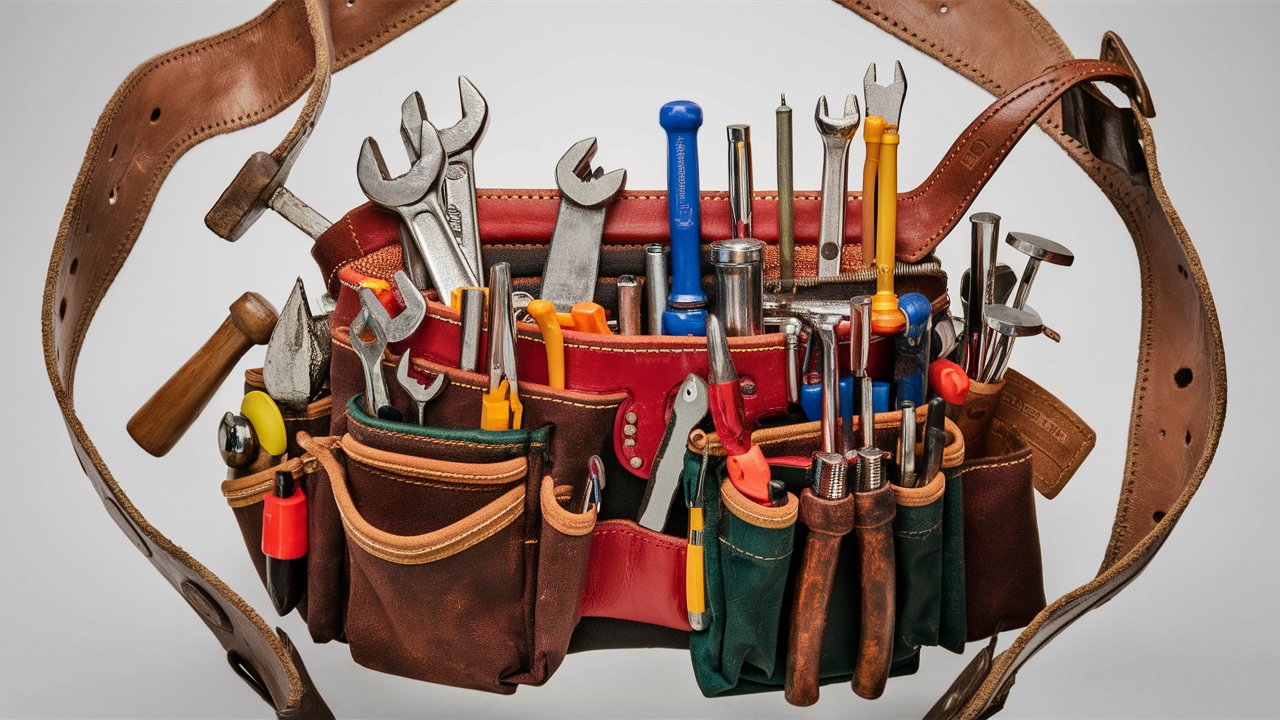
How to Organize a Tool Belt
Proper organization is key to maximizing the efficiency of a tool belt. Start by placing the most frequently used tools in the front or dominant-hand side for quick access. Heavier tools, such as hammers or wrenches, should be positioned near the hips to maintain balance and reduce strain. Smaller items like nails, screws, and drill bits can be stored in smaller pouches or compartments to prevent clutter. Many professionals prefer a symmetrical setup, with similar tools on both sides for even weight distribution. For specialized tasks, modular tool belts allow rearranging or swapping pouches as needed. Keeping the belt organized not only saves time but also enhances safety by minimizing the risk of dropping tools or tripping over misplaced items.
Benefits of Using a Tool Belt
A tool belt offers numerous advantages that go beyond simple convenience. It improves productivity by keeping essential tools within reach, eliminating unnecessary trips to the toolbox. It also enhances safety by reducing clutter and ensuring that tools are securely stored when not in use. The ergonomic design of modern tool belts helps distribute weight evenly across the hips and lower back, minimizing fatigue and discomfort during long work hours. For professionals working at heights or on ladders, a tool belt provides hands-free access to tools, improving stability and efficiency. Additionally, using a tool belt fosters better organization habits, leading to faster, more precise work.
Maintenance and Care for Tool Belts
Regular maintenance extends the lifespan of a tool belt and ensures consistent performance. For leather tool belts, apply a leather conditioner periodically to keep the material supple and prevent cracking. Avoid exposing leather to excessive moisture or direct sunlight for prolonged periods. Nylon and canvas belts can be cleaned with mild soap and water, then air-dried completely before use. Inspect the belt regularly for signs of wear, such as frayed stitching, torn pockets, or broken buckles, and repair or replace damaged parts promptly. Proper storage is also important—hang the belt in a dry, cool place when not in use to maintain its shape and durability.
Conclusion
A tool belt is an indispensable companion for anyone who values efficiency, organization, and comfort while working. By keeping tools accessible and well-arranged, it enhances productivity and safety across a wide range of trades and projects. Choosing the right tool belt involves considering factors such as material, design, and intended use, while proper organization and maintenance ensure long-term reliability. Whether for a professional craftsman or a weekend DIY enthusiast, investing in a high-quality tool belt is a smart decision that pays off in convenience, performance, and durability.
Frequently Asked Questions
1. What is the best material for a tool belt?
Leather is the most durable and long-lasting material, ideal for heavy-duty work. Nylon and canvas are lighter alternatives suitable for general use and outdoor conditions.
2. How should a tool belt fit?
A tool belt should fit snugly around the waist or hips without restricting movement. Adjustable belts with padded support provide the best comfort and weight distribution.
3. Can I wash my tool belt?
Nylon and canvas tool belts can be cleaned with mild soap and water, while leather belts should be wiped clean and conditioned instead of washed.
4. How do I prevent back pain when wearing a tool belt?
Distribute weight evenly across both sides of the belt, avoid overloading, and choose a padded or suspenders-supported design to reduce strain on the lower back.
5. What tools should I keep in my tool belt?
Essential tools depend on the trade but commonly include a hammer, tape measure, utility knife, pliers, screwdrivers, nails, and a pencil for marking measurements.
