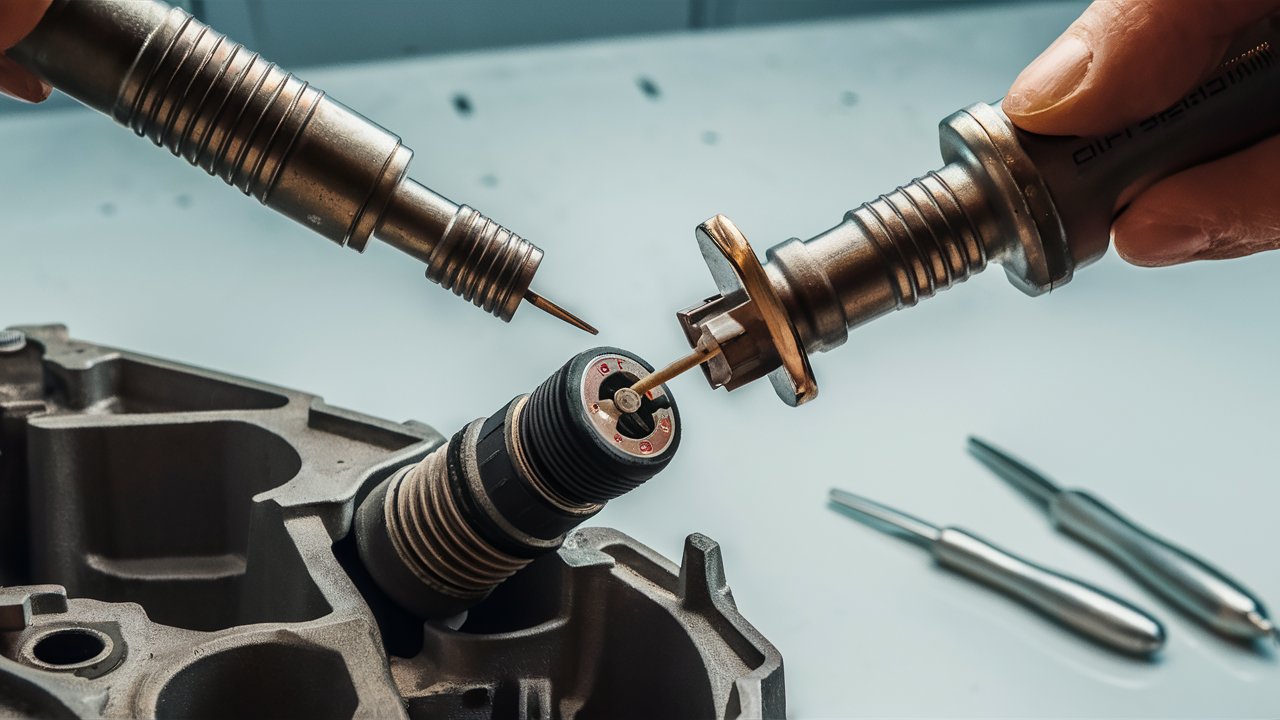
A spark plug gap tool is one of the most essential instruments for anyone maintaining or tuning an engine. Whether working on a car, motorcycle, lawn mower, or small engine, the spark plug gap determines how efficiently the spark ignites the air-fuel mixture inside the combustion chamber. Even a small deviation in the gap can lead to misfires, poor fuel economy, or reduced engine performance. The spark plug gap tool ensures that the distance between the electrodes is set precisely to the manufacturer’s specifications.
What Is a Spark Plug Gap Tool?
A spark plug gap tool is a small, specialized device used to measure and adjust the distance between the center and ground electrodes of a spark plug. This distance, known as the spark plug gap, is critical for proper ignition. If the gap is too wide, the spark may be weak or inconsistent, leading to misfires. If it’s too narrow, the spark may not ignite the air-fuel mixture efficiently, reducing power and fuel economy. The spark plug gap tool ensures that the gap matches the manufacturer’s recommended specification, which varies depending on the engine type and design. These tools come in several forms, including coin-style gauges, wire gauges, and feeler gauges, each offering different levels of precision and ease of use.
Types of Spark Plug Gap Tools
There are several types of spark plug gap tools, each designed for specific preferences and accuracy levels. The coin-style gap tool is one of the most common and affordable options. It features a tapered edge that allows users to measure and adjust the gap by sliding the plug’s electrode along the tool. The wire-type gap tool uses a series of precision wires of varying thicknesses to measure the gap more accurately, making it ideal for professional mechanics. The feeler gauge is another highly precise tool consisting of thin metal blades of different thicknesses that can be inserted between the electrodes to measure the gap. Some advanced tools also include built-in adjusters or digital readouts for enhanced accuracy. Choosing the right type depends on the level of precision required and the user’s experience.
Why the Spark Plug Gap Matters
The spark plug gap plays a vital role in engine performance, fuel efficiency, and emissions. When the gap is set correctly, the spark plug produces a strong, consistent spark that ignites the air-fuel mixture efficiently. This leads to smooth engine operation, better acceleration, and improved fuel economy. However, if the gap is too wide, the spark may struggle to jump across the electrodes, especially under high compression, causing misfires and rough idling. Conversely, a gap that is too narrow can result in a weak spark, incomplete combustion, and reduced power output. Over time, incorrect gapping can also cause carbon buildup, fouled plugs, and increased wear on ignition components. Using a spark plug gap tool ensures that the gap remains within the optimal range for maximum performance and longevity.
How to Use a Spark Plug Gap Tool
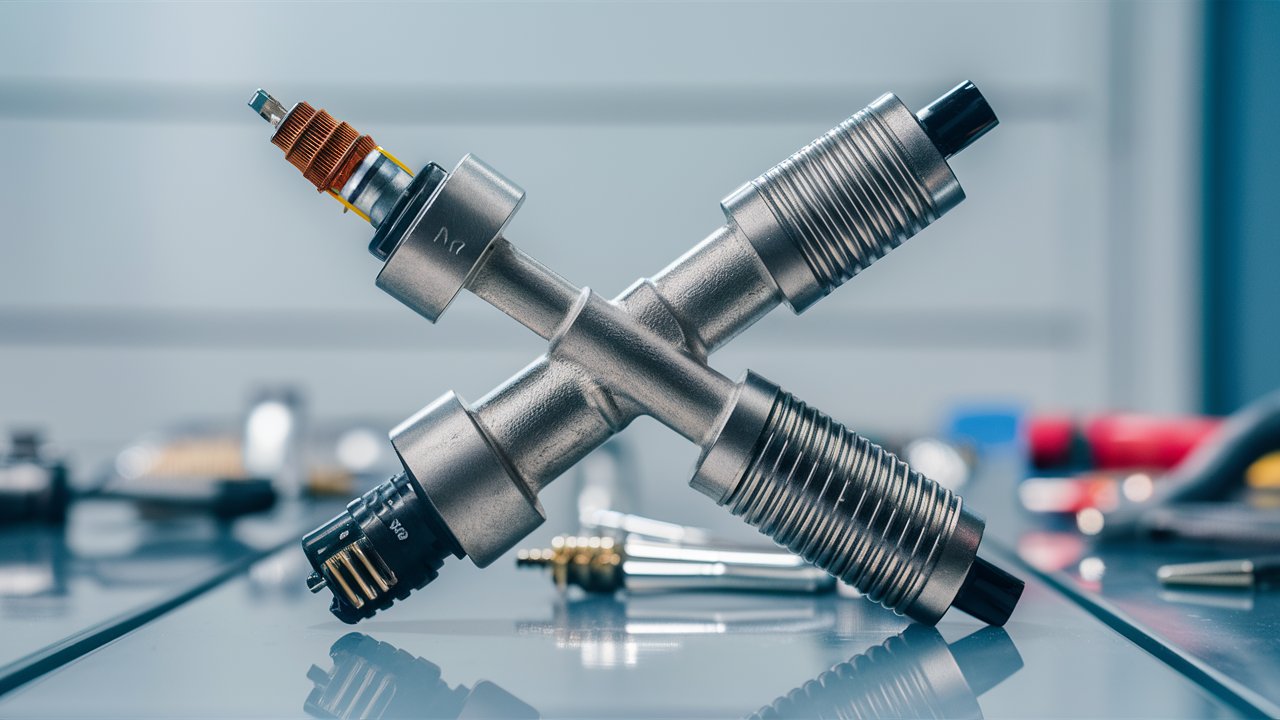
Using a spark plug gap tool is a straightforward process, but precision is key. Begin by checking the manufacturer’s recommended gap specification, usually found in the vehicle’s manual or on the engine label. Insert the appropriate measuring section of the gap tool between the electrodes of the spark plug. If the tool fits snugly, the gap is correct. If it’s too tight or too loose, adjustment is needed. To widen the gap, gently bend the ground electrode outward using the tool’s built-in slot or lever. To narrow the gap, press the electrode inward slightly. Avoid applying pressure to the center electrode, as it can damage the plug. After adjustment, recheck the gap to ensure accuracy. Repeat the process for all spark plugs before installation.
Common Mistakes When Gapping Spark Plugs
Many users make simple but costly mistakes when adjusting spark plug gaps. One common error is using excessive force, which can damage the delicate electrodes or ceramic insulator. Another mistake is failing to recheck the gap after adjustment, leading to inconsistent measurements. Some people also use improper tools, such as screwdrivers or pliers, which can distort the electrodes and compromise performance. Additionally, neglecting to clean the spark plug before measuring can result in inaccurate readings due to debris buildup. Always use a proper spark plug gap tool, handle the plug carefully, and double-check the measurement to ensure precision.
Maintenance and Care of Spark Plug Gap Tools
Although spark plug gap tools are durable, proper maintenance ensures long-term accuracy. After each use, wipe the tool clean to remove dirt, oil, or carbon residue. Store it in a dry place to prevent rust or corrosion, especially if it’s made of metal. Avoid dropping or bending the tool, as even minor damage can affect measurement accuracy. For wire and feeler gauges, periodically check for wear or deformation and replace them if necessary. Keeping the tool in good condition guarantees reliable readings and consistent engine performance every time it’s used.
Conclusion
A spark plug gap tool is a small but powerful instrument that plays a crucial role in maintaining engine performance and efficiency. By ensuring the correct gap between the electrodes, it helps achieve optimal combustion, smoother acceleration, and better fuel economy. Whether for professional mechanics or DIY enthusiasts, understanding how to use and maintain a spark plug gap tool is essential for proper engine care. Investing in a quality tool and using it correctly can prevent costly repairs, extend spark plug life, and keep any engine running at its best.
Frequently Asked Questions
1. What is the correct spark plug gap for my vehicle?
The correct spark plug gap varies depending on the vehicle and engine type. Always refer to the manufacturer’s specifications found in the owner’s manual or on the engine label.
2. Can I use any spark plug gap tool?
Yes, most spark plug gap tools work universally, but precision tools like wire or feeler gauges are recommended for accurate measurements.
3. What happens if the spark plug gap is too wide or too narrow?
A gap that’s too wide can cause misfires and poor ignition, while a gap that’s too narrow can lead to weak sparks and incomplete combustion, reducing engine performance.
4. How often should I check the spark plug gap?
It’s best to check the gap whenever installing new spark plugs or performing routine maintenance, especially if the engine shows signs of misfiring or rough idling.
5. Can I adjust iridium or platinum spark plugs?
Yes, but with caution. These plugs have delicate electrodes that can easily be damaged. Use a precise gap tool and apply minimal pressure when adjusting.
