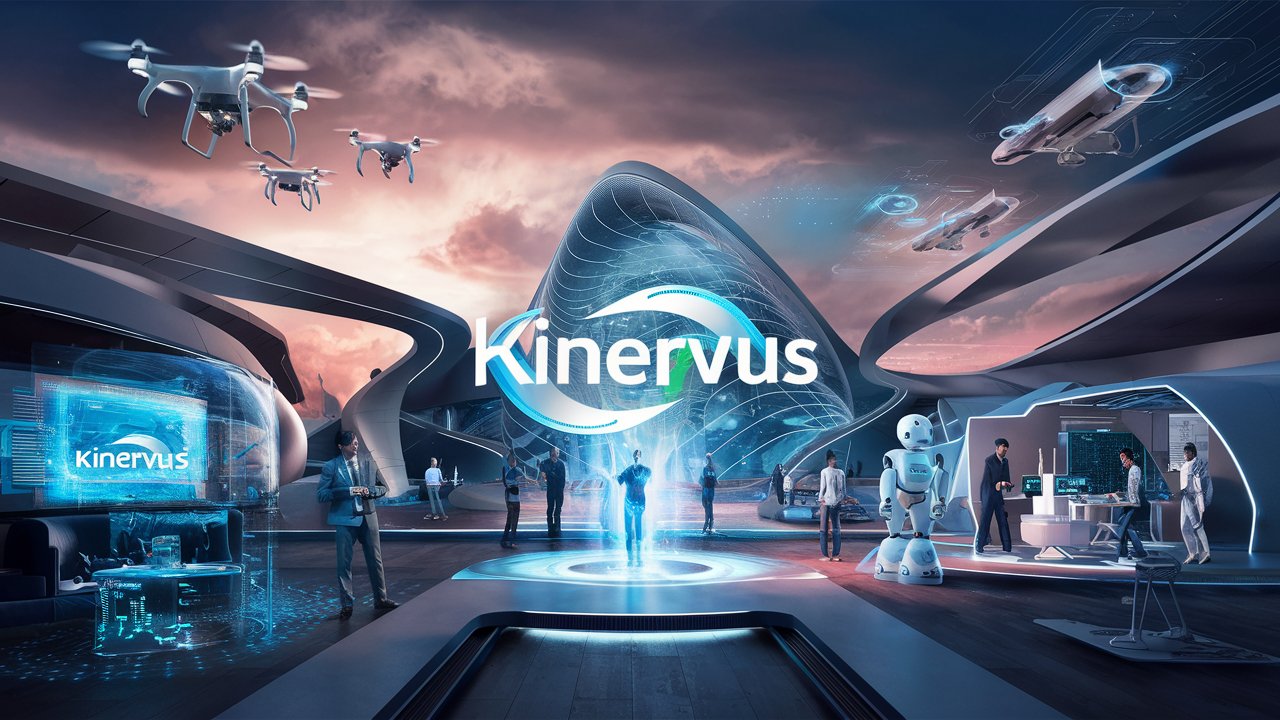
The term Kinervus has recently emerged as a symbol of innovation, intelligence, and digital transformation in the modern technological landscape. Representing the fusion of advanced computing, artificial intelligence, and human-centered design is redefining how technology interacts with people and businesses. It embodies the next generation of smart systems that learn, adapt, and evolve to meet the growing demands of a connected world. As industries continue to embrace automation, data analytics, and AI-driven solutions, Kinervus stands at the forefront of this revolution, offering a glimpse into the future of intelligent technology. This article explores the meaning of its applications, benefits, and how it is shaping the digital era.
1. What Is Kinervus?
Kinervus can be described as a conceptual framework or technological ecosystem that integrates artificial intelligence, machine learning, and automation to create intelligent, adaptive systems. The name itself suggests energy, motion, and intelligence—qualities that define the essence of modern digital transformation. represents a shift from static, rule-based systems to dynamic, self-learning technologies capable of understanding context, predicting outcomes, and optimizing performance. It is not limited to a single industry but serves as a foundation for innovation across multiple sectors, including healthcare, finance, education, and manufacturing.
2. The Core Philosophy Behind Kinervus
At its core, Kinervus is built on the philosophy of intelligent evolution. It emphasizes the idea that technology should not only perform tasks but also learn from them, improving continuously through data and experience. This philosophy aligns with the principles of artificial intelligence and cognitive computing, where systems mimic human thought processes to make informed decisions. Kinervus promotes the seamless integration of human creativity and machine intelligence, ensuring that technology enhances rather than replaces human potential. It focuses on creating harmony between automation and empathy, efficiency and ethics, innovation and responsibility.
3. The Role of Artificial Intelligence in Kinervus
Artificial intelligence is the driving force behind enabling machines to process information, recognize patterns, and make intelligent decisions. Through AI algorithms and neural networks systems can analyze vast amounts of data in real time, providing insights that were once impossible to achieve manually. Machine learning allows these systems to adapt to new information, improving accuracy and performance over time. In practical terms, AI within Kinervus can be applied to predictive analytics, natural language processing, image recognition, and autonomous decision-making. This integration of AI ensures that remains at the cutting edge of technological advancement.
4. Applications of Kinervus Across Industries
The versatility of makes it applicable across a wide range of industries. In healthcare, Kinervus-powered systems can analyze patient data to predict diseases, recommend treatments, and improve diagnostic accuracy. In finance, it can detect fraudulent transactions, automate trading, and enhance customer service through intelligent chatbots. The education sector benefits from personalized learning platforms that adapt to each student’s pace and style. In manufacturing, Kinervus enables predictive maintenance, optimizing production efficiency and reducing downtime. Even in creative industries can assist in content generation, design optimization, and audience analysis, proving that its potential is virtually limitless.
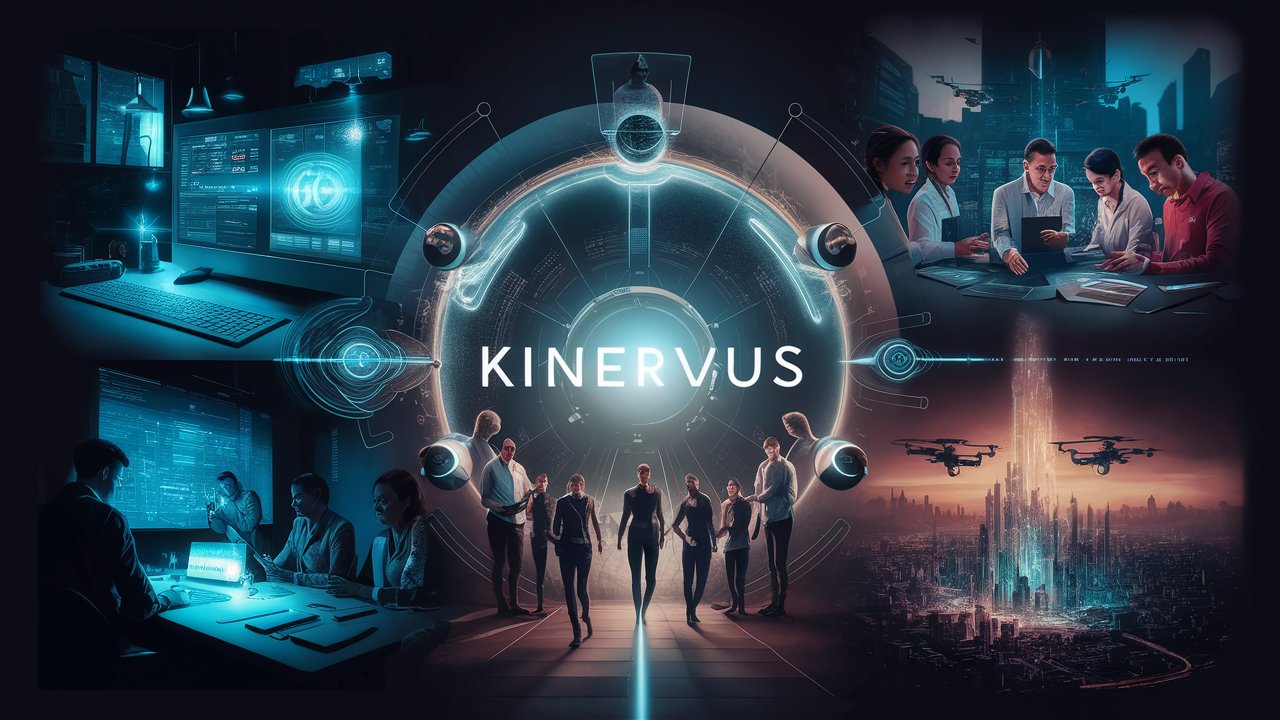
5. The Benefits of Adopting Kinervus Technology
The adoption of offers numerous benefits for businesses and individuals alike. One of the most significant advantages is efficiency—automating repetitive tasks allows organizations to focus on strategic growth and innovation. Kinervus also enhances decision-making by providing data-driven insights that improve accuracy and reduce risks. Its adaptive nature ensures scalability, allowing systems to evolve alongside business needs. Moreover, Kinervus promotes sustainability by optimizing resource usage and minimizing waste. For individuals, it creates smarter, more personalized experiences, from intelligent home systems to customized digital services. The combination of speed, intelligence, and adaptability makes a cornerstone of the digital future.
6. The Future of Kinervus in the Digital Age
The future of Kinervus lies in its ability to evolve with emerging technologies such as quantum computing, blockchain, and the Internet of Things (IoT). As these technologies mature will become even more powerful, enabling seamless connectivity and real-time intelligence across global networks. The next generation of Kinervus systems will likely focus on ethical AI, ensuring transparency, fairness, and accountability in automated decision-making. Additionally, as cybersecurity threats continue to grow will play a vital role in developing self-defending systems capable of detecting and neutralizing risks autonomously. The digital age will be defined by intelligent ecosystems like Kinervus that combine innovation with responsibility.
7. How Businesses Can Implement Kinervus Strategies
For organizations looking to embrace, the first step is to develop a clear digital transformation strategy. This involves assessing current processes, identifying areas for automation, and investing in AI-driven technologies. Businesses should also focus on data integration, as relies heavily on accurate and comprehensive data to function effectively. Collaboration between IT teams, data scientists, and business leaders is essential to ensure successful implementation. Training employees to work alongside intelligent systems will further enhance productivity and innovation. By adopting a Kinervus mindset—one that values adaptability, intelligence, and continuous improvement—companies can position themselves as leaders in the digital economy.
Conclusion
Kinervus represents the dawn of a new era in technology—one where intelligence, adaptability, and innovation converge to create smarter, more efficient systems. It is not just a technological concept but a vision for the future of human-machine collaboration. As industries continue to evolve will serve as the foundation for digital transformation, driving progress across every sector. Its emphasis on learning, ethics, and sustainability ensures that technology remains a force for good, empowering people and organizations to achieve more than ever before. The future belongs to those who embrace and harness its potential to shape a smarter, more connected world.
Frequently Asked Questions (FAQ)
1. What is Kinervus?
Kinervus is a concept that integrates artificial intelligence, machine learning, and automation to create intelligent, adaptive systems that drive digital transformation.
2. How does Kinervus differ from traditional technology?
Unlike traditional systems that follow fixed rules uses AI and data analytics to learn, adapt, and improve continuously, making it more dynamic and efficient.
3. What industries can benefit from Kinervus?
Kinervus can be applied in healthcare, finance, education, manufacturing, and creative industries to enhance efficiency, accuracy, and innovation.
4. What are the main benefits of Kinervus?
Key benefits include automation, improved decision-making, scalability, sustainability, and personalized user experiences.
5. Is Kinervus related to artificial intelligence?
Yes, AI is the core component of enabling systems to process data, recognize patterns, and make intelligent decisions autonomously.
6. How can businesses implement Kinervus?
Businesses can implement by adopting AI-driven tools, integrating data systems, training employees, and fostering a culture of innovation and adaptability.
7. What is the future of Kinervus?
The future of lies in its integration with emerging technologies like quantum computing and IoT, creating intelligent ecosystems that redefine the digital world.
