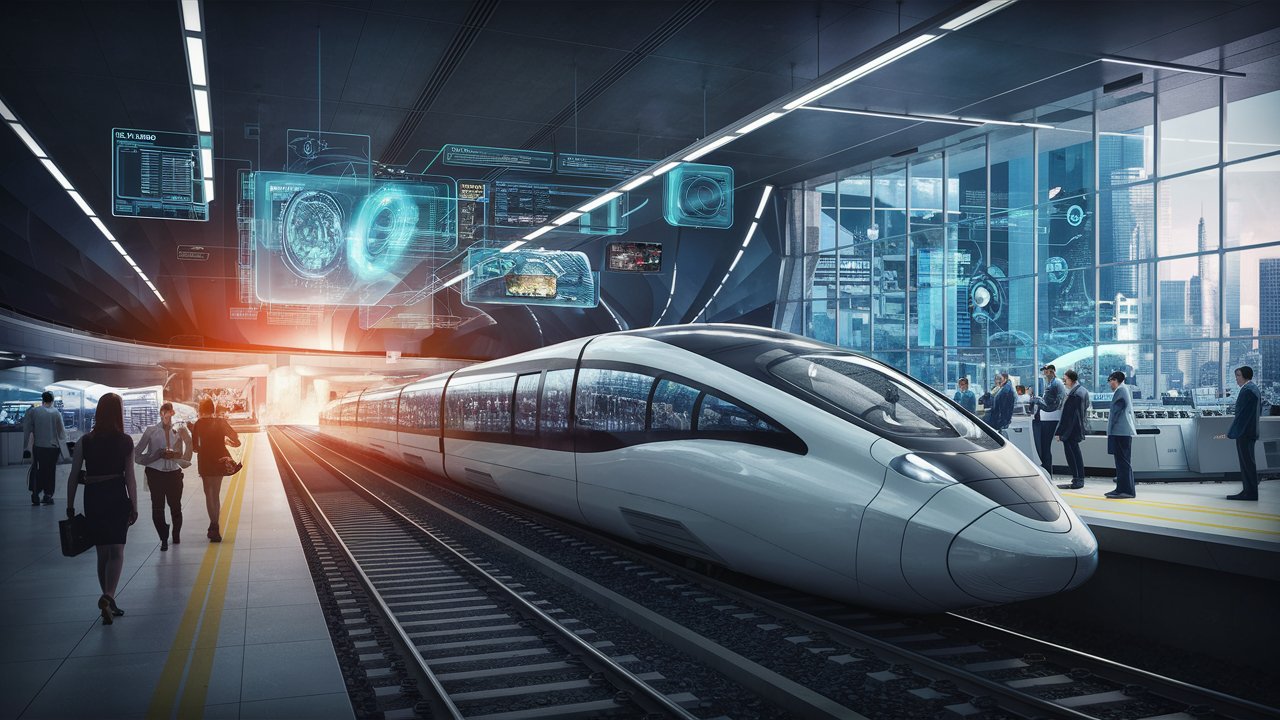
The railway industry is undergoing a major transformation, driven by technological advancements, sustainability goals, and the need for efficient transportation systems has emerged as a comprehensive approach to addressing the complex challenges of modern rail networks. It encompasses everything from infrastructure development and maintenance to safety management, signaling systems, and digital innovation. As global demand for reliable and eco-friendly transportation continues to grow, Total Rail Solutions provides the framework for building smarter, safer, and more sustainable rail systems.
1. What Are Total Rail Solutions?
Total Rail Solutions refers to an integrated approach that combines engineering, technology, and operational expertise to deliver end-to-end services for the railway sector. It includes the design, construction, maintenance, and modernization of rail infrastructure, as well as the implementation of advanced signaling, communication, and safety systems. The goal of is to create a seamless and efficient railway network that meets the needs of passengers, freight operators, and governments. By integrating multiple disciplines under one framework, this approach ensures that every aspect of the railway system functions harmoniously, reducing downtime, improving safety, and optimizing performance.
2. The Importance of Total Rail Solutions in Modern Transportation
In today’s fast-paced world, transportation systems must be efficient, sustainable, and adaptable plays a crucial role in achieving these objectives by providing a holistic approach to railway management. Railways are the backbone of many national economies, facilitating trade, commuting, and tourism. However, aging infrastructure, increasing demand, and environmental concerns have created new challenges addresses these issues by combining innovation with strategic planning. It ensures that rail networks remain reliable, cost-effective, and environmentally responsible, supporting the global shift toward greener and smarter transportation systems.
3. Key Components of Total Rail Solutions
The success of Total Rail Solutions lies in its comprehensive structure, which integrates several key components:
- Infrastructure Development: This includes track construction, bridge building, and station modernization to enhance capacity and efficiency.
- Signaling and Communication Systems: Advanced signaling technologies such as ETCS (European Train Control System) and CBTC (Communications-Based Train Control) improve safety and reduce human error.
- Maintenance and Asset Management: Predictive maintenance powered by data analytics ensures that rail assets remain in optimal condition, minimizing disruptions.
- Safety and Compliance: Total Rail Solutions prioritize safety through rigorous standards, training, and real-time monitoring systems.
- Sustainability Initiatives: The integration of renewable energy, electrification, and eco-friendly materials supports environmental goals.
- Digital Transformation: The use of artificial intelligence, IoT, and automation enhances operational efficiency and passenger experience.
Each of these components works together to create a unified system that delivers long-term value and reliability.
4. The Role of Technology in Total Rail Solutions
Technology is the driving force behind enabling smarter and more efficient railway operations. Digital tools such as predictive analytics, artificial intelligence, and the Internet of Things (IoT) are revolutionizing how rail networks are managed. Sensors installed along tracks and trains collect real-time data, allowing operators to detect potential issues before they escalate. Automation and robotics are being used for track inspections, reducing the need for manual labor and improving safety. Additionally, digital twins—virtual replicas of physical assets—allow engineers to simulate and optimize performance. These innovations not only enhance reliability but also reduce costs and environmental impact, making technology an essential pillar.
5. Sustainability and Environmental Impact
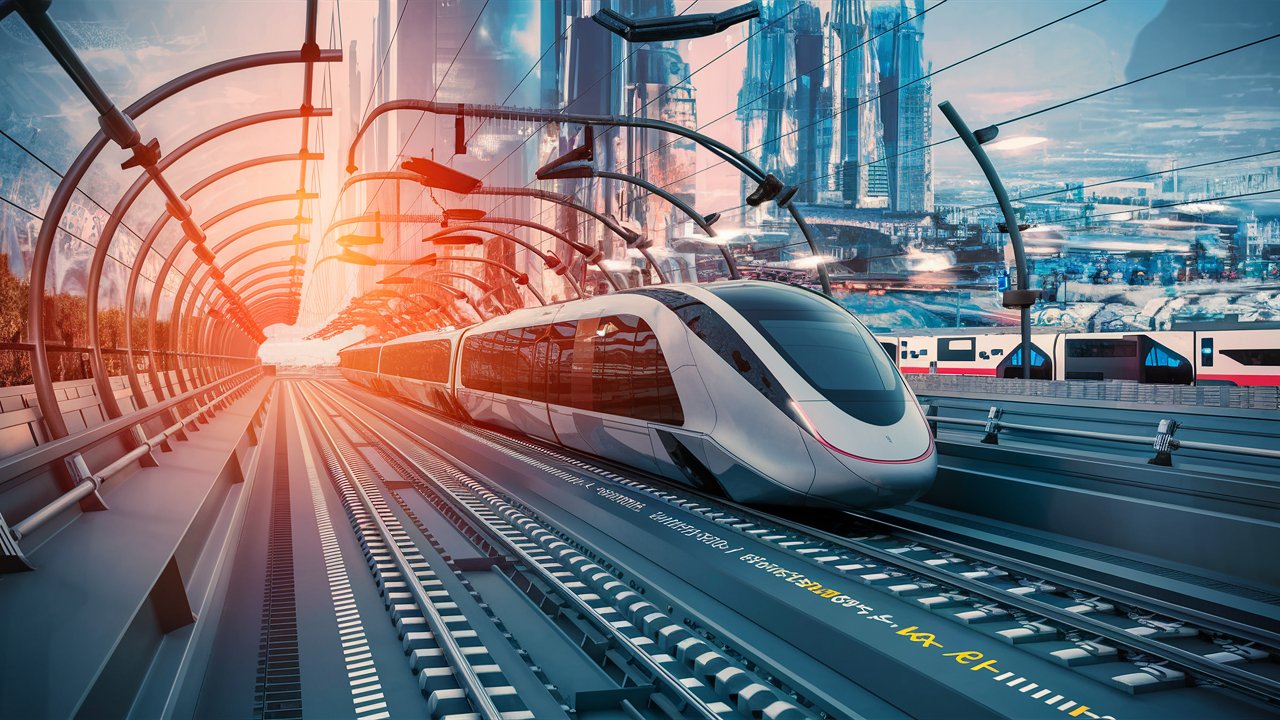
Sustainability is at the heart of aligning with global efforts to reduce carbon emissions and promote eco-friendly transportation. Railways are already one of the most energy-efficient modes of transport, but takes this further by integrating renewable energy sources, electrification, and energy-efficient technologies. The use of hybrid and hydrogen-powered trains is reducing dependence on fossil fuels, while smart energy management systems optimize power consumption. Sustainable construction practices, such as recycling materials and minimizing land disruption, also contribute to environmental preservation. By prioritizing sustainability ensures that rail networks support both economic growth and ecological balance.
6. Safety and Risk Management in Total Rail Solutions
Safety is a fundamental aspect ensuring that passengers, workers, and assets are protected at all times. Modern rail systems rely on advanced safety technologies such as automated signaling, real-time monitoring, and predictive maintenance to prevent accidents. Comprehensive training programs and strict compliance with international safety standards further enhance reliability. Risk management strategies are integrated into every stage of railway operations, from design to daily maintenance. By combining technology with human expertise creates a proactive safety culture that minimizes risks and ensures smooth, uninterrupted service.
7. The Economic and Social Benefits of Total Rail Solutions
The implementation of brings significant economic and social benefits. Efficient rail networks reduce travel time, lower transportation costs, and boost trade and tourism. They also create employment opportunities in engineering, construction, and technology sectors. On a social level, improved rail connectivity enhances accessibility, linking urban and rural areas and promoting regional development. Environmentally, the shift toward sustainable rail systems reduces pollution and supports climate goals. By investing in governments and private companies contribute to long-term economic stability and social progress.
8. The Future of Total Rail Solutions
The future of is defined by innovation, sustainability, and digital transformation. As global transportation demands continue to evolve, rail systems will become increasingly interconnected, autonomous, and intelligent. The integration of artificial intelligence, 5G connectivity, and smart infrastructure will enable real-time decision-making and predictive operations. Future rail networks will also focus on passenger experience, offering seamless travel through digital ticketing, personalized services, and enhanced comfort. With continued investment and collaboration, Total Rail Solutions will play a pivotal role in shaping the next generation of sustainable and efficient transportation systems worldwide.
Conclusion
Represents the future of railway innovation, combining technology, sustainability, and safety into a unified framework. It is more than just an operational strategy—it is a vision for smarter, greener, and more connected transportation. By integrating advanced technologies, sustainable practices, and intelligent management systems, Total Rail Solutions ensures that railways remain a vital part of global infrastructure. As the world moves toward a more digital and eco-conscious future will continue to lead the way, transforming how people and goods move across the planet.
Frequently Asked Questions (FAQ)
1. What does Total Rail Solutions mean?
Total Rail Solutions refers to a comprehensive approach that integrates engineering, technology, and management to deliver complete railway infrastructure and operational services.
2. Why are Total Rail Solutions important?
They ensure efficiency, safety, and sustainability in railway operations by combining advanced technology with strategic planning and maintenance.
3. What technologies are used in Total Rail Solutions?
Technologies such as artificial intelligence, IoT, predictive analytics, automation, and digital twins are key components of modern.
4. How do Total Rail Solutions improve safety?
They use automated signaling, real-time monitoring, and predictive maintenance to prevent accidents and ensure compliance with safety standards.
5. Are Total Rail Solutions environmentally friendly?
Yes, they promote sustainability through electrification, renewable energy integration, and eco-friendly construction practices.
6. What industries benefit from Total Rail Solutions?
Railway operators, logistics companies, construction firms, and government transportation agencies all benefit from implementing.
7. What is the future of Total Rail Solutions?
The future lies in digital transformation, automation, and sustainability, with smart rail networks powered by AI, 5G, and renewable energy leading the next phase of global transportation.
