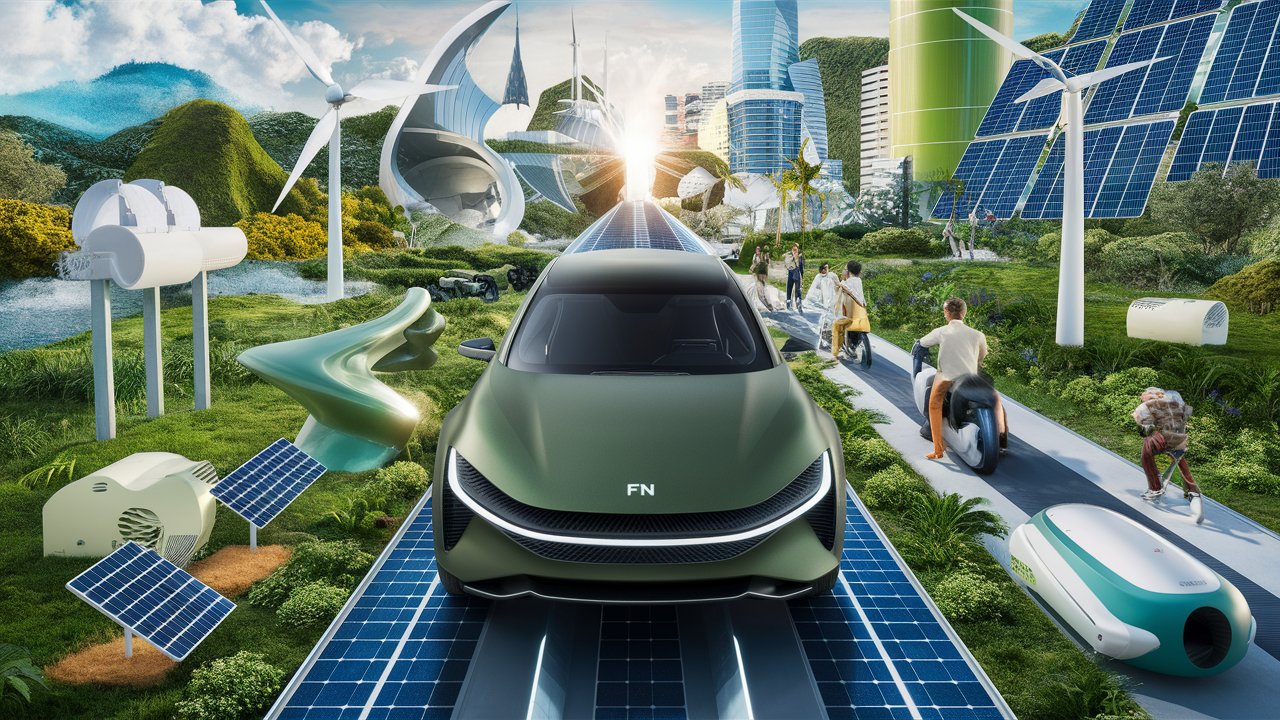
In an era where environmental sustainability has become a global priority, the concept of Green FN is emerging as a powerful symbol of eco-friendly innovation and responsible technology. Green FN represents a movement toward integrating green practices into modern industries, focusing on reducing carbon footprints, promoting renewable energy, and developing sustainable solutions for the future. As businesses and individuals become more conscious of their environmental impact, Green FN serves as a bridge between technology and sustainability, driving progress toward a cleaner, greener planet.
Understanding Green FN
Green FN is a term that encompasses the integration of environmentally friendly technologies, sustainable business models, and eco-conscious innovations. It represents a shift from traditional industrial practices toward methods that prioritize environmental health and resource efficiency. The “FN” in can stand for “Future Network,” “Functional Nature,” or “Forward Now,” depending on the context, but the underlying principle remains the same—advancing sustainability through innovation initiatives often include renewable energy adoption, waste reduction, sustainable manufacturing, and the use of biodegradable materials. By combining technology with environmental responsibility, aims to create a balance between progress and preservation.
The Importance of Green FN in Modern Society
The growing concern over climate change, pollution, and resource depletion has made sustainability a global necessity plays a crucial role in addressing these challenges by promoting cleaner production methods and reducing environmental impact. Governments, corporations, and consumers are increasingly adopting green technologies to meet sustainability goals and comply with environmental regulations encourages industries to rethink their operations, from energy consumption to waste management, ensuring that every process contributes to a healthier planet. Moreover, it fosters innovation by inspiring the development of new technologies that are both efficient and eco-friendly.
Applications of Green FN Across Industries
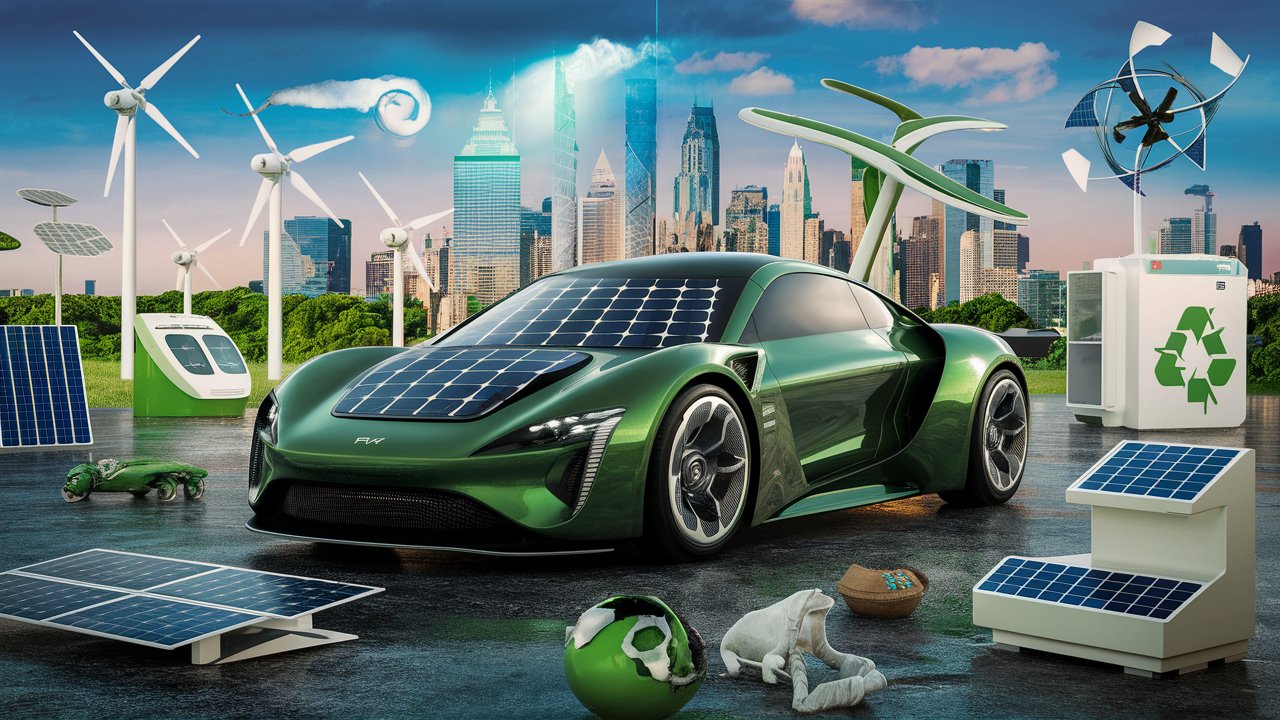
Green FN is not limited to a single sector—it spans across multiple industries, each benefiting from sustainable transformation. In the energy sector promotes the use of solar, wind, and hydroelectric power to replace fossil fuels. In manufacturing, it encourages the adoption of circular economy principles, where materials are reused and recycled to minimize waste. The automotive industry is embracing through the production of electric vehicles and the development of sustainable transportation systems. In construction, eco-friendly materials and energy-efficient designs are becoming standard practices. Even the technology sector is contributing by developing energy-efficient devices and data centers powered by renewable energy.
Benefits of Green FN
The benefits of extend beyond environmental preservation. Economically, it reduces operational costs by improving energy efficiency and minimizing waste. Socially, it enhances brand reputation and attracts environmentally conscious consumers. Environmentally, it reduces greenhouse gas emissions, conserves natural resources, and promotes biodiversity also drives innovation, as companies invest in research and development to create sustainable alternatives to traditional products and processes. By adopting principles, businesses can achieve long-term growth while contributing to global sustainability goals.
Challenges in Implementing Green FN
Despite its numerous advantages, implementing comes with challenges. The initial cost of adopting green technologies can be high, making it difficult for small businesses to transition. Additionally, there is often a lack of awareness and expertise in sustainable practices, which can hinder progress. Regulatory barriers and inconsistent environmental policies across regions also pose challenges. However, as technology advances and public awareness grows, these obstacles are gradually being overcome. Governments and organizations are offering incentives, grants, and training programs to encourage the adoption of practices.
The Future of Green FN
The future of looks promising as more industries and governments commit to sustainability. Emerging technologies such as artificial intelligence, blockchain, and the Internet of Things (IoT) are being integrated into green initiatives to enhance efficiency and transparency. Smart grids, sustainable agriculture, and green urban planning are becoming key components of future development. As global awareness of environmental issues continues to rise will play a central role in shaping policies, driving innovation, and creating a sustainable global economy. The ultimate goal is to achieve a carbon-neutral world where economic growth and environmental protection coexist harmoniously.
Conclusion
Green FN represents a transformative approach to sustainability, combining innovation, technology, and environmental responsibility. It is not just a trend but a necessary evolution in how societies and industries operate. By embracing principles, businesses and individuals can contribute to a cleaner, healthier, and more sustainable planet. The journey toward a green future requires collective effort, continuous innovation, and a commitment to change. As the world moves forward will remain at the forefront of this transformation, guiding humanity toward a future where progress and preservation go hand in hand.
Frequently Asked Questions (FAQ)
1. What is Green FN?
Green FN refers to the integration of sustainable technologies and eco-friendly practices aimed at reducing environmental impact and promoting long-term sustainability.
2. What does FN stand for in Green FN?
FN can stand for “Future Network,” “Functional Nature,” or “Forward Now,” depending on the context, but all interpretations emphasize sustainability and innovation.
3. Why is Green FN important?
Green FN is important because it helps combat climate change, reduces pollution, conserves resources, and promotes sustainable economic growth.
4. How does Green FN benefit businesses?
Businesses benefit from through cost savings, improved brand reputation, compliance with environmental regulations, and access to new markets.
5. Which industries use Green FN practices?
Industries such as energy, manufacturing, transportation, construction, and technology are leading adopters of Green FN practices.
6. What are some examples of Green FN technologies?
Examples include renewable energy systems, electric vehicles, biodegradable materials, smart grids, and energy-efficient devices.
7. What challenges does Green FN face?
Challenges include high initial costs, lack of awareness, limited access to green technology, and inconsistent environmental policies.
8. How can individuals support Green FN?
Individuals can support by adopting sustainable habits, using renewable energy, reducing waste, and supporting eco-friendly brands.
9. What role does technology play in Green FN?
Technology drives by enabling innovation, improving efficiency, and providing tools for monitoring and reducing environmental impact.
10. What is the future outlook for Green FN?
The future of is bright, with increasing global commitment to sustainability, technological advancements, and widespread adoption of green practices.
