The term back casting room has gained attention in various industries, particularly in film production, photography, and even in strategic planning. While the phrase may sound technical, it refers to a space or process designed for preparation, evaluation, and refinement before the main event or production takes place. In the entertainment industry, a back casting room is often used for auditions, rehearsals, or behind-the-scenes coordination. In business and planning contexts, back casting refers to a method of envisioning a desired future and working backward to identify the steps needed to achieve it.
1. What Is a Back Casting Room?
A back casting room can be defined in two main ways depending on the context. In the creative industry, it is a dedicated space where casting directors, producers, and actors collaborate to evaluate performances, conduct auditions, and make casting decisions. It serves as a controlled environment for reviewing footage, analyzing talent, and refining casting choices before final production begins. In strategic planning, the term “back casting” refers to a method of planning backward from a desired future state. A in this sense is a collaborative space where teams brainstorm, analyze data, and design strategies to achieve long-term goals. Both interpretations share a common purpose: preparation, reflection, and informed decision-making.
2. The Role of a Back Casting Room in Film and Media Production
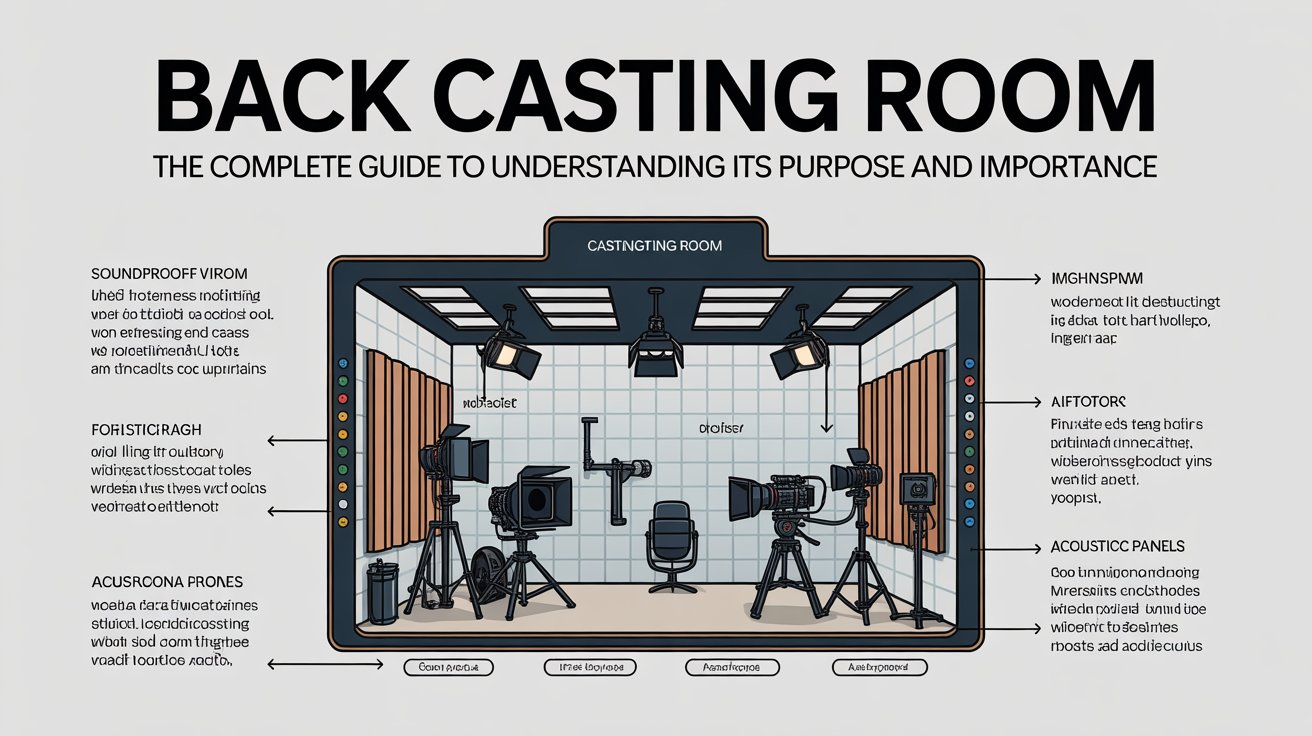
In film and television, the back casting room plays a crucial role in shaping the final outcome of a project. It is where casting directors review audition tapes, discuss character suitability, and make final selections. The room is often equipped with recording equipment, lighting setups, and playback monitors to ensure that every performance is evaluated accurately. Producers and directors use this space to compare different actors’ interpretations of a role, ensuring that the chosen cast aligns with the creative vision of the project. The also serves as a confidential environment where sensitive casting decisions can be made without external pressure.
3. Back Casting Room in Strategic Planning and Business Development
Beyond the entertainment industry, the concept of a back casting room is widely used in business and sustainability planning. In this context, back casting is a strategic approach that starts with defining a desired future outcome and then works backward to identify the steps required to reach it. A back casting room becomes a collaborative workspace where teams engage in scenario planning, data analysis, and goal setting. This method contrasts with forecasting, which projects current trends into the future. By focusing on the end goal first, organizations can develop innovative strategies that align with long-term visions rather than short-term trends.
4. Key Features of an Effective Back Casting Room
An effective back casting room—whether physical or virtual—should be designed to foster creativity, collaboration, and critical thinking. In film production, this means having high-quality audiovisual equipment, comfortable seating, and soundproofing to ensure focus and privacy. In business settings, a back casting room should include whiteboards, digital collaboration tools, and data visualization systems to support brainstorming and analysis. The environment should encourage open communication and idea sharing, allowing participants to explore multiple scenarios and solutions. The goal is to create a space where decisions are made based on insight, evidence, and shared vision.
5. Benefits of Using a Back Casting Room
The back casting room offers numerous benefits across different fields. In film production, it streamlines the casting process, reduces errors, and ensures that the best talent is selected for each role. It also allows directors to visualize how different actors will interact on screen before filming begins. In strategic planning, back casting rooms help organizations align their actions with long-term sustainability goals, identify potential obstacles, and develop innovative solutions. The process encourages forward-thinking and collaboration, leading to more resilient and adaptable strategies. Ultimately, the serves as a bridge between vision and execution.
6. How to Set Up a Back Casting Room
Setting up a back casting room requires careful planning and attention to detail. For film and media professionals, the room should include high-definition cameras, lighting equipment, playback monitors, and comfortable seating for casting directors and producers. The layout should allow for easy movement and clear sightlines between actors and evaluators. For business teams, a can be a physical meeting space or a virtual collaboration platform equipped with project management tools, data dashboards, and brainstorming software. The key is to create an environment that supports focus, creativity, and effective communication.
7. The Difference Between Forecasting and Back Casting
Understanding the difference between forecasting and back casting is essential when discussing the back casting room concept. Forecasting involves predicting future outcomes based on current trends and data, while back casting starts with a desired future and works backward to determine the necessary steps to achieve it. In a back casting room, participants envision the ideal scenario—such as a sustainable business model or a successful film project—and then identify the milestones required to reach that goal. This approach encourages innovation and long-term thinking, making it particularly valuable in industries that face rapid change or uncertainty.
8. The Future of Back Casting Rooms in Digital and Hybrid Environments
As technology continues to evolve, the is becoming increasingly digital. Virtual collaboration tools, cloud-based storage, and video conferencing platforms allow teams to conduct casting sessions or strategic planning meetings remotely. In the entertainment industry, digital casting rooms enable global talent searches and remote auditions, expanding opportunities for both actors and producers. In business, virtual back casting room facilitate cross-border collaboration and real-time data analysis. The integration of artificial intelligence and predictive analytics further enhances the back casting process, allowing for more accurate scenario modeling and decision-making.
Conclusion
The back casting room is more than just a physical space—it is a concept that embodies preparation, reflection, and strategic foresight. Whether used in film production to select the perfect cast or in business planning to design a sustainable future, the plays a vital role in achieving success. By combining creativity with analytical thinking, it helps individuals and organizations make informed decisions that align with their long-term goals. As industries continue to evolve, the will remain an essential tool for innovation, collaboration, and visionary planning.
Frequently Asked Questions (FAQ)
1. What is a back casting room?
A back casting room is a space or process used for preparation and evaluation, commonly found in film production for casting decisions or in business planning for strategic development.
2. How is a back casting room used in the film industry?
In film production, it is used to review auditions, analyze performances, and make casting decisions before filming begins.
3. What does back casting mean in business?
Back casting in business refers to planning backward from a desired future goal to identify the steps needed to achieve it.
4. What are the benefits of using a back casting room?
It enhances decision-making, fosters collaboration, improves efficiency, and ensures that actions align with long-term objectives.
5. How can a company create a back casting room?
A company can set up a by providing collaborative tools, data visualization systems, and a creative environment that supports brainstorming and strategic planning.
6. What is the difference between forecasting and back casting?
Forecasting predicts future outcomes based on current trends, while back casting starts with a desired future and works backward to determine the necessary steps to reach it.
7. Can a back casting room be virtual?
Yes, many organizations now use virtual with digital collaboration tools, allowing remote teams to plan and strategize effectively.
