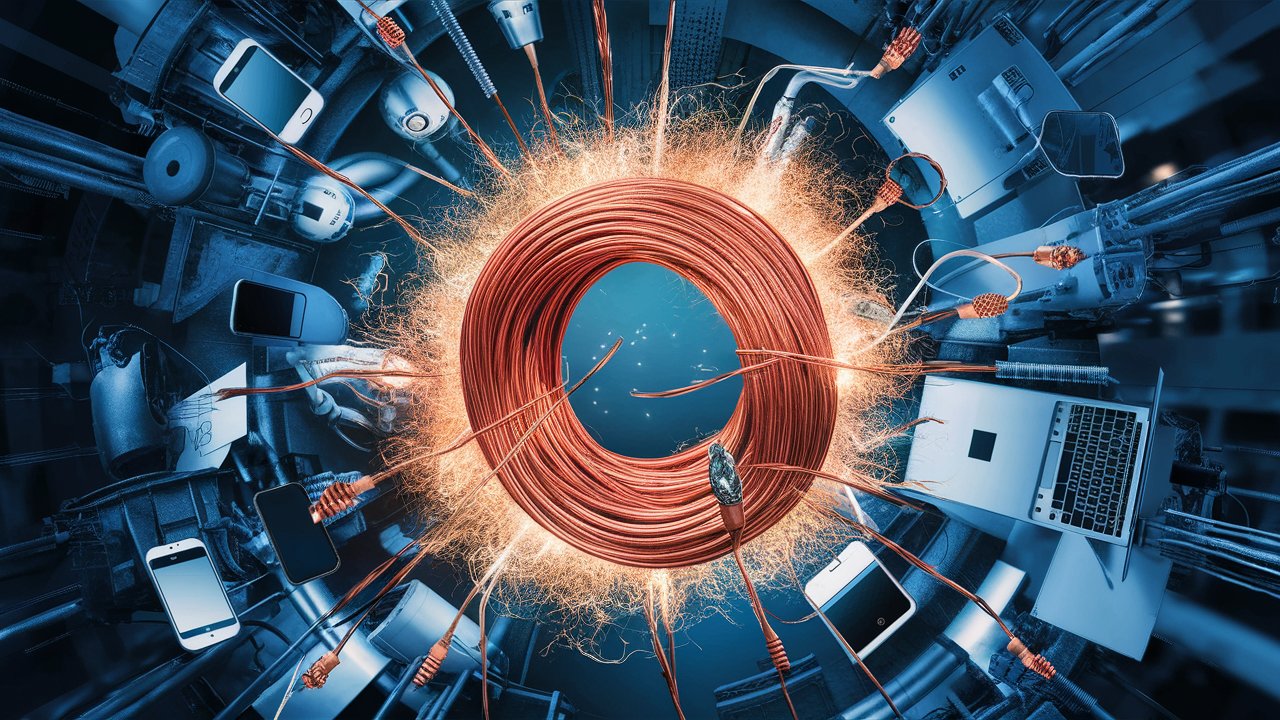
Copper wire is one of the most important materials in the modern world, serving as the backbone of electrical systems, telecommunications, and industrial manufacturing. Known for its exceptional electrical conductivity, durability, and versatility, copper wire has been a cornerstone of technological progress for over a century. From powering homes and factories to enabling data transmission and renewable energy systems, copper wire plays a vital role in nearly every aspect of daily life. As industries continue to evolve and demand for efficient energy solutions grows, understanding the properties, types, and applications of copper wire becomes essential for engineers, electricians, and consumers alike.
1. What Is Copper Wire?
Copper wire is a type of electrical conductor made from copper metal, which is drawn into thin strands or solid forms to transmit electricity and signals. Copper’s high conductivity allows it to carry electrical current with minimal resistance, making it the preferred material for wiring in residential, commercial, and industrial applications. It is also highly ductile, meaning it can be stretched into fine wires without breaking, and resistant to corrosion, ensuring long-term reliability. Copper wire is used in everything from household wiring and power transmission lines to electronic devices and communication systems, making it one of the most versatile materials in the electrical industry.
2. Properties That Make Copper Wire Ideal for Electrical Applications
The unique properties of copper wire make it the most widely used conductor in electrical and electronic systems. Copper has a high electrical conductivity, second only to silver, but it is far more affordable and easier to work with. It also has excellent thermal conductivity, which helps dissipate heat efficiently in electrical circuits. Copper’s tensile strength and flexibility allow it to withstand bending and twisting during installation without breaking. Additionally, its resistance to oxidation and corrosion ensures that copper wire maintains its performance even in harsh environments. These combined properties make copper wire the ideal choice for safe, efficient, and long-lasting electrical systems.
3. Types of Copper Wire and Their Uses
There are several types of copper wire, each designed for specific applications based on structure, insulation, and performance requirements.
- Bare Copper Wire: Uninsulated and used for grounding and bonding applications.
- Tinned Copper Wire: Coated with a thin layer of tin to prevent oxidation, commonly used in marine and outdoor environments.
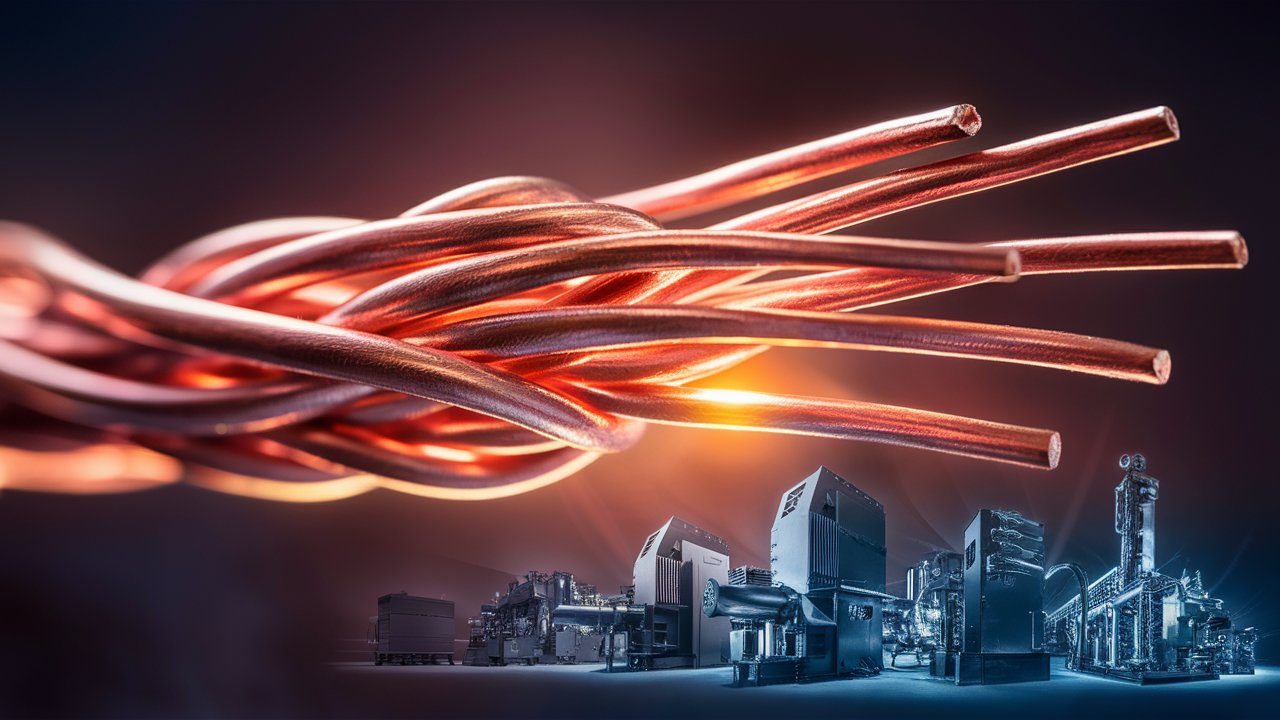
- Stranded Copper Wire: Made of multiple small strands twisted together, offering flexibility for use in machinery, vehicles, and robotics.
- Solid Copper Wire: A single, solid conductor ideal for permanent installations such as building wiring and electrical panels.
- Enameled Copper Wire: Coated with an insulating layer, primarily used in motors, transformers, and electromagnetic coils.
Each type of copper wire serves a unique purpose, ensuring optimal performance and safety in its respective application.
4. Copper Wire in Electrical and Power Systems
In electrical and power systems, copper wire is indispensable due to its ability to conduct electricity efficiently over long distances. In residential and commercial buildings, copper wiring powers lighting, appliances, and HVAC systems. Industrial facilities rely on copper conductors for heavy machinery, control systems, and automation equipment. The low resistance of copper minimizes energy loss, making it a cost-effective and environmentally friendly choice for electrical infrastructure. Its reliability and performance have made copper wire the global standard for safe and efficient power delivery.
5. Copper Wire in Telecommunications and Data Transmission
The telecommunications industry depends heavily on copper wire for signal transmission and connectivity. Copper’s ability to transmit electrical signals with minimal interference ensures clear communication and stable data transfer. Even with the rise of fiber optics, copper remains essential for last-mile connections and hybrid systems that combine traditional and modern technologies. Its durability, flexibility, and cost-effectiveness make copper wire a reliable choice for both residential and commercial communication networks.
6. Copper Wire in Renewable Energy and Electric Vehicles
As the world transitions toward sustainable energy, copper wire plays a critical role in renewable energy systems and electric vehicles (EVs). In solar power installations, copper wiring connects panels, inverters, and batteries, ensuring efficient energy transfer. Wind turbines use copper coils in their generators to convert mechanical energy into electricity. Electric vehicles rely on copper wiring for motors, batteries, and charging systems, as copper’s conductivity helps maximize energy efficiency and performance. The growing demand for clean energy and electric mobility continues to drive global copper consumption, making it a key material in the green energy revolution.
7. Manufacturing Process of Copper Wire
The manufacturing process of copper wire involves several stages to ensure high quality and performance. It begins with refining copper ore to produce pure copper cathodes, which are then melted and cast into rods. This meticulous process ensures that copper wire meets the stringent standards required for electrical and industrial use.
8. Advantages of Using Copper Wire Over Other Materials
When comparing materials, copper wire offers several advantages over alternatives like aluminum. Copper’s superior conductivity allows for smaller wire sizes to carry the same current, reducing space and material costs. It also has better mechanical strength, making it less prone to breakage or deformation. Copper’s resistance to corrosion and oxidation ensures long-term reliability, even in harsh environments. Unlike aluminum, copper does not expand or contract significantly with temperature changes, reducing the risk of loose connections. These advantages make copper wire the preferred choice for critical applications where safety, efficiency, and durability are paramount.
9. Recycling and Sustainability of Copper Wire
One of the most significant benefits of copper wire is its recyclability. Recycling copper reduces the need for mining, conserves natural resources, and lowers energy consumption compared to primary production. As global industries move toward sustainability, copper recycling plays a vital role in reducing environmental impact while meeting the growing demand for electrical materials.
10. The Future of Copper Wire Technology
The future of copper wire technology is being shaped by advancements in materials science, automation, and energy efficiency. Researchers are developing high-performance copper alloys and coatings to enhance conductivity and reduce energy loss. Smart grids, electric vehicles, and renewable energy systems are driving innovation in copper wire design and manufacturing. Additionally, the integration of nanotechnology and superconducting materials may further improve copper’s performance in next-generation electrical systems. As global energy needs continue to grow, copper wire will remain at the forefront of technological progress, powering the world’s transition to a smarter and more sustainable future.
Conclusion
Copper wire is the lifeline of modern civilization, enabling the flow of electricity, data, and innovation across industries. Its unmatched conductivity, durability, and versatility make it indispensable in electrical infrastructure, telecommunications, renewable energy, and manufacturing. As technology advances and sustainability becomes a global priority, copper’s role will only become more significant. From powering homes and industries to driving electric vehicles and supporting digital networks, copper wire continues to shape the foundation of progress. Investing in efficient copper systems and recycling initiatives ensures a future where technology and sustainability coexist harmoniously.
FAQs
1. What is copper wire used for?
Copper wire is used for electrical wiring, power transmission, telecommunications, electronics, and renewable energy systems due to its high conductivity and durability.
2. Why is copper preferred over other metals for wiring?
Copper is preferred because it offers superior electrical conductivity, flexibility, and corrosion resistance, ensuring efficient and long-lasting performance.
3. What are the main types of copper wire?
The main types include bare copper wire, tinned copper wire, stranded copper wire, solid copper wire, and enameled copper wire, each suited for specific applications.
4. Can copper wire be recycled?
Yes, copper wire is 100% recyclable without losing its properties, making it an environmentally friendly and sustainable material.
5. How does copper wire contribute to renewable energy?
Copper wire is used in solar panels, wind turbines, and electric vehicles to transmit power efficiently and reduce energy loss in renewable energy systems.
6. What is the difference between stranded and solid copper wire?
Stranded copper wire is flexible and used in applications requiring movement, while solid copper wire is rigid and ideal for permanent installations.
7. Is copper wire safe for all electrical installations?
Yes, copper wire is safe when properly installed according to electrical codes and standards, offering reliable performance and minimal risk of overheating.
8. What is the future of copper wire technology?
The future includes advancements in high-performance copper alloys, smart grid integration, and sustainable recycling practices to meet growing global energy demands.
