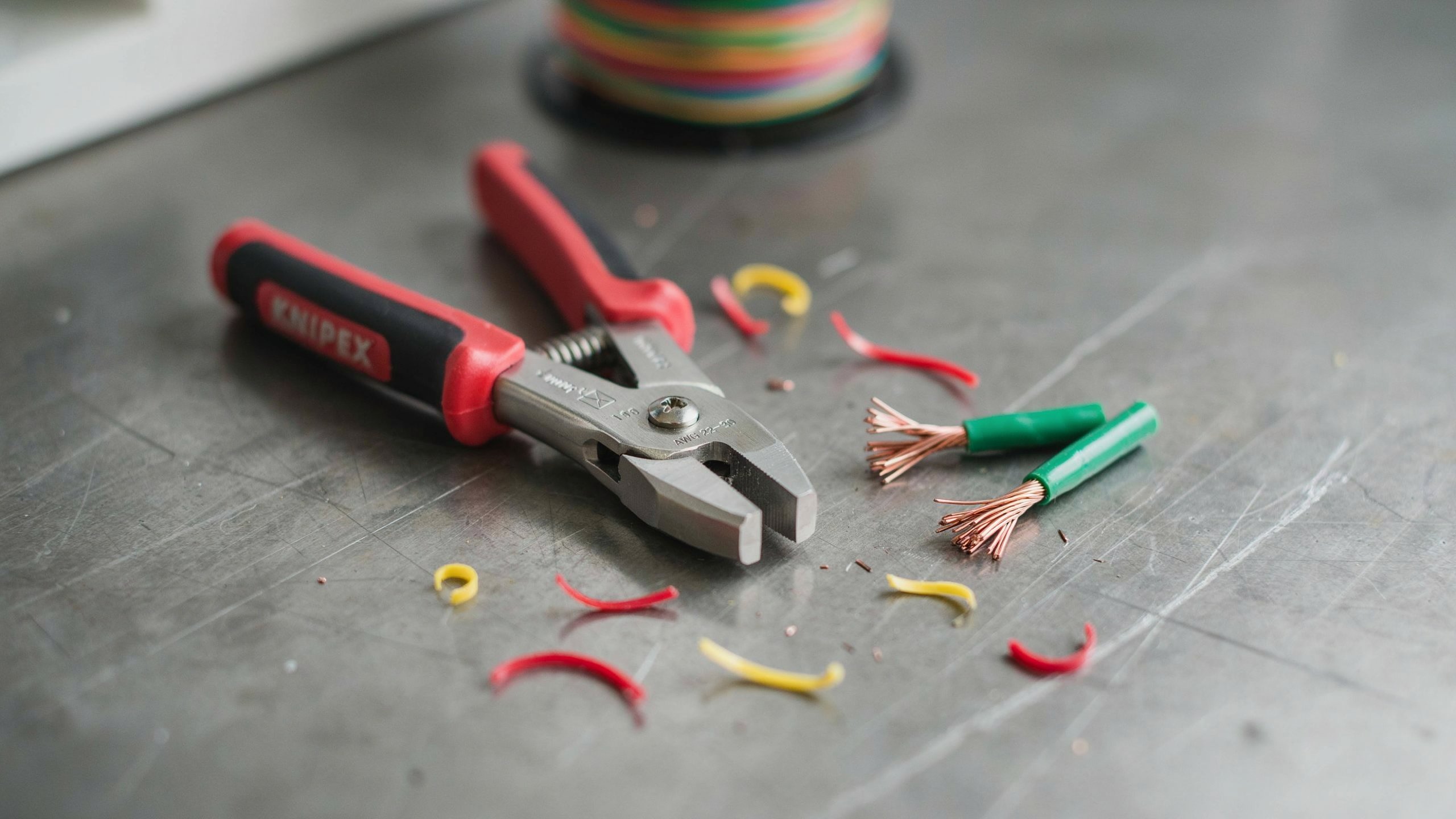
A wire stripper is one of the most essential tools for electricians, technicians, and DIY enthusiasts who work with electrical wiring. It is specifically designed to remove the insulation from electrical wires without damaging the metal conductor inside. Whether installing new wiring, repairing circuits, or connecting devices, a wire stripper ensures precision, safety, and efficiency. Using the right wire stripper not only saves time but also prevents costly mistakes such as nicking or cutting the wire.
1. What Is a Wire Stripper?
A wire stripper is a hand tool used to remove the protective insulation from electrical wires, exposing the metal conductor for connections or repairs. It typically features a pair of handles, a cutting edge, and multiple notches sized for different wire gauges. The tool allows users to strip insulation cleanly without damaging the wire strands, which is essential for maintaining electrical conductivity and safety. Wire strippers are available in manual, automatic, and multifunctional designs, each suited for specific applications. They are indispensable in electrical installations, automotive wiring, and electronic assembly, making them a must-have in every toolkit.
2. Importance of Using a Wire Stripper in Electrical Work
Using a wire stripper is critical for ensuring safe and reliable electrical connections. Stripping wires with improper tools such as knives or pliers can damage the conductor, leading to poor connections, overheating, or even electrical fires. A wire stripper provides precise control, allowing users to remove insulation cleanly and efficiently. It also helps maintain the integrity of the wire, ensuring optimal current flow and reducing the risk of short circuits. For professionals, using a wire stripper improves productivity and consistency, while for DIY users, it enhances safety and accuracy in home electrical projects.
3. Types of Wire Strippers and Their Applications
There are several types of wire strippers, each designed for specific tasks and user preferences.
- Manual Wire Strippers: The most common type, featuring multiple notches for different wire gauges. Ideal for general electrical work and small projects.
- Automatic Wire Strippers: These tools automatically adjust to the wire size and remove insulation with a single squeeze, making them perfect for high-volume or repetitive tasks.
- Adjustable Wire Strippers: Equipped with a tension adjustment screw, these allow users to fine-tune the stripping pressure for different insulation types.
- Combination Wire Strippers: Multifunctional tools that combine stripping, cutting, and crimping capabilities, offering versatility for electricians and technicians.
Choosing the right type of wire stripper depends on the wire size, insulation material, and frequency of use.
4. How to Use a Wire Stripper Correctly
Using a wire stripper properly ensures clean results and prevents damage to the wire. Begin by selecting the correct notch on the stripper that matches the wire gauge. Insert the wire into the notch and squeeze the handles gently to cut through the insulation without touching the conductor. Rotate the tool slightly if needed, then pull the insulation off smoothly. For stranded wires, use extra care to avoid cutting individual strands. Always inspect the stripped wire to ensure it is clean and undamaged before making any electrical connections. Proper technique not only improves safety but also ensures long-lasting and efficient wiring.
5. Key Features to Look for in a Wire Stripper
When selecting a wire stripper, several features determine its performance and ease of use. Look for ergonomic handles that provide a comfortable grip and reduce hand fatigue during extended use. A built-in wire cutter adds convenience, allowing users to trim wires without switching tools. Adjustable tension settings are useful for handling different insulation materials, while clearly marked gauge sizes ensure accuracy. Some advanced models include crimping jaws for terminals and connectors, making them multifunctional. Durability is also important—choose a wire stripper made from high-quality steel with corrosion-resistant coatings for long-term reliability.
6. Wire Stripper vs. Other Wire Tools
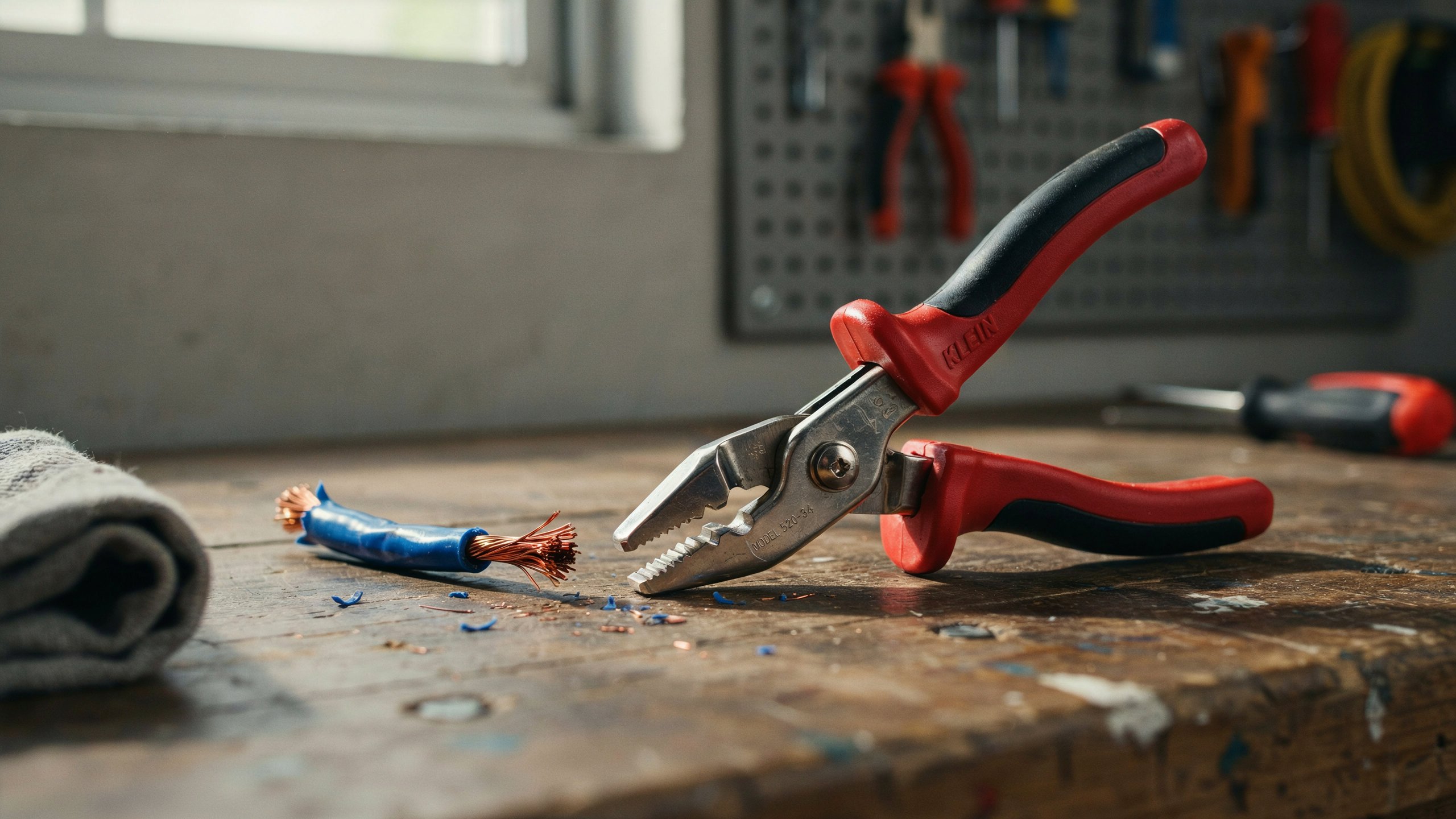
While a wire stripper is designed specifically for removing insulation, other tools like wire cutters, pliers, and crimpers serve different purposes. Wire cutters are used to cut wires cleanly, while pliers are used for gripping, bending, or twisting. Crimpers are used to attach connectors to wire ends. Although some combination tools integrate multiple functions, a dedicated wire stripper provides the most precise and efficient insulation removal. Using the correct tool for each task ensures better results, reduces wear on equipment, and enhances overall safety in electrical work.
7. Common Mistakes to Avoid When Using a Wire Stripper
Even experienced users can make mistakes when using a which can compromise safety and performance. One common error is using the wrong notch size, which can either fail to remove insulation completely or damage the wire strands. Applying too much pressure can nick the conductor, weakening it and increasing resistance. Another mistake is stripping too much insulation, leaving exposed wire that can cause short circuits. Always measure the correct stripping length and handle the tool gently. Regularly cleaning and maintaining the also ensures consistent performance and longevity.
8. Maintenance and Care of Wire Strippers
Proper maintenance of extends their lifespan and ensures accurate performance. After each use, wipe the tool clean to remove debris and insulation residue. Apply a light coat of oil to the pivot points to prevent rust and maintain smooth operation. Store the in a dry place to avoid corrosion. Periodically check the cutting edges and notches for wear or dullness, as these can affect precision. For automatic, ensure that the adjustment mechanisms are functioning properly. With regular care, a high-quality wire stripper can last for many years of reliable service.
9. Applications of Wire Strippers in Different Industries
The applications of wire strippers extend across multiple industries beyond traditional electrical work. In the automotive sector, they are used for wiring harnesses, battery connections, and vehicle electronics. In telecommunications, wire strippers are essential for preparing cables and connectors for data transmission. Even in DIY and hobbyist projects are invaluable for creating custom circuits, repairing appliances, and building electronic devices. Their versatility and precision make them indispensable tools across various technical fields.
10. The Future of Wire Stripper Technology
The future of technology is evolving with advancements in automation, ergonomics, and smart design. Modern wire strippers are being developed with self-adjusting mechanisms, digital displays, and precision sensors that detect wire size automatically. Battery-powered and pneumatic models are also emerging for industrial applications, offering faster and more consistent results. Manufacturers are focusing on lightweight materials and ergonomic designs to reduce user fatigue. As electrical systems become more complex, wire stripper will continue to adapt, providing greater accuracy, safety, and efficiency for professionals and hobbyists alike.
Conclusion
The wire stripper is a simple yet indispensable tool that ensures precision, safety, and efficiency in electrical work. Its ability to remove insulation cleanly without damaging the conductor makes it essential for creating reliable electrical connections. From basic manual models to advanced automatic designs, wire strippers cater to a wide range of applications across industries. Choosing the right tool, using it correctly, and maintaining it properly can significantly improve the quality and safety of electrical installations. As technology advances will continue to evolve, empowering professionals and DIY enthusiasts to work smarter and safer in an increasingly electrified world.
FAQs
1. What is a wire stripper used for?
A wire stripper is used to remove the insulation from electrical wires, exposing the metal conductor for connections, repairs, or installations.
2. How do I choose the right wire stripper?
Choose a based on the wire gauge range, insulation type, and frequency of use. For frequent or professional work, an automatic or multifunctional model is ideal.
3. Can I use pliers or a knife instead of a wire stripper?
While possible, using pliers or knives can damage the wire and compromise safety. A provides precise and clean insulation removal.
4. What is the difference between manual and automatic wire strippers?
Manual require selecting the correct notch and pulling the insulation manually, while automatic adjust to the wire size and remove insulation with one motion.
5. How do I maintain my wire stripper?
Clean the tool after each use, lubricate the pivot points, and store it in a dry place. Regularly inspect the cutting edges for wear or dullness.
