The hack squat is one of the most effective exercises for developing lower body strength, power, and muscle definition. Often performed on a machine, this movement targets the quadriceps, hamstrings, glutes, and calves, making it a staple in many strength training and bodybuilding programs. Unlike traditional squats, the provides additional stability and control, allowing lifters to focus on proper form and muscle engagement without worrying about balance. Whether the goal is to build muscle mass, improve athletic performance, or enhance overall leg strength, mastering the hack squat can deliver impressive results.
What Is a Hack Squat?
The hack squat is a compound lower-body exercise that primarily targets the quadriceps while also engaging the glutes, hamstrings, and calves. It is typically performed using a hack squat machine, which features a sled that moves along a fixed track. The lifter positions their shoulders under the pads, places their feet on the platform, and pushes the sled upward by extending the knees and hips. This controlled movement isolates the leg muscles more effectively than free-weight squats, making it ideal for both beginners and advanced lifters. The hack squat can also be performed with a barbell behind the legs, known as the barbell hack squat, which was popularized by early 20th-century strongmen.
Benefits of the Hack Squat
The hack squat offers numerous benefits that make it a valuable addition to any lower-body workout routine. One of the main advantages is its ability to build strong and defined quadriceps. Because the machine provides stability, lifters can focus on pushing heavier weights safely, leading to greater muscle hypertrophy. The also reduces strain on the lower back compared to traditional barbell squats, making it a safer option for individuals with back issues. Additionally, the fixed movement path ensures consistent form, which helps prevent injuries and promotes balanced muscle development. Beyond aesthetics, the improves functional strength, enhances athletic performance, and supports better posture by strengthening the muscles that stabilize the hips and knees.
Muscles Worked During the Hack Squat
The hack squat is a compound exercise that engages multiple muscle groups simultaneously. The primary muscles worked are the quadriceps, located at the front of the thighs, which are responsible for extending the knees. The gluteus maximus, or glutes, play a key role in hip extension, while the hamstrings assist in stabilizing the movement. The calves, particularly the gastrocnemius and soleus muscles, are activated during the upward phase to support balance and control. Additionally, the core muscles engage to maintain proper posture throughout the exercise. This combination of muscle activation makes the hack squat one of the most efficient exercises for developing lower body strength and symmetry.
How to Perform the Hack Squat Correctly
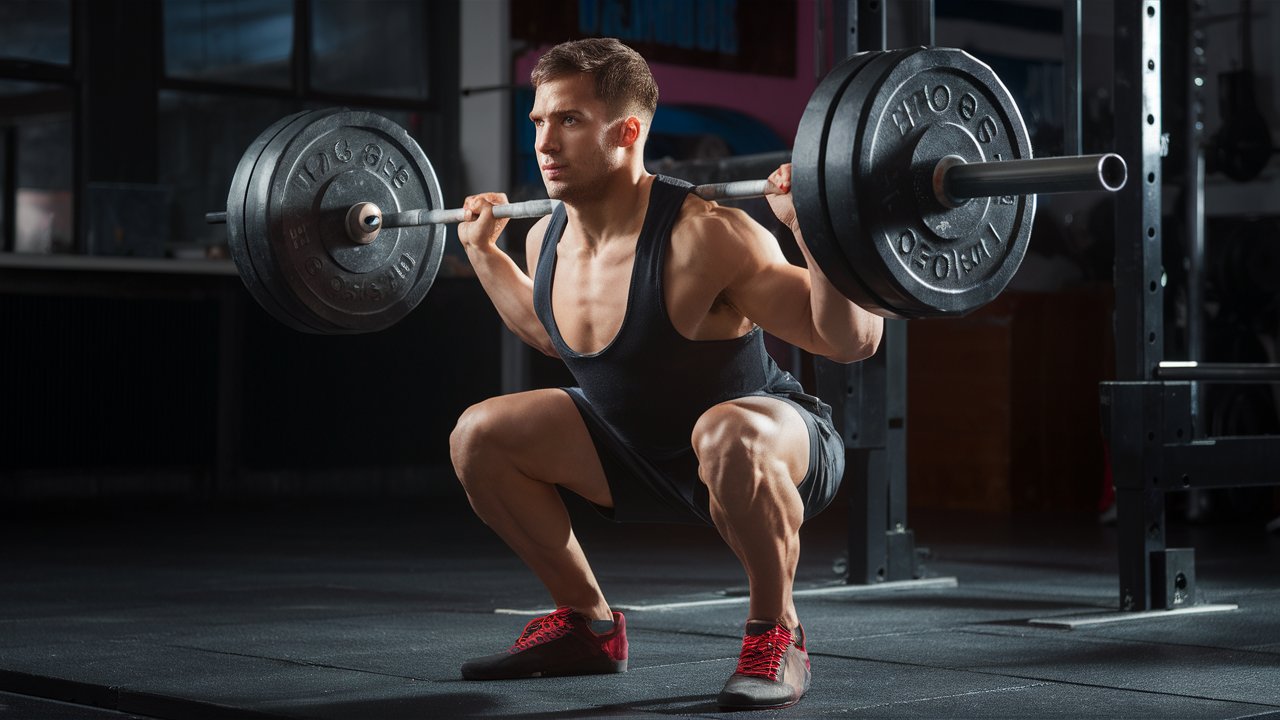
Performing the hack squat with proper form is essential for maximizing results and preventing injury. Begin by positioning yourself on the machine with your shoulders under the pads and your feet shoulder-width apart on the platform. Keep your back flat against the backrest and your core engaged. Slowly lower the sled by bending your knees and hips until your thighs are parallel to the platform or slightly below. Ensure that your knees track in line with your toes and do not cave inward. Push through your heels to extend your legs and return to the starting position. Avoid locking your knees at the top to maintain tension on the muscles. Controlled movement and proper breathing—inhale on the way down and exhale on the way up—are key to performing the safely and effectively.
Common Mistakes to Avoid in the Hack Squat
While the hack squat is a relatively safe exercise, improper technique can reduce its effectiveness and increase the risk of injury. One common mistake is placing the feet too high or too low on the platform, which can shift the emphasis away from the target muscles or strain the knees. Another frequent error is allowing the knees to collapse inward during the descent, which can lead to joint stress. Rounding the lower back or lifting the heels off the platform are also signs of poor form. To avoid these issues, maintain a neutral spine, keep your heels grounded, and focus on controlled movement. Using excessive weight before mastering proper technique can also compromise form, so it’s best to start with moderate resistance and gradually increase as strength improves.
Hack Squat Variations for Different Fitness Levels
There are several variations that cater to different fitness levels and training goals. The traditional machine is ideal for beginners and those seeking controlled movement. The barbell performed by holding a barbell behind the legs, challenges balance and coordination while targeting the same muscle groups. For advanced lifters, the reverse—where the lifter faces the machine—places greater emphasis on the glutes and hamstrings. Another variation is the single-leg which isolates each leg to correct muscle imbalances and improve stability. Incorporating these variations into a workout routine can help target different areas of the lower body and prevent training plateaus.
Hack Squat vs. Leg Press: Which Is Better?
The hack squat and leg press are both excellent exercises for building lower body strength, but they differ in mechanics and muscle emphasis. The hack squat places more focus on the quadriceps and requires greater core engagement due to the upright position. It also mimics the natural squatting motion more closely, making it beneficial for functional strength. The leg press, on the other hand, allows for heavier loads and reduces spinal compression, making it suitable for those recovering from injuries or seeking to isolate the legs without engaging the back. Ideally, both exercises can be included in a well-rounded leg workout to maximize muscle development and strength gains.
Incorporating the Hack Squat into Your Workout Routine
To get the most out of the it should be strategically incorporated into a lower-body or full-leg workout routine. Beginners can start with 3 sets of 10–12 repetitions using moderate weight, focusing on form and control. Intermediate and advanced lifters can increase the weight and perform 4–5 sets of 8–10 repetitions for muscle growth. The hack squat can be paired with complementary exercises such as lunges, leg presses, and Romanian deadlifts for a complete leg workout. It’s also effective as a finisher exercise after compound lifts like barbell squats to fully fatigue the quadriceps. Consistency, progressive overload, and proper recovery are key to achieving noticeable results.
Conclusion
The hack squat is a powerful exercise that builds strength, stability, and muscle definition in the lower body. Its controlled movement pattern and ability to isolate key leg muscles make it an excellent choice for lifters of all levels. By mastering proper form, avoiding common mistakes, and incorporating variations, individuals can maximize the benefits of this exercise and achieve balanced lower body development. Whether the goal is to enhance athletic performance, increase muscle mass, or improve overall fitness, the remains one of the most effective tools for achieving strong, sculpted legs.
Frequently Asked Questions (FAQ)
1. What muscles does the hack squat work?
The hack squat primarily targets the quadriceps but also engages the glutes, hamstrings, calves, and core muscles for stability.
2. Is the hack squat better than the traditional squat?
Both exercises are effective. The hack squat provides more stability and isolates the legs, while the traditional squat engages more stabilizing muscles and improves functional strength.
3. Can beginners do hack squats?
Yes, beginners can safely perform hack squats using light weights and focusing on proper form before progressing to heavier loads.
4. How many sets and reps should I do for hack squats?
For general strength and muscle growth, perform 3–4 sets of 8–12 repetitions, adjusting the weight based on your fitness level.
5. What is the difference between a hack squat and a leg press?
The hack squat emphasizes the quadriceps and mimics a natural squatting motion, while the leg press allows for heavier loads and reduces spinal strain.
6. Can hack squats replace regular squats?
Hack squats can complement but not completely replace regular squats, as both exercises target muscles differently and offer unique benefits.
7. Are hack squats safe for the knees?
When performed with proper form and controlled movement, hack squats are safe for the knees. Avoid locking the knees or placing the feet too low on the platform.
8. How often should I include hack squats in my workout?
Hack squats can be performed 1–2 times per week as part of a balanced leg training routine, allowing adequate recovery between sessions.
9. What equipment is needed for hack squats?
Most gyms have a hack squat machine, but the exercise can also be performed with a barbell for a free-weight variation.
10. Can hack squats help build bigger legs?
Yes, consistent hack squat training with progressive overload and proper nutrition can significantly increase leg muscle size and strength.
