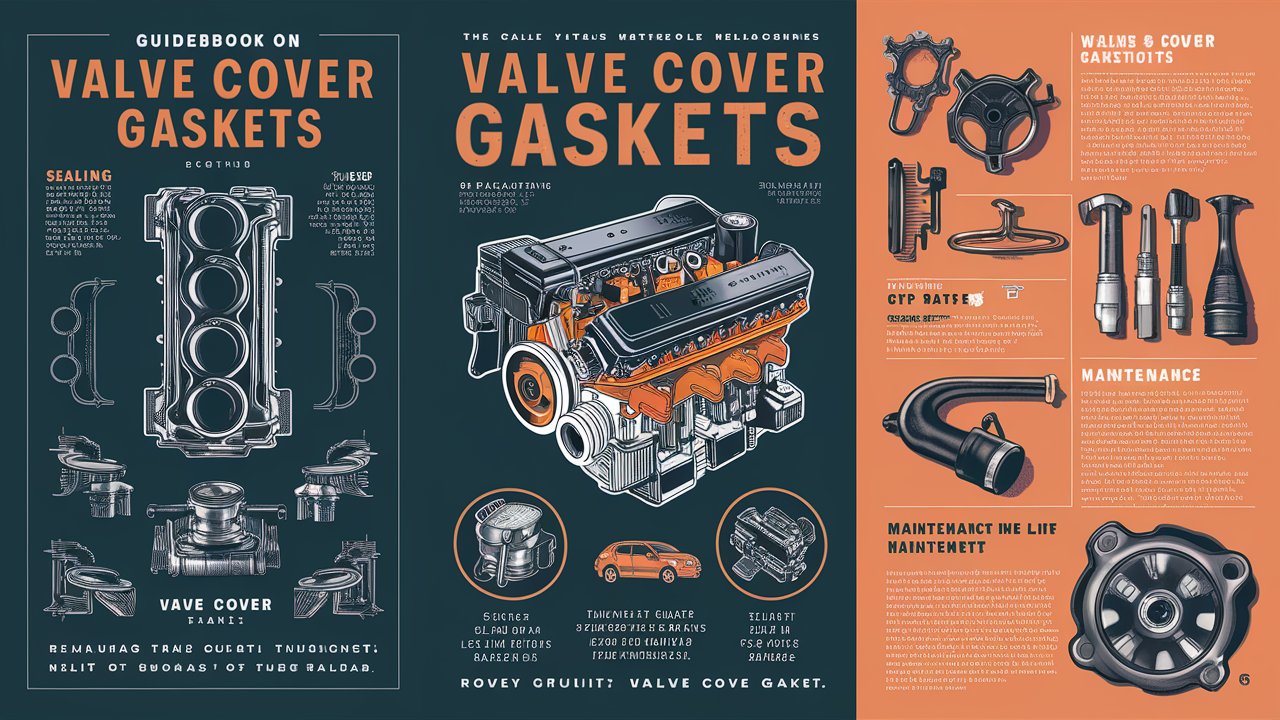
The valve cover gasket is one of the most important yet often overlooked components of a vehicle’s engine. It serves as a seal between the valve cover and the cylinder head, preventing oil leaks and ensuring that the engine operates smoothly. Over time, this gasket can wear out due to heat, pressure, and exposure to oil, leading to leaks that can cause serious engine problems if not addressed promptly. Understanding what a valve cover gasket does, how it works, and when it needs replacement is essential for maintaining engine performance and longevity.
What Is a Valve Cover Gasket?
A valve cover gasket is a rubber, silicone, or cork seal that sits between the valve cover and the cylinder head of an engine. Its primary purpose is to prevent engine oil from leaking out while keeping dirt and debris from entering the engine. The valve cover itself protects the upper part of the engine, including the camshafts and valves, while the gasket ensures a tight seal between the cover and the engine block.
Because the engine operates under high temperatures and pressure, the gasket must withstand constant exposure to heat, oil, and vibration. Over time, these conditions can cause the gasket to harden, crack, or shrink, leading to oil leaks. When this happens, replacing the gasket becomes necessary to maintain proper engine function and prevent further damage.
Function of the Valve Cover Gasket
The plays a critical role in maintaining the engine’s oil system. It ensures that oil remains contained within the engine, allowing it to lubricate moving parts such as camshafts, valves, and rocker arms. Without a proper seal, oil can leak out, leading to reduced lubrication, overheating, and potential engine failure.
In addition to sealing oil, the gasket also helps maintain internal pressure within the engine. This pressure balance is essential for efficient combustion and overall performance. A damaged gasket can disrupt this balance, causing rough idling, misfires, or even reduced fuel efficiency.
Common Materials Used in Valve Cover Gaskets
Valve cover gaskets are made from different materials, each offering unique advantages depending on the engine type and manufacturer specifications.
1. Rubber Gaskets
Rubber gaskets are the most common type due to their flexibility and affordability. They provide a good seal and are resistant to oil and heat, but they can harden over time.
2. Silicone Gaskets
Silicone gaskets are more durable and heat-resistant than rubber ones. They are often used in high-performance or modern engines that operate at higher temperatures.
3. Cork Gaskets
Cork gaskets are less common today but were widely used in older vehicles. They provide excellent sealing but can deteriorate faster under extreme heat.
4. Metal-Reinforced Gaskets
Some high-end or performance vehicles use metal-reinforced gaskets for added strength and longevity. These gaskets combine metal with rubber or silicone for superior sealing and durability.

Symptoms of a Bad Valve Cover Gasket
Recognizing the signs of a failing can help prevent costly engine repairs.
1. Oil Leaks
The most obvious symptom is oil leaking from the top of the engine. You may notice oil stains on the valve cover, engine block, or even on the ground beneath the vehicle.
2. Burning Oil Smell
When oil leaks onto hot engine components, it produces a distinct burning smell. This is often noticeable after driving or when the engine is idling.
3. Low Oil Levels
A leaking gasket can cause gradual oil loss, leading to low oil levels. Driving with insufficient oil can cause severe engine damage.
4. Engine Misfire or Rough Idle
Oil leaking into spark plug wells can cause misfires, rough idling, or poor engine performance. This is a clear sign that the gasket needs replacement.
5. Smoke from the Engine Bay
If oil drips onto the exhaust manifold, it can produce smoke from under the hood. This is a serious issue that requires immediate attention.
Valve Cover Gasket Replacement Process
Replacing a valve cover gasket is a relatively straightforward process for most vehicles, though it requires precision and care. The mechanic will:
- Remove any components obstructing access to the valve cover, such as ignition coils or hoses.
- Unbolt and remove the valve cover.
- Clean the mating surfaces to remove old gasket material and oil residue.
- Install the new gasket and reassemble the components.
- Test the engine for leaks and proper operation.
The entire process typically takes between one and three hours, depending on the vehicle’s design.
Valve Cover Gasket Replacement Cost
The cost of replacing a varies depending on the vehicle make, model, and labor rates. On average, the valve cover gasket replacement cost ranges from $100 to $400.
- Parts Cost: The gasket itself usually costs between $20 and $80, depending on the material and brand.
- Labor Cost: Labor charges range from $80 to $300, depending on the complexity of the engine and local labor rates.
Luxury or performance vehicles may cost more due to complex engine layouts, while smaller four-cylinder engines are typically less expensive to service.
How to Prevent Valve Cover Gasket Failure
While gasket wear is inevitable over time, proper maintenance can extend its lifespan.
- Regular Oil Changes: Clean oil reduces sludge buildup and prevents gasket deterioration.
- Avoid Overheating: Excessive heat accelerates gasket wear, so maintaining proper coolant levels is essential.
- Inspect for Leaks: Regularly check for oil leaks around the valve cover area.
- Use Quality Parts: When replacing the gasket, choose high-quality OEM or premium aftermarket parts for better durability.
Conclusion
The valve cover gasket may be a small component, but it plays a vital role in keeping the engine sealed, lubricated, and running efficiently. Understanding its function, recognizing the signs of failure, and replacing it promptly can prevent costly engine damage and ensure long-term reliability. Whether you’re a car enthusiast or an everyday driver, maintaining a healthy is essential for optimal engine performance. Investing in quality parts and timely maintenance not only saves money but also extends the life of your vehicle.
Frequently Asked Questions (FAQ)
1. What does a valve cover gasket do?
It seals the valve cover to the cylinder head, preventing oil leaks and keeping contaminants out of the engine.
2. How long does a valve cover gasket last?
Most gaskets last between 50,000 and 100,000 miles, depending on driving conditions and maintenance.
3. What causes a valve cover gasket to fail?
Heat, age, and exposure to oil can cause the gasket to harden, crack, or shrink, leading to leaks.
4. Can I drive with a leaking valve cover gasket?
It’s not recommended. Driving with a leak can cause oil loss, engine misfires, and potential fire hazards.
5. How much does it cost to replace a valve cover gasket?
The average replacement cost ranges from $100 to $400, depending on the vehicle and labor rates.
6. Can I replace a valve cover gasket myself?
Yes, if you have mechanical experience and the right tools. However, professional replacement ensures proper sealing.
7. What happens if I ignore a bad valve cover gasket?
Ignoring the issue can lead to oil leaks, engine misfires, and damage to ignition components or the catalytic converter.
8. Are valve cover gaskets the same for all cars?
No, gaskets vary in size, shape, and material depending on the engine design and manufacturer.
9. How can I tell if my valve cover gasket is leaking?
Look for oil stains around the valve cover, a burning oil smell, or smoke from the engine bay.
10. How can I prevent valve cover gasket leaks?
Regular maintenance, timely oil changes, and using high-quality gaskets can help prevent leaks and extend gasket life.
