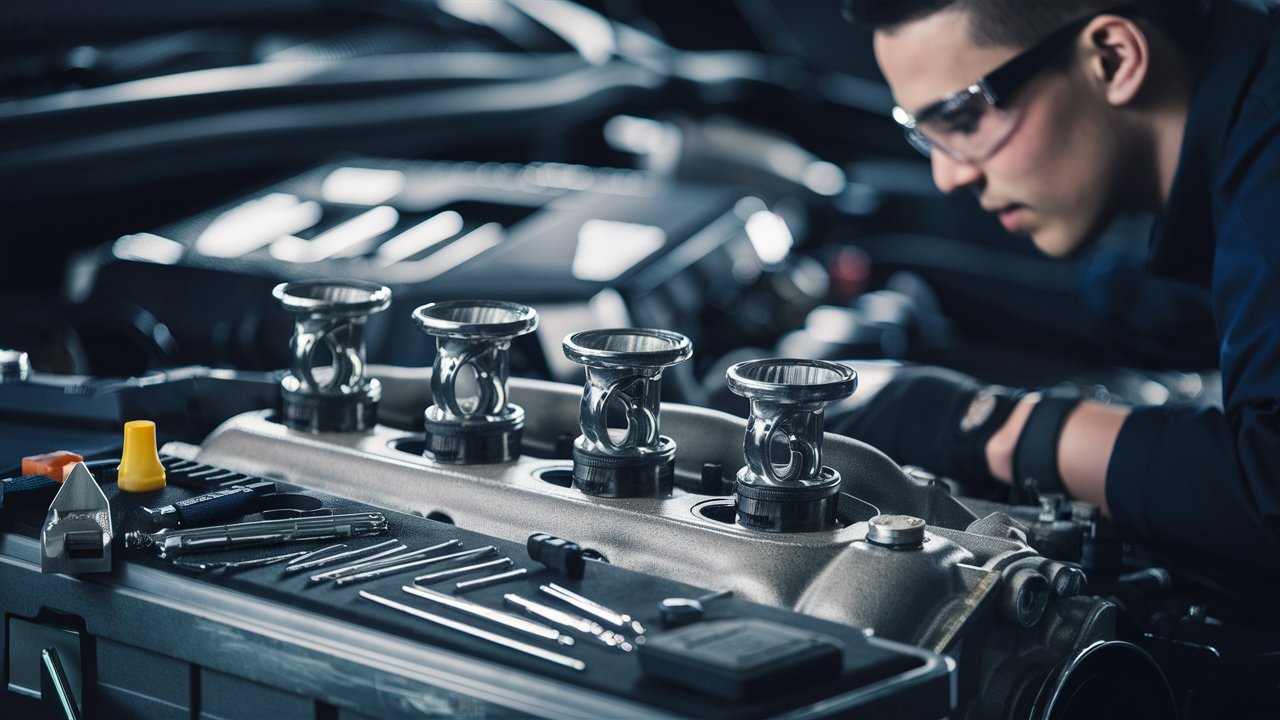
The valve cover gasket is a small but essential component of a vehicle’s engine that plays a crucial role in maintaining proper oil sealing and preventing leaks. Over time, this gasket can wear out, crack, or become brittle due to heat and pressure, leading to oil leaks and potential engine damage. When this happens, a valve cover gasket replacement becomes necessary. Understanding the valve cover gasket replacement cost, the factors that influence it, and the signs of a failing gasket can help car owners make informed decisions and avoid costly repairs down the road.
What Is a Valve Cover Gasket?
The valve cover gasket is a rubber or silicone seal located between the valve cover and the cylinder head of an engine. Its primary function is to prevent engine oil from leaking out while keeping dirt and debris from entering the engine. The gasket also helps maintain proper oil pressure and lubrication within the engine’s upper components.
Over time, exposure to high temperatures, oil, and engine vibrations can cause the gasket to deteriorate. When this happens, oil may begin to leak from the valve cover area, leading to visible oil stains, burning smells, or even smoke from the engine bay. Replacing the gasket promptly is essential to prevent further damage to the engine and maintain optimal performance.
Average Valve Cover Gasket Replacement Cost
The average valve cover gasket replacement cost typically ranges between $100 and $400, depending on the make and model of the vehicle, labor rates, and the complexity of the repair.
- Parts Cost: The gasket itself is relatively inexpensive, usually costing between $20 and $80. Some vehicles may require additional seals or grommets, which can slightly increase the parts cost.
- Labor Cost: Labor charges generally range from $80 to $300, depending on the vehicle’s engine design and accessibility. Vehicles with V6 or V8 engines may require more time to access the valve cover, resulting in higher labor costs.
Luxury or performance vehicles often have more complex engine layouts, which can push the total cost closer to $500 or more. On the other hand, smaller four-cylinder engines are easier to service, keeping the cost on the lower end of the range.
Factors That Affect Valve Cover Gasket Replacement Cost
Several factors influence the total cost of replacing a valve cover gasket.
1. Vehicle Make and Model
Different vehicles have varying engine designs, which affect how easily mechanics can access the valve cover. Compact cars with simple engines are less expensive to repair than luxury or high-performance vehicles with intricate engine layouts.
2. Labor Rates
Labor costs vary by location and repair shop. Dealerships and specialized auto repair centers typically charge higher hourly rates than independent mechanics.
3. Number of Valve Covers
Some engines, particularly V6 and V8 configurations, have two valve covers—one for each cylinder bank. In such cases, both gaskets may need replacement, doubling the cost.
4. Additional Repairs
If oil leaks have caused damage to other components, such as spark plug tubes or ignition coils, additional repairs may be necessary. This can increase the overall cost of the service.
5. Quality of Replacement Parts
High-quality OEM (Original Equipment Manufacturer) gaskets tend to cost more than aftermarket alternatives but often provide better durability and sealing performance.
Symptoms of a Bad Valve Cover Gasket
Recognizing the signs of a failing valve cover gasket can help prevent more serious engine problems.
1. Oil Leaks
The most common symptom is visible oil leaking from the top of the engine. You may notice oil stains on the valve cover, engine block, or even on the ground beneath the vehicle.
2. Burning Oil Smell
When leaking oil drips onto hot engine components, it produces a distinct burning smell. This is often noticeable after driving or when the engine is idling.
3. Low Oil Levels
A leaking gasket can cause gradual oil loss, leading to low oil levels. Driving with insufficient oil can cause severe engine damage.
4. Engine Misfire or Rough Idle
Oil leaking into spark plug wells can cause misfires, rough idling, or poor engine performance. This is a sign that the gasket needs immediate replacement.
5. Smoke from the Engine Bay
If oil leaks onto the exhaust manifold, it can produce smoke from under the hood. This is a serious issue that requires prompt attention to avoid fire hazards.
Is It Safe to Drive with a Bad Valve Cover Gasket?
Driving with a bad valve cover gasket is not recommended. While a small leak may not cause immediate damage, prolonged driving can lead to significant oil loss, engine overheating, and potential damage to ignition components. In severe cases, oil leaking onto hot engine parts can pose a fire risk. It’s best to schedule a replacement as soon as symptoms appear to prevent costly repairs later.
How the Replacement Process Works
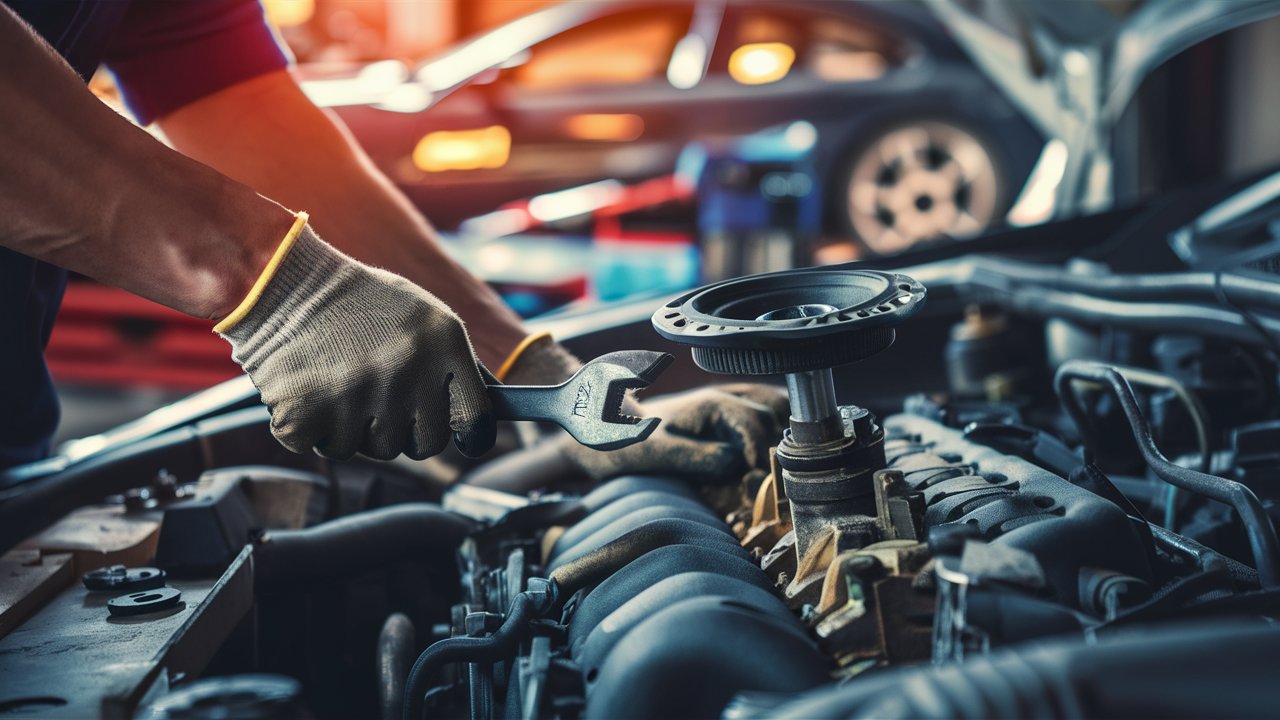
Replacing a valve cover gasket is a relatively straightforward procedure for most vehicles. The mechanic will:
- Remove any components obstructing access to the valve cover, such as ignition coils or hoses.
- Unbolt and remove the valve cover.
- Clean the mating surfaces to remove old gasket material and oil residue.
- Install the new gasket and reassemble the components.
- Test the engine for leaks and proper operation.
The entire process typically takes between one and three hours, depending on the vehicle’s design.
How to Save Money on Valve Cover Gasket Replacement
To reduce the cost of replacement, consider the following tips:
- Compare Quotes: Get estimates from multiple repair shops to find the best price.
- Use Independent Mechanics: Independent garages often charge lower labor rates than dealerships.
- Combine Repairs: If other engine maintenance is due, such as spark plug replacement, combine the services to save on labor costs.
- DIY Replacement: For those with mechanical experience, replacing a valve cover gasket can be a manageable DIY project, though it requires proper tools and attention to detail.
Conclusion
The valve cover gasket may be a small component, but it plays a vital role in maintaining engine health and performance. Understanding the valve cover gasket replacement cost and recognizing the signs of a failing gasket can help car owners address issues before they escalate. On average, replacement costs range from $100 to $400, depending on the vehicle and labor rates. Prompt replacement not only prevents oil leaks and engine damage but also ensures smoother performance and longer engine life. Investing in quality parts and timely maintenance is the best way to keep your vehicle running efficiently and avoid expensive repairs in the future.
Frequently Asked Questions (FAQ)
1. How much does it cost to replace a valve cover gasket?
The average cost ranges from $100 to $400, depending on the vehicle type, labor rates, and parts used.
2. Can I drive with a leaking valve cover gasket?
It’s not advisable. Driving with a leaking gasket can lead to oil loss, engine damage, and potential fire hazards.
3. How long does it take to replace a valve cover gasket?
Most replacements take between one and three hours, depending on the engine’s complexity.
4. What causes a valve cover gasket to fail?
Heat, age, and exposure to oil can cause the gasket to harden, crack, or shrink, leading to leaks.
5. How often should a valve cover gasket be replaced?
There’s no fixed interval, but most gaskets last between 50,000 and 100,000 miles, depending on driving conditions and maintenance.
6. Can I replace a valve cover gasket myself?
Yes, if you have mechanical experience and the right tools. However, professional replacement ensures proper sealing and avoids mistakes.
7. What happens if I ignore a bad valve cover gasket?
Ignoring the issue can lead to oil leaks, engine misfires, and potential damage to ignition components or the catalytic converter.
8. Are both valve cover gaskets replaced at the same time?
For V6 or V8 engines with two valve covers, it’s often recommended to replace both gaskets simultaneously for consistency.
9. Does a valve cover gasket replacement include new bolts or seals?
Some replacement kits include new bolts or grommets, but it depends on the vehicle and the kit purchased.
10. How can I prevent valve cover gasket leaks?
Regular oil changes, avoiding engine overheating, and inspecting for early signs of leaks can help extend the gasket’s lifespan.
