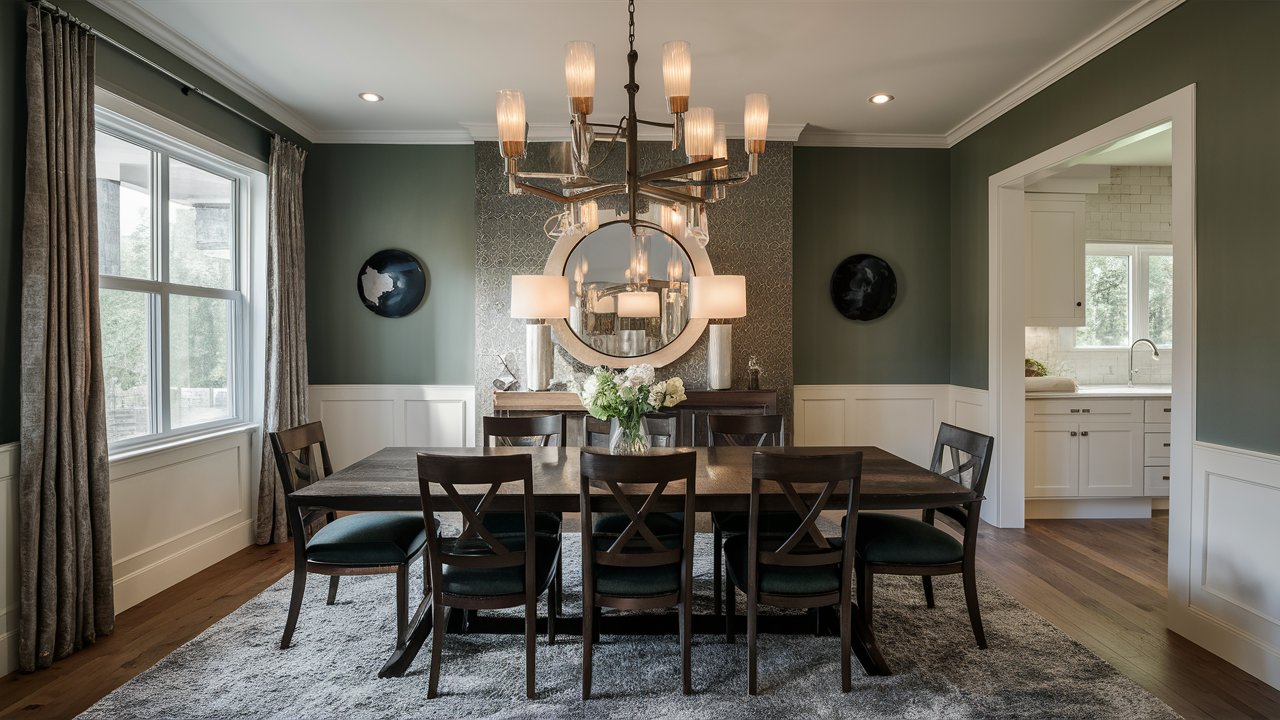
Dining room light fixtures are more than just sources of illumination—they are statement pieces that define the mood, style, and personality of a home’s most social space. The right lighting can transform an ordinary dining area into a warm, inviting environment perfect for family dinners, celebrations, and gatherings. From elegant chandeliers to modern pendant lights and minimalist flush mounts, dining room light fixtures come in countless designs, materials, and finishes. Choosing the right one involves balancing aesthetics, functionality, and proportion to create harmony between the lighting and the room’s décor.
Types of Dining Room Light Fixtures
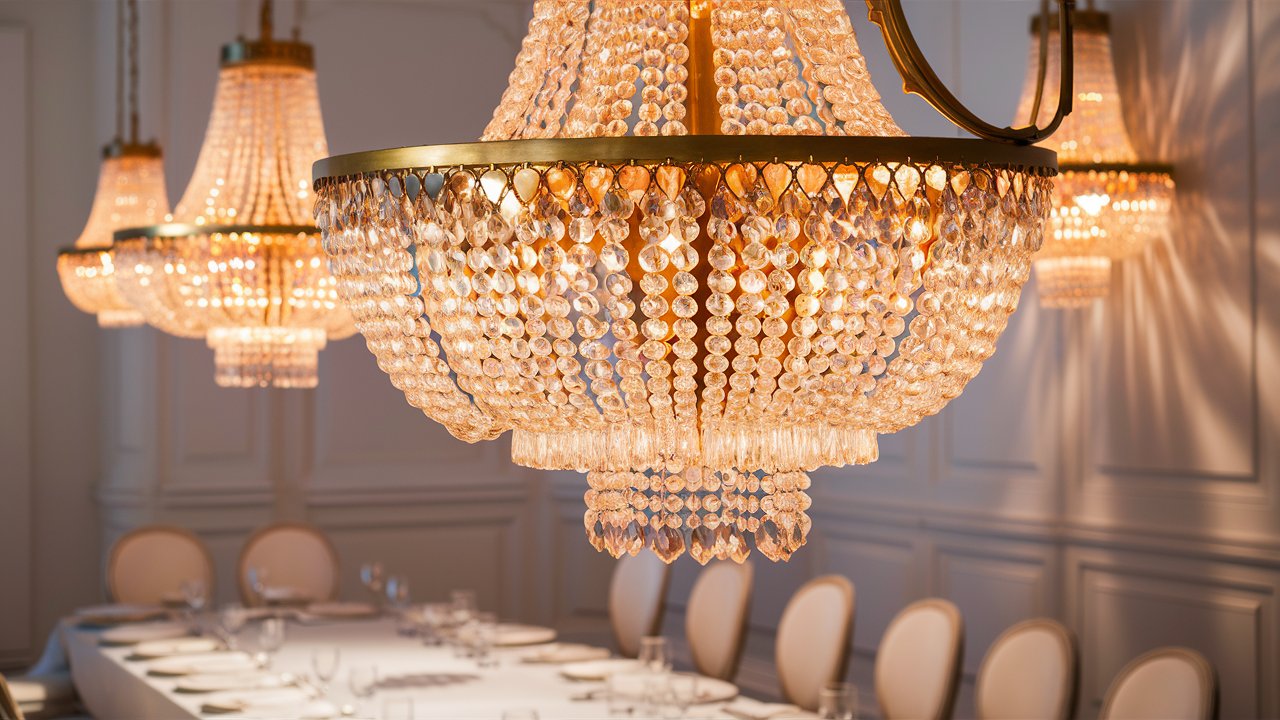
Dining room light fixtures come in a wide variety of styles, each offering a unique aesthetic and lighting effect. Chandeliers are the most traditional and luxurious option, often serving as the centerpiece of the room. They come in materials like crystal, brass, wrought iron, and glass, adding elegance and sophistication. Pendant lights are a modern alternative, offering versatility in design and height adjustment. They can be installed as single fixtures or in clusters for a contemporary look. Flush mount and semi-flush mount lights are ideal for rooms with lower ceilings, providing ample illumination without overwhelming the space. Linear suspension lights work perfectly over long dining tables, offering even light distribution and a sleek, modern appearance. Wall sconces and recessed lighting can be used as supplementary sources to enhance ambiance and highlight architectural details.
Choosing the Right Dining Room Light Fixture
Selecting the perfect dining room light fixture involves considering several key factors such as room size, ceiling height, table shape, and overall décor style. The fixture should complement the dining table’s dimensions—typically, the width of the light should be about half to two-thirds the width of the table. For ceiling height, the bottom of the fixture should hang approximately 30 to 36 inches above the tabletop to ensure balanced illumination and unobstructed views. The style of the fixture should align with the room’s design theme; for example, a crystal chandelier suits a classic or formal dining room, while a matte black pendant fits a modern or industrial space. Additionally, the color temperature of the bulbs plays a crucial role—warm white light creates a cozy, inviting atmosphere, while cool white light offers a more contemporary and vibrant feel.
Modern Trends in Dining Room Lighting
Modern dining room light fixtures emphasize simplicity, functionality, and artistic expression. Minimalist designs with clean lines, geometric shapes, and metallic finishes are increasingly popular. Fixtures made from mixed materials—such as wood and metal or glass and brass—add texture and visual interest. LED technology has also revolutionized dining room lighting, offering energy efficiency, adjustable brightness, and longer lifespan. Smart lighting systems allow homeowners to control brightness and color temperature through mobile apps or voice commands, creating customizable ambiance for different occasions. Another growing trend is the use of oversized fixtures that make a bold statement, turning the light itself into a piece of art. These modern innovations combine practicality with aesthetic appeal, making dining room lighting both functional and fashionable.
Installation and Placement Tips
Proper installation and placement are essential for achieving balanced and effective lighting in the dining room. The fixture should be centered above the dining table, not necessarily the room itself, to ensure even light distribution. For rectangular tables, linear or multi-light pendants work best, while round tables pair beautifully with circular chandeliers or single pendants. Dimmers are highly recommended, as they allow adjustment of light intensity to suit different moods—from bright lighting for meals to softer illumination for intimate gatherings. When installing multiple fixtures, maintain equal spacing and consistent height for a cohesive look. Always ensure that the fixture’s size and brightness are proportionate to the room’s dimensions to avoid overpowering or under-lighting the space.
Maintenance and Care for Dining Room Light Fixtures
Regular maintenance keeps dining room light fixtures looking beautiful and functioning efficiently. Dust and dirt can accumulate on bulbs, shades, and crystals, reducing brightness and diminishing the fixture’s appearance. Clean fixtures regularly using a soft cloth or microfiber duster, and avoid harsh chemicals that may damage finishes. For chandeliers, remove and clean crystals individually with a mild cleaning solution. Check wiring and connections periodically to ensure safety and replace burnt-out bulbs promptly. LED bulbs are recommended for their longevity and energy efficiency. Proper care not only enhances the fixture’s lifespan but also maintains the elegance and ambiance of the dining room.
Conclusion
Dining room light fixtures are the heart of a well-designed dining space, combining beauty, functionality, and atmosphere. The right fixture can elevate the entire room, creating a warm and inviting environment for family meals and social gatherings. Whether choosing a classic chandelier, a sleek pendant, or a modern linear light, understanding the principles of design, proportion, and placement ensures a perfect fit for any home. With thoughtful selection, proper installation, and regular maintenance, dining room lighting becomes more than just illumination—it becomes an expression of style and personality that enhances every dining experience.
Frequently Asked Questions
1. What type of light fixture is best for a dining room?
Chandeliers and pendant lights are the most popular choices for dining rooms. Chandeliers add elegance and grandeur, while pendant lights offer modern versatility and focused illumination.
2. How big should a dining room light fixture be?
The fixture should be about half to two-thirds the width of the dining table. For example, a 36-inch-wide table pairs well with a fixture around 18 to 24 inches wide.
3. How high should a dining room light hang above the table?
The ideal height is between 30 and 36 inches above the tabletop, ensuring balanced lighting and comfortable visibility across the table.
4. What color temperature is best for dining room lighting?
Warm white light (2700K–3000K) is ideal for dining rooms, as it creates a cozy and inviting atmosphere suitable for meals and gatherings.
5. Can I use LED bulbs in dining room light fixtures?
Yes, LED bulbs are highly recommended for their energy efficiency, long lifespan, and ability to produce adjustable brightness and color temperatures.
