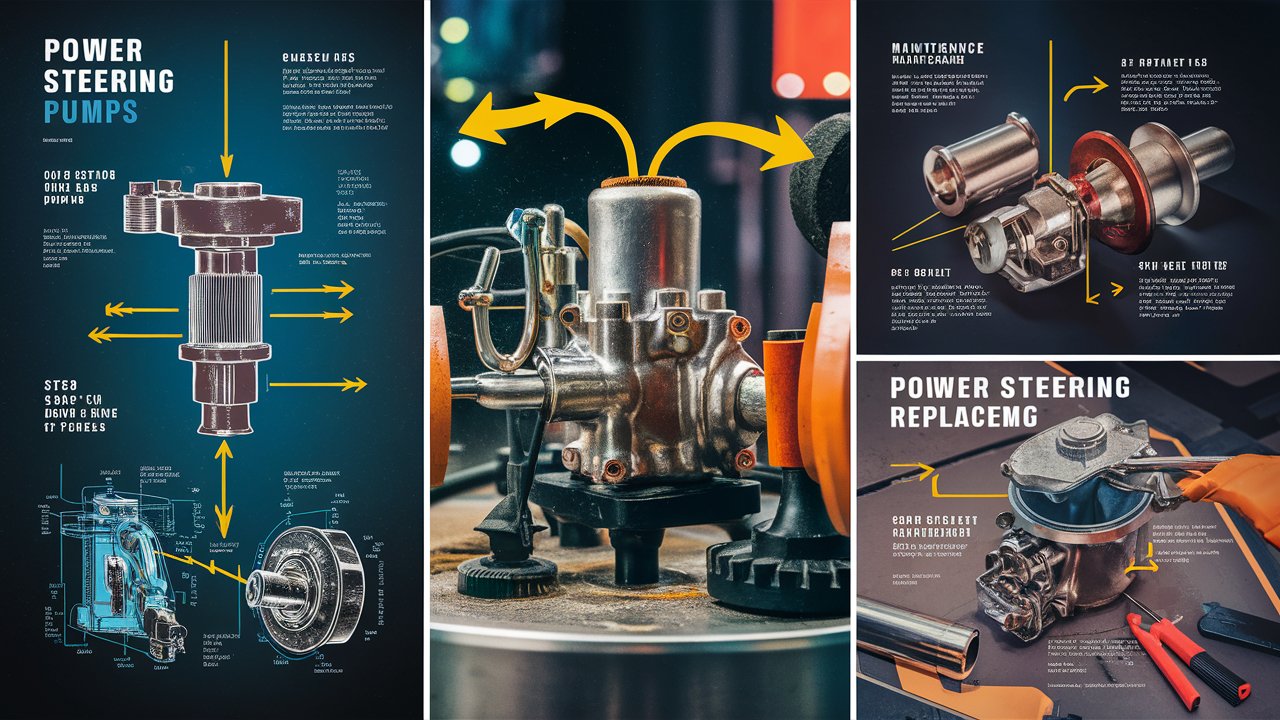
The power steering pump is one of the most essential components in a vehicle’s steering system, responsible for ensuring smooth and effortless control while driving. Without it, turning the steering wheel would require significant physical effort, especially at low speeds or when the vehicle is stationary. This crucial part works by generating hydraulic pressure that assists the steering mechanism, allowing drivers to maneuver their vehicles with precision and ease. Understanding how the power steering pump functions, recognizing the signs of failure, and knowing how to maintain or replace it can help extend the life of the steering system and improve overall driving safety.
What Is a Power Steering Pump?
A power steering pump is a hydraulic device that supplies pressurized fluid to the steering system, enabling easier movement of the steering wheel. It is typically driven by the engine through a belt and pulley system. The pump draws fluid from the power steering reservoir and delivers it under pressure to the steering gear, which then assists in turning the wheels. This process reduces the amount of physical effort required by the driver, making steering smoother and more responsive. Modern vehicles may use either hydraulic, electric, or electro-hydraulic power steering systems, but the traditional hydraulic remains widely used due to its reliability and efficiency.
How the Power Steering Pump Works
The operates by converting mechanical energy from the engine into hydraulic pressure. When the engine runs, the pump’s pulley spins, drawing fluid from the reservoir into the pump chamber. Inside, rotating vanes or gears pressurize the fluid and send it through hoses to the steering gear. As the driver turns the steering wheel, valves within the steering gear direct the pressurized fluid to one side of the piston, helping push the wheels in the desired direction. Once the turn is complete, the fluid returns to the reservoir, ready to be recirculated. This continuous cycle ensures consistent steering assistance and smooth vehicle handling.
Types of Power Steering Pumps
There are several types of power steering pumps, each designed to suit different vehicle models and steering systems. The most common types include:
- Vane Power Steering Pump: Uses rotating vanes inside a slotted rotor to create hydraulic pressure. It is the most widely used type due to its efficiency and compact design.
- Gear Power Steering Pump: Employs meshing gears to move fluid and generate pressure. It is durable and often found in heavy-duty vehicles.
- Roller Power Steering Pump: Utilizes rollers instead of vanes or gears, offering smooth operation and reduced noise.
- Electric Power Steering Pump: Found in modern vehicles, this type uses an electric motor instead of a belt-driven mechanism, improving fuel efficiency and reducing maintenance needs.
Each type has its advantages, but all serve the same purpose—providing hydraulic assistance to make steering easier and more precise.

Common Symptoms of a Failing Power Steering Pump
Recognizing the early signs of a failing can prevent costly repairs and ensure safe driving. Some of the most common symptoms include:
- Whining or Groaning Noise: A high-pitched noise when turning the steering wheel often indicates low fluid levels or a worn-out pump.
- Stiff Steering Wheel: Difficulty turning the wheel, especially at low speeds, suggests that the pump is not generating enough pressure.
- Leaking Power Steering Fluid: Puddles or drips under the vehicle may point to a damaged pump seal or hose.
- Foamy or Discolored Fluid: Air bubbles or dark fluid in the reservoir can signal contamination or internal pump wear.
- Burning Smell: Overheating due to low fluid or friction within the pump can produce a noticeable odor.
Addressing these issues promptly can prevent further damage to the steering system and maintain optimal vehicle performance.
How to Maintain a Power Steering Pump
Proper maintenance of the is essential for ensuring long-term reliability and smooth operation. Regularly checking the power steering fluid level is the first step. The fluid should always be at the recommended level and free from debris or discoloration. Using the correct type of fluid specified by the manufacturer is crucial, as incompatible fluids can damage seals and internal components. Periodically inspect hoses and connections for leaks or cracks, and replace them if necessary. Flushing the power steering system every 50,000 to 75,000 miles helps remove contaminants and extend the pump’s lifespan. Keeping the drive belt properly tensioned also ensures that the pump operates efficiently without slipping or excessive wear.
Replacing a Power Steering Pump
When a fails completely, replacement becomes necessary to restore proper steering function. The process typically involves draining the old fluid, disconnecting the hoses, removing the drive belt, and unbolting the old pump from its mounting bracket. The new pump is then installed, connected, and refilled with fresh fluid. After installation, the system must be bled to remove any trapped air, ensuring smooth hydraulic operation. While experienced mechanics can perform this task efficiently, vehicle owners with mechanical knowledge can also replace the pump using proper tools and safety precautions. However, professional installation is recommended to guarantee correct alignment and prevent future issues.
Choosing the Right Power Steering Pump for Your Vehicle
Selecting the correct power steering pump depends on the vehicle’s make, model, and steering system type. Always refer to the manufacturer’s specifications before purchasing a replacement. Factors such as pressure rating, pulley size, and mounting configuration must match the original equipment. High-quality aftermarket or OEM (Original Equipment Manufacturer) pumps are available for most vehicles, offering durability and performance comparable to factory-installed units. Investing in a reliable pump ensures consistent steering assistance and reduces the risk of premature failure.
Conclusion
The power steering pump plays a vital role in ensuring safe, comfortable, and responsive vehicle handling. By generating the hydraulic pressure needed to assist steering, it reduces driver effort and enhances control. Understanding how the pump works, recognizing signs of wear, and performing regular maintenance can significantly extend its lifespan and prevent costly repairs. Whether maintaining an existing pump or replacing a faulty one, proper care ensures that the steering system continues to operate smoothly. As one of the most important components in modern vehicles, the remains indispensable for both performance and safety on the road.
Frequently Asked Questions (FAQ)
1. What does a power steering pump do?
A power steering pump generates hydraulic pressure that assists the steering system, making it easier to turn the steering wheel with minimal effort.
2. How long does a power steering pump last?
With proper maintenance, a power steering pump can last between 80,000 and 150,000 miles, depending on driving conditions and fluid quality.
3. What happens if the power steering pump fails?
If the pump fails, steering becomes stiff and difficult, especially at low speeds. Continued driving with a failed pump can damage other steering components.
4. How can I tell if my power steering pump is bad?
Common signs include whining noises, fluid leaks, stiff steering, and foamy or discolored power steering fluid.
5. Can I drive with a bad power steering pump?
While it is possible to drive short distances, it is not recommended. A failing pump can lead to loss of steering control and potential safety hazards.
6. How much does it cost to replace a power steering pump?
Replacement costs vary depending on the vehicle model but typically range from $300 to $800, including parts and labor.
7. What type of fluid should I use for my power steering pump?
Always use the fluid type specified in the vehicle’s owner’s manual. Using the wrong fluid can cause damage to seals and internal components.
8. How often should I change the power steering fluid?
It is generally recommended to flush and replace the fluid every 50,000 to 75,000 miles or as advised by the manufacturer.
9. Can low power steering fluid damage the pump?
Yes, operating the system with low fluid levels can cause the pump to overheat and wear out prematurely due to lack of lubrication.
10. Is it better to repair or replace a faulty power steering pump?
Minor issues like leaks can sometimes be repaired, but if the pump is severely worn or noisy, replacement is usually the most effective and long-lasting solution.
