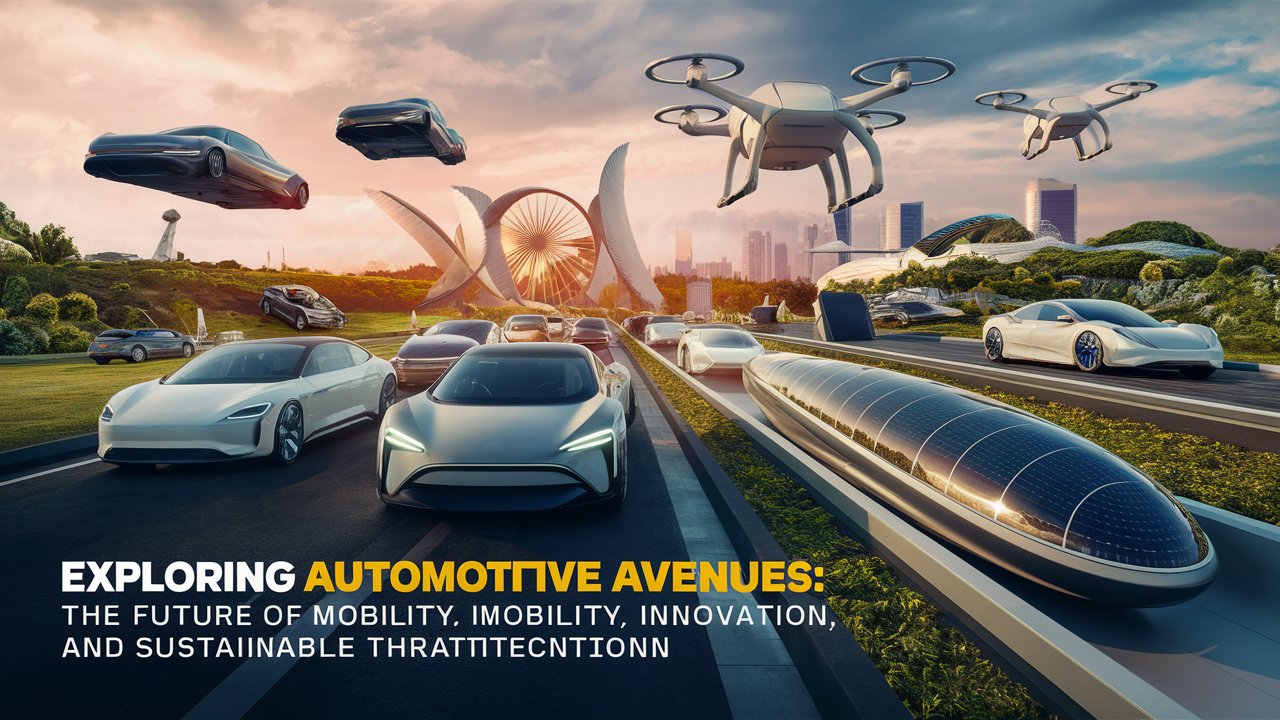
The automotive industry is undergoing a revolutionary transformation, and the concept of “automotive avenues” represents the diverse pathways shaping the future of mobility. From electric vehicles and autonomous driving to smart connectivity and sustainable manufacturing, automotive avenues encompass the innovations, technologies, and trends redefining how people move and interact with transportation. As global demand for cleaner, safer, and more efficient vehicles grows, automotive avenues are paving the way for a new era of intelligent mobility.
1. The Evolution of Automotive Avenues
Automotive avenues have evolved significantly since the invention of the first motor vehicle. Early automotive engineering focused primarily on mechanical performance and durability, but today’s automotive avenues extend far beyond traditional design and manufacturing. The industry now integrates advanced electronics, artificial intelligence, and sustainable materials to create vehicles that are not only efficient but also environmentally responsible. The evolution of automotive avenues reflects a shift from purely mechanical innovation to a holistic approach that combines technology, sustainability, and user experience. This transformation is shaping the future of transportation and redefining what it means to drive.
2. Electric Vehicles: The Green Automotive Avenue
One of the most prominent automotive avenues is the rise of electric vehicles (EVs). As concerns about climate change and fossil fuel dependency intensify, EVs have become a cornerstone of sustainable mobility. Electric vehicles produce zero tailpipe emissions, reducing air pollution and contributing to cleaner cities. Advances in battery technology, such as lithium-ion and solid-state batteries, have improved energy efficiency, driving range, and charging speed. Governments and manufacturers worldwide are investing heavily in EV infrastructure, including charging networks and renewable energy integration. The electric automotive avenue is not just a trend—it is a global movement toward a cleaner, greener future.
3. Autonomous Driving: The Smart Automotive Avenue
Autonomous driving represents another transformative automotive avenue that is reshaping the way people think about transportation. Self-driving vehicles use sensors, cameras, radar, and artificial intelligence to navigate roads safely without human intervention. This technology promises to reduce accidents caused by human error, improve traffic flow, and enhance accessibility for individuals unable to drive. Automotive engineers are developing advanced driver-assistance systems (ADAS) that serve as stepping stones toward full autonomy. While challenges such as safety regulations, ethical considerations, and cybersecurity remain, the autonomous automotive avenue continues to advance rapidly, bringing society closer to a future of intelligent, self-driving mobility.
4. Connectivity and Smart Mobility Solutions
Connectivity is a vital component of modern automotive avenues. Connected vehicles communicate with each other, infrastructure, and digital platforms to enhance safety, efficiency, and convenience. Vehicle-to-everything (V2X) communication enables real-time data exchange, allowing cars to anticipate hazards, optimize routes, and reduce congestion. Smart mobility solutions also include ride-sharing, carpooling, and mobility-as-a-service (MaaS) platforms that integrate various modes of transportation into a seamless digital ecosystem. The connected automotive avenue is transforming vehicles into intelligent devices that interact with their environment, creating a more efficient and user-friendly transportation network.
5. Sustainable Manufacturing and Eco-Friendly Materials
Sustainability is at the heart of modern automotive avenues. Manufacturers are adopting eco-friendly materials, energy-efficient production methods, and circular economy principles to minimize environmental impact. Lightweight materials such as aluminum, carbon fiber, and recycled plastics are being used to improve fuel efficiency and reduce emissions. Additionally, green manufacturing practices, including renewable energy use and waste reduction, are becoming standard across the industry. The sustainable automotive avenue emphasizes not only the environmental performance of vehicles but also the ethical and ecological responsibility of their production processes.
6. Artificial Intelligence and Data Analytics in Automotive Avenues
Artificial intelligence (AI) and data analytics are driving innovation across all automotive avenues. AI enables predictive maintenance, personalized driving experiences, and intelligent traffic management. Data collected from connected vehicles helps manufacturers improve design, safety, and performance. Machine learning algorithms analyze driving patterns to enhance fuel efficiency and optimize navigation. In autonomous vehicles, AI plays a critical role in decision-making and real-time response to environmental changes. The integration of AI into automotive avenues is transforming vehicles into adaptive, intelligent systems capable of learning and evolving with user behavior.
7. The Role of Infrastructure in Expanding Automotive Avenues
Infrastructure development is essential for the success of emerging automotive avenues. The widespread adoption of electric and autonomous vehicles depends on robust charging networks, smart roads, and advanced communication systems. Governments and private sectors are collaborating to build infrastructure that supports sustainable and connected mobility. Smart cities are integrating transportation systems with digital technologies to improve traffic management and reduce congestion. The expansion of infrastructure ensures that automotive avenues can thrive, providing reliable and efficient mobility solutions for future generations.
8. Challenges and Opportunities in Automotive Avenues
While automotive avenues offer immense potential, they also present challenges that must be addressed. The transition to electric and autonomous vehicles requires significant investment, regulatory adaptation, and consumer education. Cybersecurity threats, data privacy concerns, and supply chain disruptions pose additional risks. However, these challenges also create opportunities for innovation, collaboration, and growth. Companies that embrace change and invest in research and development will lead the next wave of automotive transformation. The key lies in balancing technological advancement with sustainability, safety, and accessibility.
9. The Future of Automotive Avenues
The future of automotive avenues is defined by convergence—where electrification, automation, connectivity, and sustainability intersect. Vehicles will become more than just modes of transport; they will evolve into intelligent, eco-friendly platforms that enhance daily life. Hydrogen fuel cells, renewable energy integration, and advanced AI systems will further revolutionize the industry. Collaboration between automakers, technology companies, and governments will be crucial in shaping policies and infrastructure that support innovation. The future automotive avenue is one of limitless potential, where technology and sustainability drive humanity toward a smarter, cleaner, and more connected world.
Conclusion
Automotive avenues represent the pathways leading the global transportation industry into a new era of innovation and sustainability. From electric mobility and autonomous driving to smart connectivity and eco-friendly manufacturing, these avenues are transforming how people move, live, and interact with technology. The evolution of automotive avenues reflects humanity’s pursuit of progress, efficiency, and environmental responsibility. As the industry continues to evolve, embracing these avenues will be essential for building a future where mobility is intelligent, inclusive, and sustainable. The road ahead is filled with opportunities, and automotive avenues are guiding the way toward a brighter, cleaner, and more connected tomorrow.
Frequently Asked Questions (FAQ)
1. What are automotive avenues?
Automotive avenues refer to the various pathways and innovations shaping the future of the automotive industry, including electric vehicles, autonomous driving, connectivity, and sustainable manufacturing.
2. Why are electric vehicles important in automotive avenues?
Electric vehicles are crucial because they reduce carbon emissions, improve energy efficiency, and promote sustainable transportation, making them a key component of modern automotive avenues.
3. How does artificial intelligence impact automotive avenues?
Artificial intelligence enhances vehicle safety, performance, and personalization by enabling predictive maintenance, autonomous driving, and intelligent data analysis.
4. What role does sustainability play in automotive avenues?
Sustainability ensures that vehicle production and operation minimize environmental impact through eco-friendly materials, renewable energy, and efficient manufacturing processes.
5. What is the future of automotive avenues?
The future of automotive avenues lies in the integration of electrification, automation, connectivity, and sustainability, creating a global ecosystem of intelligent and environmentally responsible mobility solutions.
6. How do connected vehicles fit into automotive avenues?
Connected vehicles use digital communication to interact with other vehicles and infrastructure, improving safety, traffic flow, and user experience within the broader framework of smart mobility.
7. What challenges do automotive avenues face?
Key challenges include infrastructure development, cybersecurity, regulatory adaptation, and consumer acceptance, all of which must be addressed to ensure successful implementation of new technologies.
