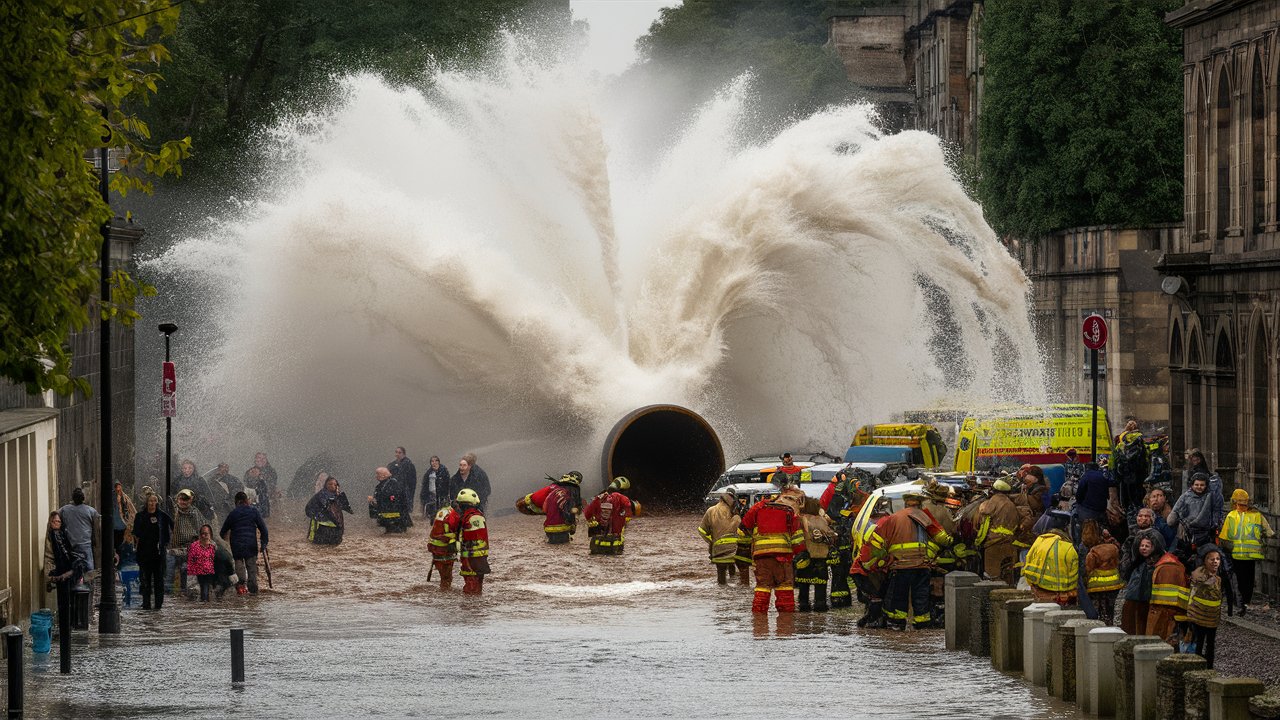
The glasgow water main break shettleston road has caused significant disruption to residents, businesses, and commuters in the area. The incident, which occurred unexpectedly, led to flooding, road closures, and temporary water supply interruptions across parts of the city’s East End. Water main breaks are not uncommon in older urban infrastructure, but when they occur in densely populated areas like Shettleston, the effects can be widespread.
Understanding the Glasgow Water Main Break on Shettleston Road
The glasgow water main break shettleston road occurred when a major underground pipe ruptured, releasing thousands of gallons of water onto the street. The force of the burst caused flooding that quickly spread across nearby roads and pavements, disrupting traffic and damaging sections of the roadway. Residents in the surrounding neighborhoods reported low water pressure or complete loss of supply as Scottish Water crews worked to isolate the damaged section of the network.
Causes Behind the Shettleston Road Water Main Break
While investigations are ongoing, early assessments suggest that the Glasgow water main break on Shettleston Road was likely caused by a combination of aging infrastructure and environmental stress. Changes in temperature, particularly during colder months, can cause the ground to expand and contract, putting additional pressure on the pipes.
Heavy rainfall and fluctuating water pressure can also contribute to pipe failures. In some cases, corrosion or material fatigue weakens the pipe walls, leading to sudden ruptures. Scottish Water engineers have emphasized that such incidents, while disruptive, are part of the ongoing challenges of maintaining a vast and complex water distribution network that serves hundreds of thousands of residents.
Impact on Residents and Businesses
The Shettleston Road water main break had a noticeable impact on local residents and businesses. Many households experienced reduced water pressure or temporary outages, affecting daily routines such as cooking, cleaning, and bathing. Businesses, particularly cafes, restaurants, and shops, faced interruptions in service due to the lack of running water and the closure of nearby roads.
Pedestrians also faced difficulties navigating flooded pavements and restricted areas. Despite these challenges, the community showed resilience, with neighbors assisting one another and local authorities providing updates and bottled water supplies to affected households.

Emergency Response and Repair Efforts
Scottish Water responded swiftly to the Glasgow water main break on Shettleston Road, deploying engineers and emergency crews to the site within hours of the incident. Their first priority was to isolate the damaged section of the main to stop the flow of water and prevent further flooding.
Temporary water supplies were arranged for residents, and tankers were brought in to maintain pressure in the network. The repair process involved replacing the damaged section of pipe, testing the system for leaks, and restoring normal service as quickly as possible.
Infrastructure Challenges and Long-Term Solutions
The Shettleston Road water main break underscores the broader issue of aging infrastructure in Glasgow and other major cities across the UK. Replacing these pipes requires significant investment, planning, and coordination to minimize disruption to communities.
Scottish Water has been implementing long-term infrastructure improvement programs aimed at modernizing the city’s water network. These include replacing old cast-iron pipes with more durable materials, improving leak detection systems, and using advanced monitoring technology to identify potential weaknesses before they lead to major failures. The Shettleston incident serves as a reminder of the importance of proactive maintenance and investment in essential public utilities.
Community Response and Support
In the aftermath of the Glasgow water main break on Shettleston Road, the local community demonstrated strong cooperation and support. Residents shared information online, offered assistance to vulnerable neighbors, and coordinated with local authorities to ensure everyone had access to clean water. Community centers and local businesses also stepped in to provide temporary relief, glasgow water main break shettleston road and offering facilities to those affected.
The incident highlighted the importance of community resilience during infrastructure emergencies. While technical teams worked tirelessly to restore normal service, the collective effort of residents and local organizations helped mitigate the impact of the disruption.
Conclusion
The glasgow water main break shettleston road serves as a powerful reminder of the challenges faced by urban infrastructure systems and the importance of maintaining and upgrading essential utilities. As Glasgow continues to modernize its water network, lessons learned from this event will contribute to building a more resilient and reliable system for the future.
Frequently Asked Questions (FAQ)
1. What caused the Glasgow water main break on Shettleston Road?
The break was likely caused by aging infrastructure combined with environmental factors such as ground movement and temperature changes.
2. How long did it take to repair the water main?
Repairs typically take several hours to a few days, depending on the extent of the damage and the accessibility of the affected pipe.
3. Were residents left without water during the incident?
Some residents experienced low water pressure or temporary outages, but Scottish Water provided alternative supplies and updates throughout the repair process.
4. Did the water main break cause flooding?
Yes, the rupture led to localized flooding on Shettleston Road and nearby areas, prompting temporary road closures and diversions.
5. How did Scottish Water respond to the incident?
Scottish Water deployed emergency crews immediately, isolated the damaged section, and began repairs while keeping the public informed.
6. What measures are being taken to prevent future water main breaks?
Scottish Water is investing in infrastructure upgrades, replacing old pipes, and using advanced monitoring systems to detect potential issues early.
7. How did the community respond to the water main break?
Residents and local businesses supported one another, shared information, and helped distribute bottled water to those affected.
8. Is Shettleston Road now open to traffic?
Once repairs were completed and safety checks were carried out, Shettleston Road was reopened to traffic, restoring normal access to the area.
9. What lessons were learned from this incident?
The event highlighted the need for continued investment in infrastructure, effective emergency response coordination, and strong community resilience.
10. Who should residents contact in case of future water supply issues?
Residents can contact Scottish Water’s emergency helpline or visit their official website for real-time updates and assistance.
