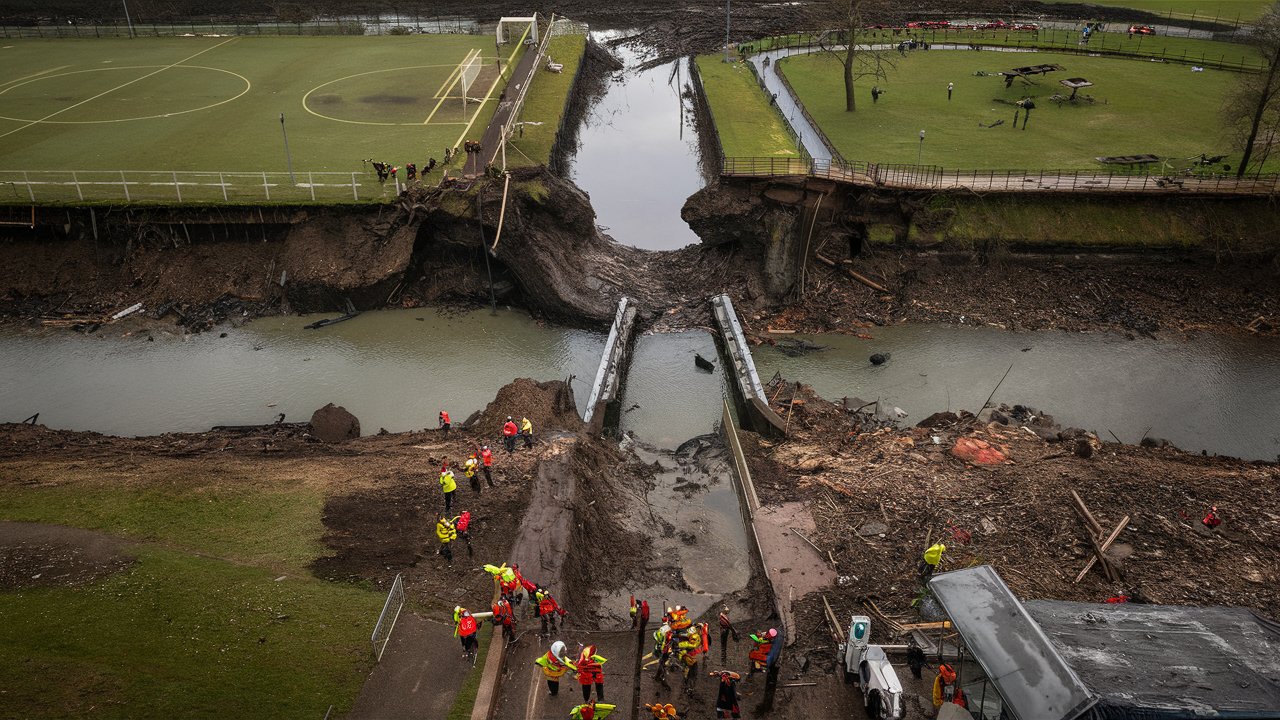
The riverbank collapse iford playing fields has raised serious environmental and safety concerns among local residents, environmental agencies, and the Bournemouth, Christchurch, and Poole (BCP) Council. The incident, which occurred along the River Stour, has not only damaged parts of the popular recreational area but also highlighted the growing risks of erosion and flooding in the region. Iford Playing Fields, known for its scenic walking paths, sports facilities, and community events, has long been a cherished green space for locals. However, the recent collapse has disrupted access, threatened nearby infrastructure, and sparked discussions about long-term river management and climate resilience.
Understanding the Riverbank Collapse at Iford Playing Fields
The Iford Playing Fields riverbank collapse occurred after a riverbank collapse iford playing fields river levels, which weakened the soil structure along the River Stour. The saturated ground, combined with the natural flow of the river, caused sections of the bank to give way, leading to visible cracks, slippage, and the loss of vegetation. In some areas, the erosion extended dangerously close to footpaths and recreational zones, prompting authorities to cordon off affected sections for public safety.
Experts believe that the collapse was the result of a combination of natural and human factors. Continuous rainfall, fluctuating water levels, and the gradual degradation of soil stability all contributed to the failure. Additionally, the absence of deep-rooted vegetation in certain areas may have accelerated the erosion process. The incident serves as a stark reminder of how climate change and extreme weather patterns are increasing the frequency and severity of such environmental events.
Causes Behind the Iford Playing Fields Riverbank Collapse
The riverbank collapse at Iford Playing Fields can be attributed to several interrelated causes. The primary factor is hydrological pressure—the force exerted by rising water levels during prolonged rainfall. When the river swells, it saturates the soil, reducing its ability to hold together. Over time, this leads to slippage and eventual collapse.
Another contributing factor is soil composition. The banks of the River Stour consist of a mix of clay, sand, and silt, which are highly susceptible to erosion when exposed to continuous water flow. Without sufficient vegetation to anchor the soil, the riverbank becomes unstable. Human activities, such as foot traffic, maintenance work, and nearby construction, can also disturb the natural balance of the riverbank, making it more vulnerable to collapse.
Climate change plays a significant role as well. The increasing frequency of intense rainfall events and fluctuating river levels has placed additional stress on natural landscapes.
Environmental and Community Impact
The Iford Playing Fields riverbank collapse has had a noticeable impact on both the environment and the local community. Environmentally, the collapse has led to the loss of vegetation and wildlife habitats along the river’s edge. The exposed soil and debris have also increased sediment levels in the River Stour, potentially affecting water quality and aquatic life.
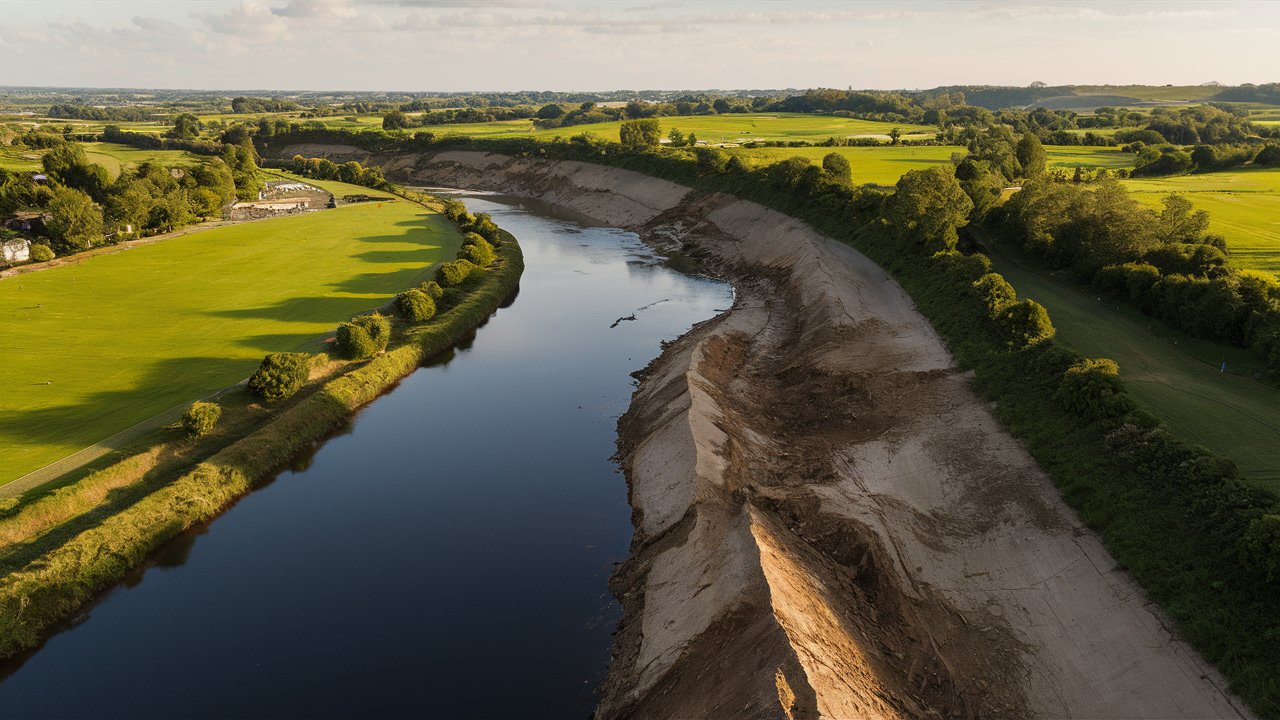
For the community, the collapse has disrupted access to popular walking and cycling routes that run alongside the river. The incident has also raised awareness about the importance of sustainable land management and the need for investment in flood prevention and riverbank stabilization projects.
Response from Authorities and Restoration Plans
Following the riverbank collapse at Iford Playing Fields, the BCP Council and the Environment Agency quickly assessed the site to determine the extent of the damage and the necessary steps for repair.
The restoration plan includes reinforcing the affected sections with natural materials such as coir rolls, willow spiling, and rock armor to stabilize the soil and prevent further erosion. These eco-friendly methods not only strengthen the riverbank but also promote the growth of vegetation that can provide long-term stability.
Authorities have also emphasized the importance of community involvement in the restoration process. Local environmental groups and volunteers are expected to participate in replanting efforts once the area is deemed safe. The goal is to restore Iford Playing Fields to its former condition while enhancing its resilience against future environmental challenges.
The Role of Climate Change and Urban Development
The Iford Playing Fields riverbank collapse cannot be viewed in isolation—it reflects a broader pattern of environmental stress caused by climate change and urban development. As rainfall becomes more intense and unpredictable, rivers across the UK are experiencing increased erosion and flooding. Urbanization further exacerbates the problem by reducing natural drainage areas and increasing surface runoff.
In the case of Iford, nearby developments and infrastructure may have altered the natural flow of water, placing additional pressure on the riverbank. Experts argue that sustainable urban planning and investment in green infrastructure are essential to prevent similar incidents in the future. Measures such as creating buffer zones, restoring wetlands, and improving drainage systems can help absorb excess water and reduce erosion risks.
Community Awareness and Future Prevention
The riverbank collapse at Iford Playing Fields has prompted renewed discussions about environmental awareness and community preparedness. Local riverbank collapse iford playing fields inspections of riverbanks, better communication from authorities, and more investment in preventive maintenance.
Future prevention efforts will likely focus on a combination of engineering solutions and natural restoration techniques. By integrating modern technology with ecological principles, authorities can create a more sustainable and resilient river system that benefits both people and the environment.
Conclusion
The riverbank collapse iford playing fields serves as a powerful reminder of the delicate balance between nature and human activity. While the incident caused temporary disruption and environmental damage, it also highlighted the importance of proactive management, community cooperation, and sustainable planning. As restoration efforts continue, the focus remains on rebuilding the area in a way that enhances its natural resilience and preserves its role as a vital community space. With the right combination of engineering expertise, environmental stewardship, and public engagement, Iford Playing Fields can emerge stronger and more sustainable than before.
Frequently Asked Questions (FAQ)
1. What caused the riverbank collapse at Iford Playing Fields?
The collapse was primarily caused by heavy rainfall, soil saturation, and erosion along the River Stour, compounded by aging infrastructure and environmental stress.
2. Was anyone injured during the incident?
No injuries were reported. Authorities quickly cordoned off the affected area to ensure public safety.
3. How has the collapse affected local residents?
Residents have experienced restricted access to walking paths and recreational areas, but safety measures and restoration plans are underway.
4. What steps are being taken to repair the riverbank?
The BCP Council and Environment Agency are reinforcing the riverbank using natural stabilization methods such as willow spiling and rock armor.
5. Could this happen again in the future?
Without preventive measures, similar incidents could occur. However, planned improvements and monitoring systems aim to reduce future risks.
6. What role does climate change play in riverbank collapses?
Climate change increases the frequency of heavy rainfall and flooding, which weakens soil structures and accelerates erosion.
7. How can the community help?
Residents can support restoration efforts by participating in replanting projects, staying informed, and avoiding restricted areas during repairs.
