
The authority for electricity regulation plays a vital role in shaping the energy landscape of any nation. As electricity becomes the backbone of modern economies, the need for transparent, efficient, and sustainable regulation has never been greater. This authority is responsible for overseeing the generation, transmission, distribution, and pricing of electricity to ensure that consumers receive reliable power at fair rates while maintaining environmental and economic balance. By setting standards, monitoring compliance, and promoting competition, the authority for electricity regulation ensures that the energy sector operates efficiently and equitably.
What is the Authority for Electricity Regulation?
The authority for electricity regulation is a government-established body that supervises and controls the electricity sector within a country or region. Its primary objective is to ensure that electricity services are provided safely, efficiently, and at reasonable prices. This authority acts as an independent regulator, balancing the interests of consumers, utility companies, and the government. It develops policies, enforces laws, and issues licenses to electricity providers. Additionally, it monitors market performance, ensures fair competition, and protects consumers from exploitation. The authority also plays a crucial role in promoting renewable energy integration, energy efficiency, and sustainable development.
Key Functions of the Authority for Electricity Regulation
The functions of the authority for electricity regulation are diverse and essential for maintaining a stable and transparent energy market. One of its main responsibilities is tariff regulation, which involves setting electricity prices that reflect production costs while ensuring affordability for consumers. The authority also oversees licensing and compliance, granting operational permits to power producers and distributors while ensuring adherence to safety and quality standards. Another critical function is market monitoring, where the authority prevents monopolistic practices and encourages fair competition among energy providers. It also manages consumer protection, addressing complaints, ensuring service reliability, and promoting transparency in billing. Furthermore, the authority supports policy development by advising the government on energy reforms, renewable energy adoption, and infrastructure investments.
Importance of the Authority for Electricity Regulation
The importance of the authority for electricity regulation lies in its ability to maintain balance and fairness in the energy sector. Without proper regulation, electricity markets could become unstable, leading to price manipulation, poor service quality, and environmental degradation. The authority ensures that electricity providers operate efficiently and responsibly, safeguarding consumer interests while promoting industry growth. It also plays a key role in attracting investment by creating a predictable and transparent regulatory environment. Moreover, the authority supports national energy security by ensuring that power generation and distribution systems are resilient and capable of meeting growing demand. By promoting renewable energy and energy efficiency, it contributes to environmental sustainability and the reduction of carbon emissions.
Structure and Governance of the Authority for Electricity Regulation
The structure of the authority for electricity regulation typically includes a board of commissioners, a chairperson, and specialized departments responsible for various aspects of regulation. These departments may include tariff management, licensing, compliance, consumer affairs, and renewable energy promotion. The authority operates independently from political influence to ensure impartial decision-making. Its governance framework is guided by national energy laws and international best practices. Transparency and accountability are maintained through public consultations, annual reports, and stakeholder engagement. This structure allows the authority to function effectively, ensuring that decisions are based on technical expertise and public interest rather than political or corporate pressure.
Role of the Authority for Electricity Regulation in Promoting Renewable Energy
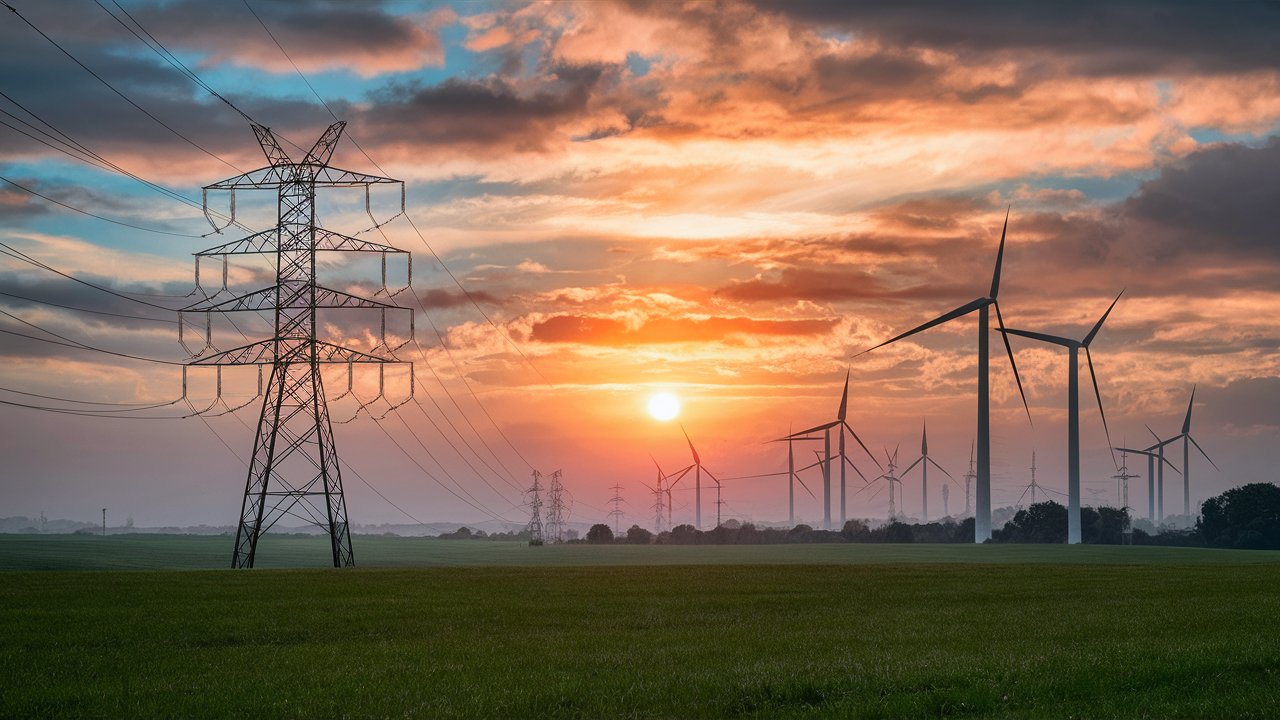
The authority for electricity regulation plays a pivotal role in advancing renewable energy initiatives. As the world transitions toward cleaner energy sources, regulatory authorities are responsible for creating policies and incentives that encourage investment in solar, wind, hydro, and biomass energy. They establish feed-in tariffs, net metering systems, and renewable portfolio standards to promote the adoption of green technologies. The authority also ensures that renewable energy projects are integrated into the national grid efficiently and safely. By supporting innovation and sustainability, the authority helps reduce dependence on fossil fuels, lower greenhouse gas emissions, and contribute to global climate goals.
Consumer Protection and the Authority for Electricity Regulation
One of the most critical responsibilities of the authority for electricity regulation is protecting consumer rights. Electricity is an essential service, and consumers must be assured of fair pricing, reliable supply, and transparent billing. The authority enforces regulations that prevent unfair practices such as overcharging, service disconnections without notice, or poor-quality supply. It also establishes mechanisms for dispute resolution, allowing consumers to file complaints and seek redress. Public awareness campaigns are often conducted to educate consumers about their rights and responsibilities. Through these efforts, the authority builds trust between electricity providers and the public, ensuring that the energy sector operates with integrity and accountability.
Challenges Faced by the Authority for Electricity Regulation
Despite its importance, the authority for electricity regulation faces several challenges in fulfilling its mandate. One major challenge is balancing affordability with sustainability. Setting tariffs that are fair to consumers while ensuring that utility companies remain financially viable can be complex. Another challenge is managing the integration of renewable energy sources, which require significant infrastructure upgrades and grid modernization. Regulatory authorities also face pressure from political and corporate interests, which can compromise their independence. Additionally, rapid technological advancements in energy storage, smart grids, and decentralized generation require continuous adaptation of regulatory frameworks. Addressing these challenges requires strong leadership, technical expertise, and collaboration with stakeholders across the energy sector.
The Future of Electricity Regulation
The future of electricity regulation is evolving rapidly as the global energy landscape transforms. The rise of digital technologies, renewable energy, and decentralized power generation is reshaping how electricity is produced, distributed, and consumed. Regulatory authorities must adapt by developing flexible policies that encourage innovation while maintaining stability. The future will likely see greater emphasis on smart grids, energy storage, and consumer participation in energy markets. Authorities will also need to strengthen cybersecurity measures to protect critical infrastructure. As sustainability becomes a global priority, the authority for electricity regulation will play a central role in guiding the transition toward cleaner, smarter, and more resilient energy systems.
Conclusion
The authority for electricity regulation serves as the cornerstone of a fair, efficient, and sustainable energy sector. By overseeing pricing, licensing, consumer protection, and renewable energy integration, it ensures that electricity services meet the needs of both present and future generations. Its role in maintaining transparency, promoting competition, and supporting innovation is essential for national development and environmental preservation. As the world moves toward a cleaner and more digital energy future, the authority for electricity regulation will continue to be a key driver of progress, ensuring that the power sector remains reliable, equitable, and sustainable for all.
Frequently Asked Questions (FAQ)
1. What is the main purpose of the authority for electricity regulation?
The main purpose is to oversee and regulate the electricity sector to ensure fair pricing, reliable supply, consumer protection, and sustainable energy development.
2. How does the authority for electricity regulation protect consumers?
It enforces rules against unfair practices, ensures transparent billing, provides complaint resolution mechanisms, and monitors service quality to safeguard consumer interests.
3. Why is electricity regulation important for the economy?
Electricity regulation ensures stable energy supply, fair competition, and investment security, all of which are essential for economic growth and industrial development.
4. How does the authority promote renewable energy?
It creates policies, incentives, and tariffs that encourage investment in renewable energy projects and ensures their integration into the national grid.
5. What challenges do electricity regulatory authorities face?
They face challenges such as balancing affordability with sustainability, managing renewable integration, maintaining independence, and adapting to technological advancements.
