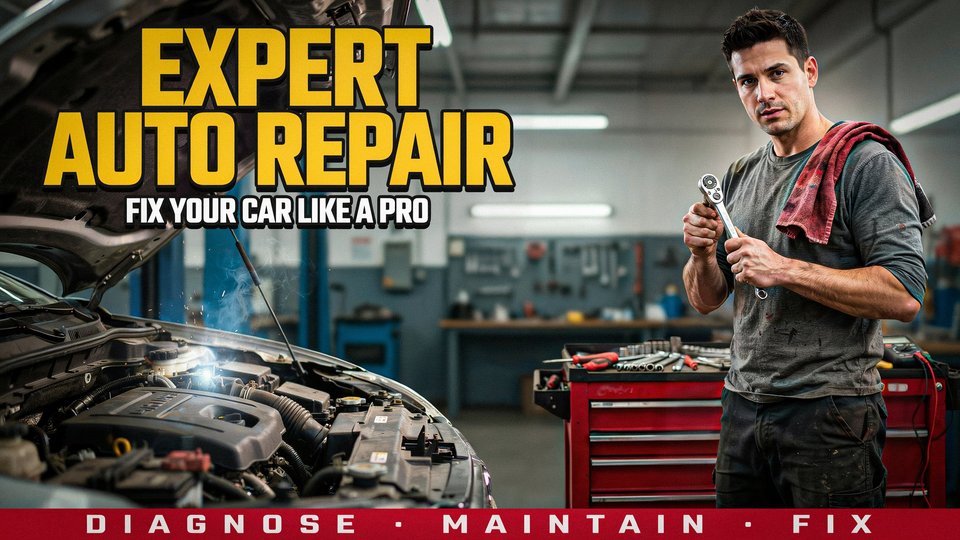
Auto repair is an essential aspect of vehicle ownership that ensures safety, performance, and longevity. Whether dealing with routine maintenance or unexpected breakdowns, understanding the fundamentals of auto repair can save time, money, and stress. This comprehensive guide explores everything from common car problems and preventive maintenance to professional repair tips and cost-saving strategies. By mastering these insights, vehicle owners can make informed decisions and keep their cars running smoothly for years.
1. Understanding the Importance of Auto Repair
Auto repair is more than just fixing a broken part it’s about maintaining the overall health of a vehicle. Regular inspections and timely repairs prevent minor issues from escalating into major problems. For instance, ignoring a small oil leak can lead to engine damage, while neglecting brake maintenance can compromise safety. Professional auto repair services use diagnostic tools to identify underlying issues, ensuring that vehicles operate efficiently and safely. Investing in regular maintenance not only extends the lifespan of a car but also enhances fuel efficiency and resale value.
2. Common Auto Repair Services Every Vehicle Needs
Every vehicle requires periodic maintenance and repair services to function optimally. Some of the most common auto repair services include oil changes, brake repairs, tire rotations, battery replacements, and engine diagnostics. Oil changes keep the engine lubricated and prevent overheating, while brake repairs ensure safe stopping power. Tire rotations promote even wear, extending tire life and improving fuel economy. Battery replacements and diagnostics help detect electrical issues early, preventing unexpected breakdowns. Understanding these essential services allows car owners to schedule timely maintenance and avoid costly repairs.
3. Signs That Indicate the Need for Auto Repair
Recognizing early warning signs can prevent serious mechanical failures. Common indicators include unusual noises, vibrations, dashboard warning lights, and reduced performance. A squealing sound when braking may signal worn brake pads, while a knocking noise from the engine could indicate internal damage. Warning lights such as the check engine or oil pressure light should never be ignored, as they often point to critical issues. Additionally, poor fuel economy, difficulty starting, or smoke from the exhaust are signs that immediate auto repair is necessary. Addressing these symptoms promptly ensures safety and prevents further damage.
4. DIY Auto Repair vs. Professional Auto Repair Services
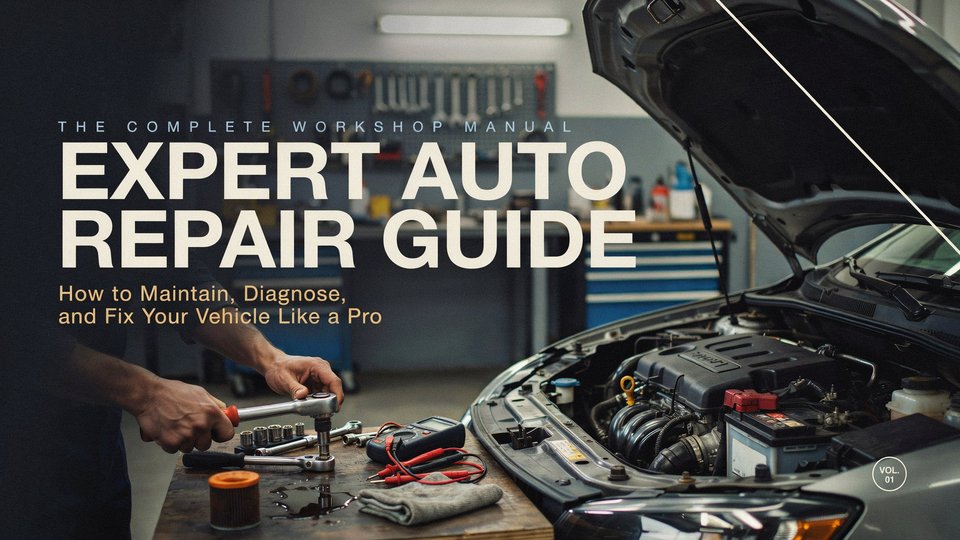
While some car owners prefer handling minor repairs themselves, professional auto repair services offer expertise and advanced diagnostic tools that ensure accuracy. DIY repairs can be cost-effective for simple tasks like changing air filters or replacing wiper blades. However, complex repairs involving the engine, transmission, or electrical systems require professional attention. Certified mechanics have the training and equipment to diagnose problems correctly and perform repairs safely. Choosing professional auto repair services also provides warranties on parts and labor, offering peace of mind and long-term reliability.
5. How to Choose the Right Auto Repair Shop
Selecting a trustworthy auto repair shop is crucial for quality service and fair pricing. Start by researching local repair shops, reading customer reviews, and checking auto repair certifications such as ASE (Automotive Service Excellence). A reputable shop provides transparent estimates, explains repairs clearly, and uses genuine parts. It’s also important to verify warranties and ask about turnaround times. Building a relationship with a reliable mechanic ensures consistent service and honest advice. Choosing the right auto repair shop not only guarantees quality workmanship but also helps maintain the vehicle’s performance and safety.
6. Cost-Saving Tips for Auto Repair and Maintenance
Auto repair costs can add up quickly, but strategic maintenance can significantly reduce expenses. Regularly checking fluid levels, tire pressure, and filters helps prevent costly breakdowns. Scheduling routine inspections allows mechanics to catch issues early before they become expensive repairs. Comparing quotes from multiple repair shops ensures competitive pricing. Additionally, using high-quality parts and following the manufacturer’s maintenance schedule can extend the life of vehicle components. Investing in preventive maintenance is the most effective way to save money on auto repair in the long run.
7. The Future of Auto Repair: Technology and Innovation
The auto repair industry is evolving rapidly with advancements in technology. Modern vehicles are equipped with complex computer systems that require specialized diagnostic tools. Electric and hybrid vehicles have introduced new repair challenges, demanding updated training for technicians. Innovations such as predictive maintenance, AI diagnostics, and mobile repair services are transforming how auto repair is performed. These technologies enhance accuracy, reduce downtime, and improve customer convenience. Staying informed about these trends helps vehicle owners and repair professionals adapt to the changing automotive landscape.
Conclusion
Auto repair is a vital part of responsible vehicle ownership. From routine maintenance to advanced diagnostics, understanding how to care for a car ensures safety, reliability, and efficiency. Choosing the right auto repair shop, recognizing warning signs, and investing in preventive maintenance can save significant time and money. As technology continues to shape the automotive auto repair industry, staying informed about modern repair techniques will help vehicle owners make smarter decisions. A well-maintained car not only performs better but also provides peace of mind on every journey.
Frequently Asked Questions (FAQ)
1. How often should a car be serviced?
Most vehicles should be serviced every 5,000 to 7,500 miles, depending on the manufacturer’s recommendations and driving conditions.
2. What are the most common auto repair issues?
Common issues include brake wear, oil leaks, battery failure, tire damage, and engine misfires.
3. Is it cheaper to repair or replace a car?
If repair costs exceed the car’s value or frequent breakdowns occur, replacement may be more cost-effective. Otherwise, timely repairs can extend a vehicle’s lifespan.
4. How can auto repair costs be reduced?
Regular maintenance, comparing quotes, and addressing small issues early can significantly lower repair expenses.
5. What should be checked during routine maintenance?
Routine maintenance should include oil changes, brake inspections, tire rotations, fluid checks, and battery testing to ensure optimal performance.
