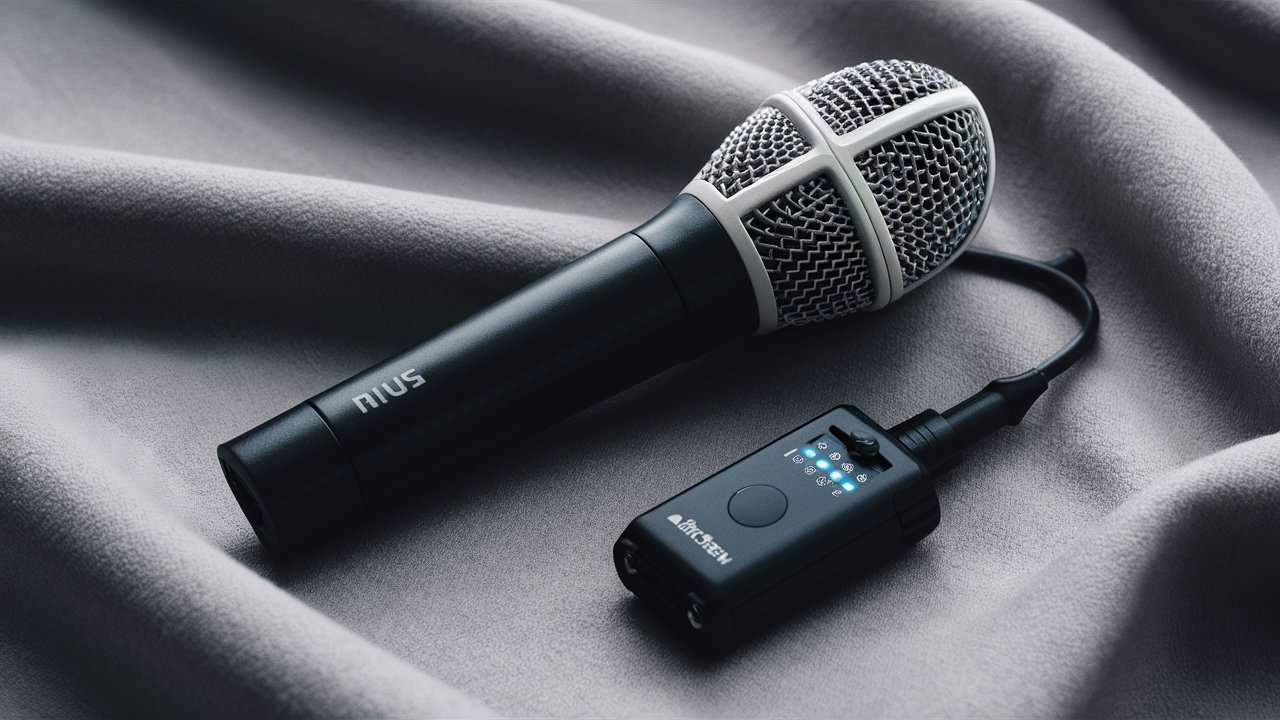
In the world of content creation, filmmaking, podcasting, and live presentations, audio quality is just as important as video clarity. A wireless lavalier microphone, also known as a lapel mic, has become an essential tool for professionals and enthusiasts who want crisp, clear, and hands-free sound recording. Unlike traditional wired microphones, a wireless lavalier microphone offers freedom of movement, making it ideal for interviews, vlogs, stage performances, and online teaching. With advancements in wireless technology, these compact microphones now deliver studio-quality sound without the hassle of tangled cables.
What Is a Wireless Lavalier Microphone?
A wireless lavalier microphone is a small, clip-on microphone that transmits audio signals wirelessly to a receiver connected to a camera, smartphone, or audio recorder. It typically consists of three main components: the lavalier mic itself, a transmitter that sends the signal, and a receiver that captures it. The microphone is discreetly attached to clothing, allowing the speaker to move freely while maintaining consistent audio quality. Wireless lavalier microphone use radio frequencies or Bluetooth technology to transmit sound, eliminating the need for physical cables. They are widely used in broadcasting, filmmaking, public speaking, and online content creation because of their convenience, portability, and professional-grade sound output.
Benefits of Using a Wireless Lavalier Microphone
The primary advantage of a wireless lavalier microphone is mobility. Users can move naturally without being restricted by cables, which is especially beneficial for presenters, fitness instructors, and performers. These microphones also provide consistent sound levels since they remain close to the speaker’s mouth, regardless of movement. Another major benefit is their compact and lightweight design, which makes them easy to conceal and comfortable to wear for extended periods wireless lavalier microphone also reduce background noise and capture clear, focused audio, making them ideal for outdoor shoots or noisy environments. For content creators, this means less time spent editing and more time producing high-quality videos or podcasts.
How a Wireless Lavalier Microphone Works
A wireless lavalier microphone operates by converting sound waves into electrical signals, which are then transmitted wirelessly to a receiver. The transmitter, usually clipped to a belt or hidden in a pocket, sends the signal via radio frequency (RF) or Bluetooth. The receiver, connected to a recording device or camera, decodes the signal and converts it back into audio. Modern wireless lavalier microphone use digital transmission to minimize interference and maintain high fidelity. Some advanced models feature automatic frequency selection, ensuring stable connections even in crowded environments. The result is seamless, high-quality audio transmission that remains synchronized with video recordings.
Types of Wireless Lavalier Microphones
There are several types of wireless lavalier microphones, each designed for specific applications. UHF (Ultra High Frequency) microphones are known for their long range and stable signal, making them ideal for professional use in large venues or outdoor settings. VHF (Very High Frequency) microphones are more affordable and suitable for smaller spaces but may be prone to interference. Digital wireless lavalier microphone use advanced technology to deliver crystal-clear sound with minimal latency, perfect for video production and live streaming. Bluetooth lavalier microphones are compact and convenient for smartphone users, offering easy pairing and portability. Choosing the right type depends on the intended use, budget, and required audio quality.
Choosing the Best Wireless Lavalier Microphone
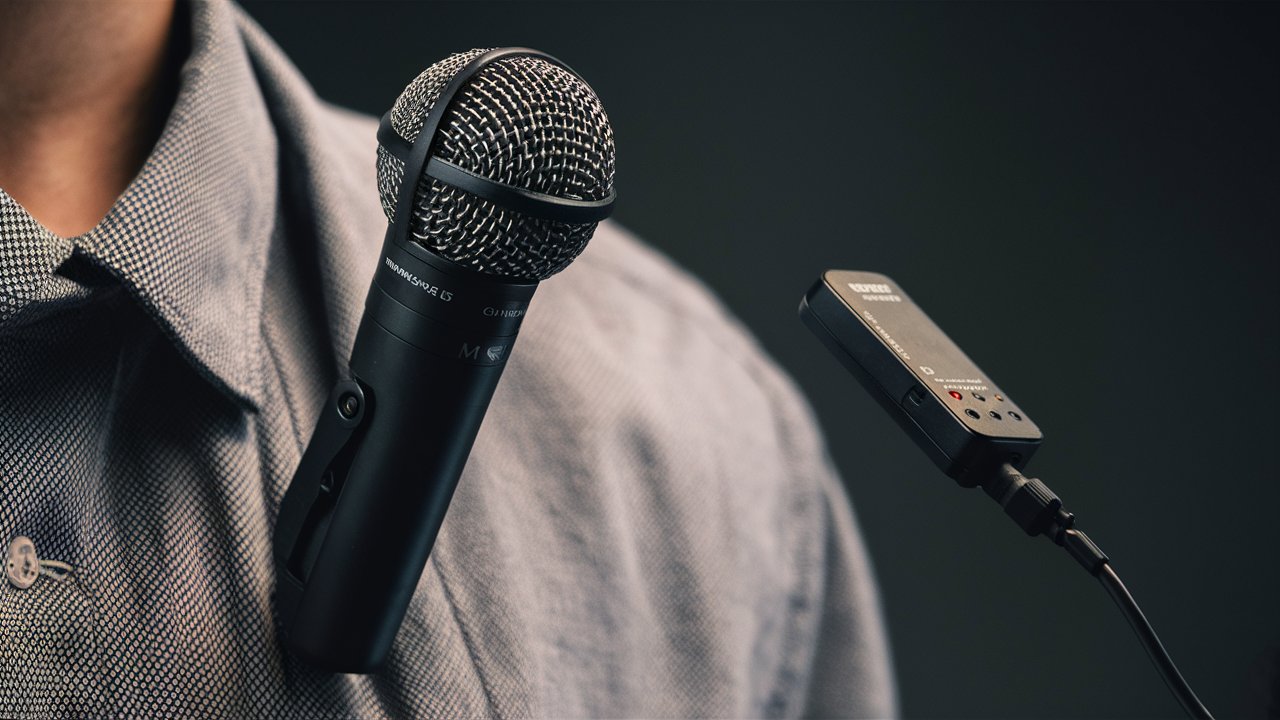
Selecting the best wireless lavalier microphone involves evaluating several key factors. Sound quality should be the top priority—look for microphones with wide frequency response and low noise levels. Range and connectivity are also crucial; ensure the system can maintain a stable connection over the required distance. Battery life determines how long the microphone can operate during shoots or events, so opt for models with rechargeable batteries and long runtime. Compatibility with cameras, smartphones, or audio interfaces is essential for seamless integration. Additionally, consider build quality and portability, especially for outdoor or travel use. Reputable brands like Rode, Sennheiser, Shure, and DJI offer reliable wireless lavalier microphones that cater to both beginners and professionals.
Best Wireless Lavalier Microphones for Content Creators
For content creators, vloggers, and educators, certain wireless lavalier microphones stand out for their performance and ease of use. The Rode Wireless GO II is a popular choice, offering dual-channel recording, compact design, and excellent sound clarity. The DJI Mic provides impressive range, intuitive controls, and built-in storage for on-the-go recording. The Sennheiser XSW-D Portable Lavalier Set delivers professional-grade audio with minimal setup, while the Shure MVL is a great option for mobile creators seeking simplicity and quality. Each of these models combines portability, reliability, and superior sound, making them ideal for YouTube videos, interviews, and online courses.
How to Use a Wireless Lavalier Microphone Effectively
To get the best results from a wireless lavalier microphone, proper placement and setup are essential. The microphone should be clipped about six to eight inches below the speaker’s mouth, typically on the collar or lapel, to capture natural sound without distortion. Avoid placing it too close to the mouth, as this can cause popping or muffled audio. Ensure that the transmitter and receiver are on the same frequency and that there are no obstructions between them. Monitoring audio levels during recording helps prevent clipping or background noise. For outdoor use, attach a windscreen or foam cover to reduce wind interference. Regularly checking battery levels and signal strength ensures uninterrupted performance.
Maintenance and Care for Wireless Lavalier Microphones
Proper maintenance extends the lifespan and performance of a wireless lavalier microphone. After each use, wipe the microphone and cables with a soft, dry cloth to remove sweat or dust. Store the equipment in a protective case to prevent damage during transport. Avoid exposing the microphone to extreme temperatures or moisture, as this can affect sound quality and battery life. Periodically check connectors and cables for wear and replace them if necessary. Keeping firmware updated on digital models ensures optimal performance and compatibility. With consistent care, a high-quality wireless lavalier microphone can deliver reliable audio for years.
Conclusion
A wireless lavalier microphone is an indispensable tool for anyone seeking professional-quality audio with maximum convenience. Its compact design, freedom of movement, and superior sound clarity make it ideal for a wide range of applications—from filmmaking and broadcasting to online teaching and live events. Understanding how these microphones work, the different types available, and how to choose the right one ensures the best possible results. As technology continues to evolve, wireless lavalier microphone are becoming more affordable and accessible, empowering creators to produce content that sounds as good as it looks. Investing in a reliable wireless lavalier microphone is a step toward achieving clear, consistent, and professional audio in every project.
Frequently Asked Questions (FAQ)
1. What is the difference between a lavalier microphone and a regular microphone?
A lavalier microphone is a small, clip-on mic designed for hands-free use, while a regular microphone is typically handheld or mounted on a stand. Lavalier mics are ideal for mobility and discreet recording.
2. How far can a wireless lavalier microphone transmit?
Transmission range varies by model. Professional UHF systems can reach up to 300 feet or more, while Bluetooth lavalier microphones typically have a range of 30 to 50 feet.
3. Can a wireless lavalier microphone connect to a smartphone?
Yes, many modern wireless lavalier microphones are compatible with smartphones through Bluetooth or adapters. Always check compatibility before purchasing.
4. How long does the battery last on a wireless lavalier microphone?
Battery life depends on the model and usage. Most wireless lavalier microphones offer between 5 to 10 hours of continuous operation, with some premium models lasting even longer.
5. Are wireless lavalier microphones good for outdoor recording?
Yes, they are excellent for outdoor use when equipped with wind protection. Choosing a model with strong signal stability and interference resistance ensures clear audio even in open environments.
