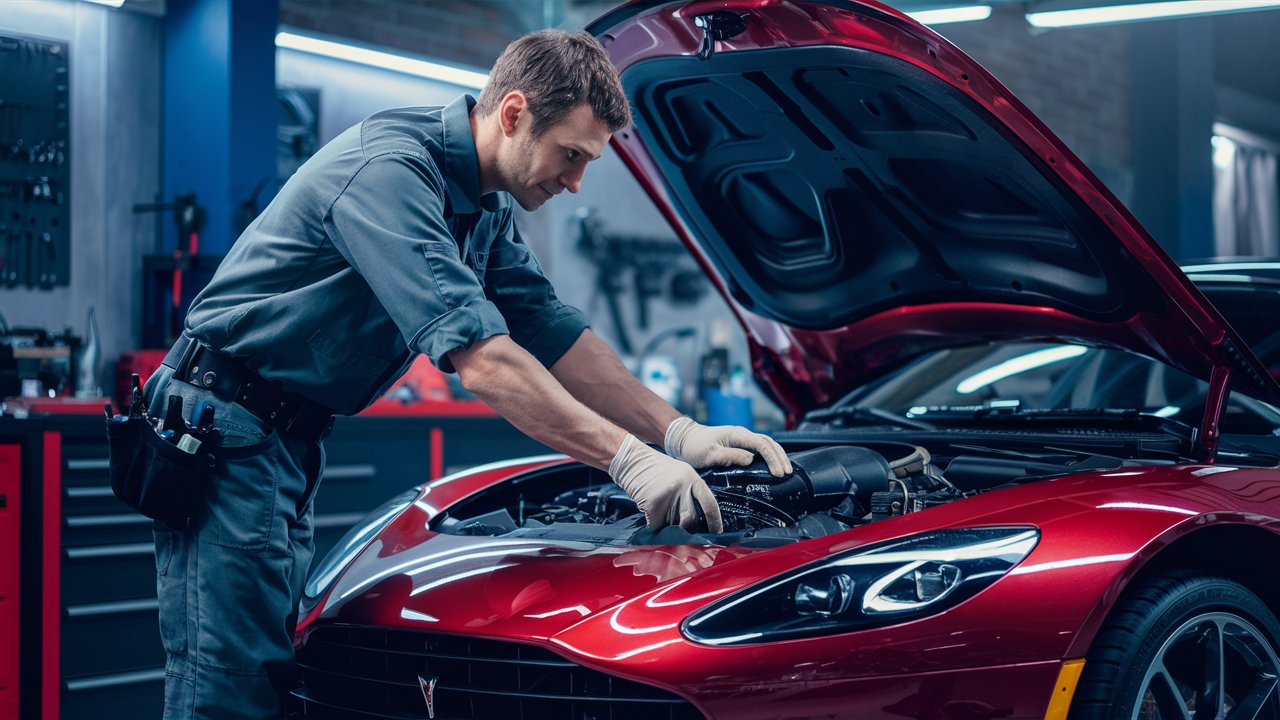
Automotive service is the backbone of vehicle reliability, safety, and performance. Every car, regardless of make or model, requires regular maintenance and timely repairs to function efficiently. The automotive service industry encompasses a wide range of activities, including oil changes, brake inspections, tire rotations, engine diagnostics, and advanced electronic repairs. With the rapid evolution of automotive technology, modern vehicles now rely heavily on computerized systems, making professional automotive service more essential than ever. Understanding the importance of automotive service, the types available, and how to choose the right service provider can help extend a vehicle’s lifespan, improve fuel efficiency, and ensure a safe driving experience.
What Is Automotive Service?
Automotive service refers to the inspection, maintenance, and repair of vehicles to ensure they operate safely and efficiently. It includes both preventive maintenance—such as oil changes, fluid checks, and tire balancing—and corrective repairs like fixing engine issues, replacing worn-out parts, or addressing electrical faults. Automotive service centers employ skilled technicians who use diagnostic tools and specialized equipment to identify and resolve mechanical or electronic problems.
The goal of automotive service is not only to fix existing issues but also to prevent potential breakdowns. Regular servicing helps detect minor problems before they escalate into major repairs, saving time and money in the long run. Whether it’s a routine check-up or a complex engine overhaul, automotive service plays a crucial role in maintaining vehicle performance and reliability.
Importance of Regular Automotive Service
Regular automotive service is vital for maintaining the health and longevity of a vehicle. Over time, components such as filters, fluids, and belts wear out or degrade, affecting performance and fuel efficiency. Routine maintenance ensures that these parts are replaced or serviced at the right intervals, preventing costly breakdowns.
Moreover, consistent enhances safety. Faulty brakes, worn tires, or malfunctioning lights can lead to accidents if not addressed promptly. Regular inspections help identify these issues early, ensuring that the vehicle remains roadworthy. Additionally, well-maintained vehicles retain higher resale value, as buyers are more likely to trust cars with documented service histories. In essence is an investment in both safety and long-term savings.
Types of Automotive Services
The automotive service industry offers a wide range of services tailored to different vehicle needs. Understanding these categories helps vehicle owners choose the right service at the right time.
1. Preventive Maintenance Services
Preventive maintenance includes routine tasks designed to keep a vehicle running smoothly. This category covers oil and filter changes, tire rotations, fluid top-ups, and battery checks. These services are typically performed at regular intervals based on mileage or time. Preventive maintenance reduces wear and tear, improves fuel efficiency, and extends the lifespan of critical components.
2. Diagnostic and Repair Services
Modern vehicles are equipped with advanced sensors and onboard computers that monitor performance. When a warning light appears on the dashboard, diagnostic services help identify the root cause. Technicians use specialized tools to read error codes and determine whether the issue lies in the engine, transmission, or electrical system. Once diagnosed, repair services address the problem, whether it involves replacing parts, fixing leaks, or recalibrating systems.
3. Tire and Brake Services
Tires and brakes are among the most critical safety components of any vehicle. Automotive service centers offer tire balancing, alignment, rotation, and replacement to ensure even wear and optimal traction. Brake services include pad replacement, rotor resurfacing, and fluid checks. Regular tire and brake maintenance not only enhances safety but also improves handling and fuel economy.
4. Engine and Transmission Services
The engine and transmission are the heart of any vehicle. Automotive service for these components includes tune-ups, fluid changes, gasket replacements, and performance diagnostics. Transmission services are particularly important, as neglecting fluid changes or minor leaks can lead to costly repairs. Keeping these systems in top condition ensures smooth acceleration, efficient power delivery, and reduced emissions.
5. Electrical and Electronic System Services
Modern vehicles rely heavily on electronic systems for everything from ignition to navigation. Automotive service centers provide diagnostics and repairs for alternators, starters, batteries, and onboard computers. Technicians also handle issues related to lighting, sensors, and infotainment systems. As vehicles become more technologically advanced, electrical services have become a core part of automotive maintenance.

How to Choose the Right Automotive Service Center
Selecting the right automotive service provider is crucial for quality maintenance and repairs. A reputable service center should have certified technicians, transparent pricing, and a strong reputation for customer satisfaction. Look for facilities that use genuine parts and follow manufacturer-recommended procedures.
Online reviews and word-of-mouth recommendations can help identify trustworthy service centers. Additionally, many modern workshops offer digital service records and reminders, making it easier to track maintenance schedules. Choosing a service center that provides warranties on parts and labor ensures peace of mind and long-term reliability.
The Role of Technology in Modern Automotive Service
Technology has revolutionized the automotive service industry. Advanced diagnostic tools, computerized systems, and AI-driven analytics now allow technicians to identify issues with greater accuracy and speed. Modern vehicles are equipped with sensors that continuously monitor performance, sending real-time data to service centers for predictive maintenance.
Electric and hybrid vehicles have introduced new challenges and opportunities. Specialized training and equipment are required to handle high-voltage systems safely. Additionally, software updates and calibration have become routine aspects of servicing modern cars. The integration of technology ensures that automotive service remains efficient, precise, and aligned with the evolving needs of the automotive industry.
Benefits of Professional Automotive Service
Professional automotive service offers numerous benefits beyond basic maintenance. Certified technicians possess the expertise to handle complex systems and ensure that repairs meet manufacturer standards. Professional service centers also use high-quality parts and fluids, which enhance performance and durability.
Another key advantage is the assurance of safety and reliability. Professional inspections can uncover hidden issues that might go unnoticed during DIY maintenance. Furthermore, regular servicing by professionals helps maintain warranty coverage, as many manufacturers require documented service records for warranty claims. Ultimately, professional provides confidence that a vehicle is in optimal condition for every journey.
Common Mistakes to Avoid in Automotive Service
Many vehicle owners make mistakes that can compromise the effectiveness. One common error is delaying maintenance due to cost concerns, which often leads to more expensive repairs later. Ignoring warning lights or unusual noises can also result in severe mechanical damage.
Another mistake is choosing unqualified or uncertified service providers. While cheaper options may seem appealing, poor-quality repairs can cause long-term issues. Using incorrect fluids or aftermarket parts that don’t meet manufacturer specifications can also affect performance. Avoiding these mistakes ensures that delivers lasting results and preserves vehicle integrity.
The Future of Automotive Service
The future of automotive service is being shaped by innovation and sustainability. Electric vehicles (EVs) and autonomous driving technologies are transforming how vehicles are maintained and repaired. Service centers are adapting by investing in specialized training and equipment for EV maintenance, including battery diagnostics and software updates.
Sustainability is another major focus in automotive service news. Eco-friendly practices such as recycling used oil, reducing emissions, and using biodegradable cleaning agents are becoming standard. Additionally, digital platforms are enabling remote diagnostics and predictive maintenance, allowing issues to be addressed before they cause breakdowns. The future of automotive service promises greater efficiency, environmental responsibility, and customer convenience.
Conclusion
Automotive service is an essential aspect of vehicle ownership, ensuring safety, performance, and longevity. From preventive maintenance to advanced diagnostics, every aspect of contributes to a smoother and more reliable driving experience. As technology continues to evolve, the industry is embracing innovation to meet the demands of modern vehicles. Choosing the right service center, staying consistent with maintenance schedules, and understanding the importance of professional care can significantly enhance a vehicle’s lifespan. The future of lies in precision, sustainability, and customer-focused solutions that keep vehicles running at their best.
Frequently Asked Questions (FAQ)
1. What is included in an automotive service?
An automotive service typically includes oil and filter changes, brake inspections, tire rotations, fluid checks, and diagnostic tests to ensure the vehicle is operating efficiently.
2. How often should a car be serviced?
Most vehicles should be serviced every 6 months or every 5,000 to 10,000 kilometers, depending on the manufacturer’s recommendations and driving conditions.
3. Why is regular automotive service important?
Regular service prevents breakdowns, improves fuel efficiency, enhances safety, and extends the lifespan of the vehicle.
4. What is the difference between maintenance and repair?
Maintenance involves routine tasks to prevent issues, while repair addresses existing problems or component failures.
5. How do I choose a reliable automotive service center?
Look for certified technicians, transparent pricing, positive customer reviews, and warranties on parts and labor.
6. What happens if I skip a scheduled service?
Skipping service can lead to reduced performance, higher fuel consumption, and potential mechanical failures that are costly to repair.
7. Are dealership services better than local garages?
Dealerships often have specialized knowledge of specific brands, while local garages may offer more affordable and personalized service. The best choice depends on the vehicle and service quality.
8. How has technology changed automotive service?
Technology has introduced advanced diagnostics, predictive maintenance, and software-based repairs, making automotive service more accurate and efficient.
9. What are the signs that my car needs servicing?
Warning lights, unusual noises, reduced fuel efficiency, and difficulty starting are common signs that a vehicle needs servicing.
10. What is the future of automotive service?
The future will focus on electric vehicle maintenance, sustainable practices, and AI-driven diagnostics that enhance efficiency and reduce environmental impact.
