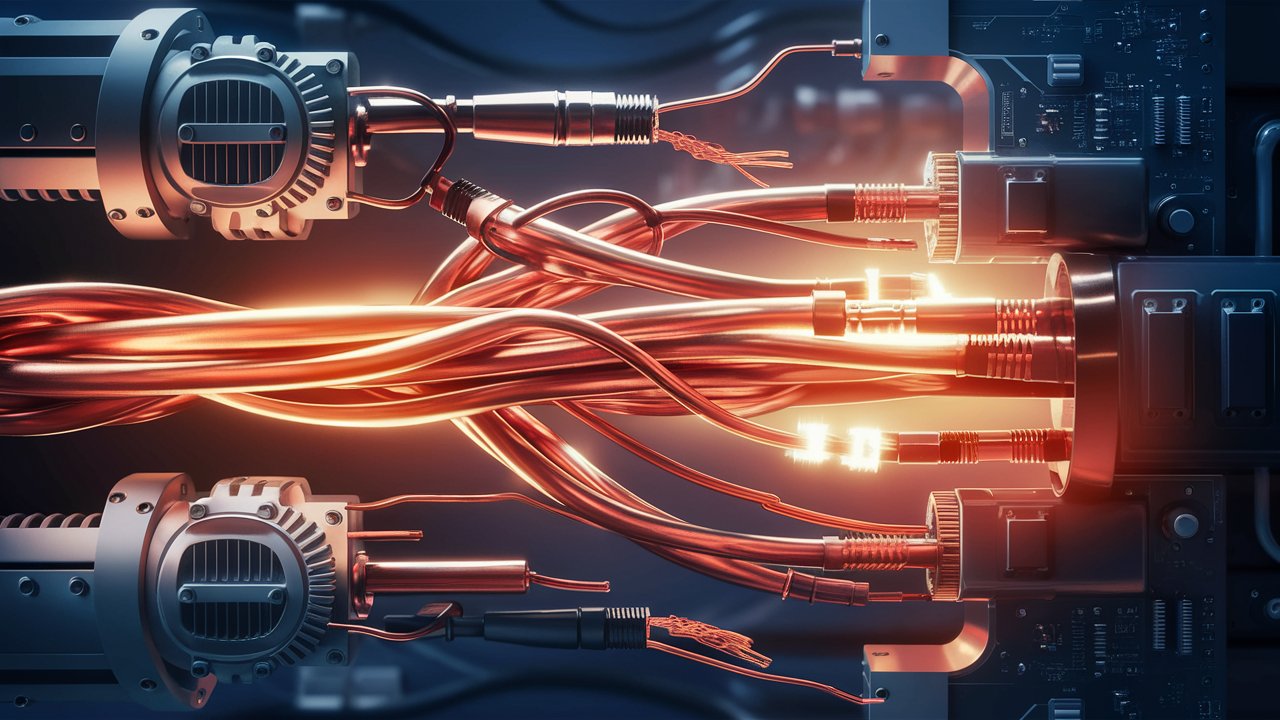
Copper and wire are fundamental components of modern technology, powering everything from household appliances to large-scale industrial systems. Copper, known for its exceptional electrical conductivity, durability, and corrosion resistance, has been the preferred material for wiring and electrical applications for over a century. The combination of copper and wire forms the foundation of copper and wire electrical infrastructure, telecommunications, renewable energy systems, and countless electronic devices. As industries evolve and demand for efficient energy transmission grows, understanding the importance, properties, and applications of copper and wire becomes essential for engineers, manufacturers, and consumers alike.
1. The Importance of Copper in Electrical Wiring
Copper plays a vital role in electrical wiring due to its superior conductivity and reliability. It allows electricity to flow with minimal resistance, reducing energy loss and improving efficiency. Unlike other metals, copper maintains its performance even under extreme conditions, making it ideal for both residential and industrial wiring. Its flexibility and tensile strength enable it to be drawn into thin wires without breaking, while its resistance copper and wire to corrosion ensures long-term durability. These properties make copper the preferred choice for electrical systems, ensuring safety, stability, and consistent power delivery across various applications.
2. Properties That Make Copper Ideal for Wiring
The unique properties of copper make it the most widely used material in electrical and electronic industries. Copper has a high electrical conductivity, second only to silver, but it is far more affordable and easier to work with. It also has excellent thermal conductivity, which helps dissipate heat copper and wire efficiently in electrical circuits. Copper’s ductility allows it to be stretched into fine wires without losing strength, while its malleability makes it easy to shape and install. Additionally, copper’s resistance to oxidation and corrosion ensures that wires remain functional for decades, even in harsh environments. These combined properties make copper indispensable in modern electrical engineering.
3. Types of Copper Wire and Their Applications
There are several types of copper wire, each designed for specific uses depending on the application and environment.
- Bare Copper Wire: Used in grounding systems and electrical connections where insulation is not required.
- Tinned Copper Wire: Coated with a thin layer of tin to prevent oxidation, commonly used in marine and outdoor applications.
- Stranded Copper Wire: Made of multiple small copper strands twisted together, offering flexibility for use in machinery and automotive wiring.
- Solid Copper Wire: A single, solid conductor ideal for permanent installations such as building wiring and electrical panels.
- Enameled Copper Wire: Coated with an insulating layer, primarily used in motors, transformers, and electromagnetic coils.
Each type of copper wire serves a unique purpose, ensuring optimal performance and safety in its respective application.
4. Copper and Wire in Electrical Infrastructure
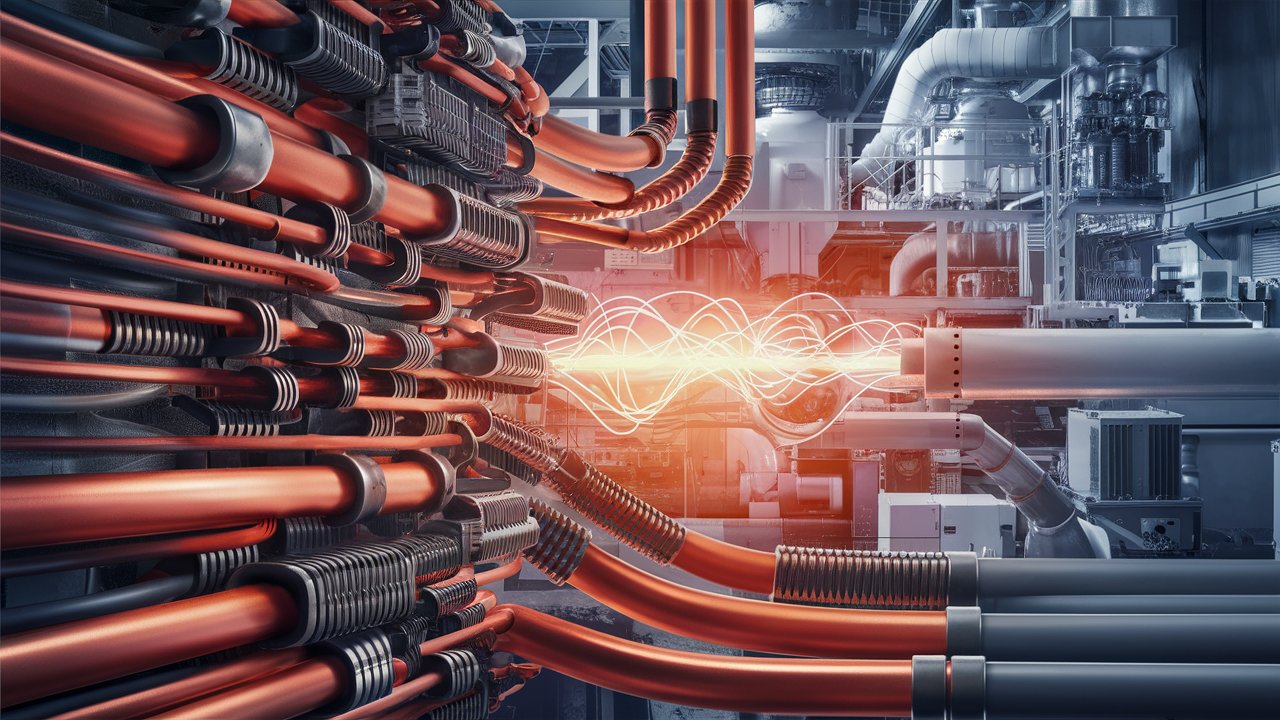
The combination of copper and wire forms the backbone of global electrical infrastructure. From power generation plants to transmission lines and household circuits, copper wiring ensures efficient energy distribution. In power grids, copper conductors are used in transformers, switchgear, and underground cables due to their ability to handle high voltages and currents. In residential and commercial buildings, copper wiring provides reliable connections for lighting, heating, and electronic devices. Its ability to maintain conductivity over long distances makes copper essential for stable and efficient power delivery, supporting the world’s growing energy demands.
5. Copper Wire in Telecommunications and Data Transmission
In the telecommunications industry, copper wire remains a critical component despite the rise of fiber optics. Copper’s ability to transmit electrical signals efficiently makes it ideal for telephone lines, internet connections, and data networks. Twisted pair and coaxial cables, both made from copper, are widely used for signal transmission in homes and businesses. Copper’s durability and flexibility allow it to withstand bending and environmental stress, ensuring consistent performance. Even as fiber optics expand, copper continues to play a vital role in last-mile connectivity and hybrid communication systems, bridging the gap between traditional and modern technologies.
6. Copper and Wire in Renewable Energy Systems
The transition to renewable energy has increased the demand for copper and wire in solar, wind, and electric vehicle (EV) applications. Copper’s high conductivity and efficiency make it essential for solar panel wiring, wind turbine generators, and EV charging infrastructure. In solar systems, copper wires connect panels to inverters and batteries, ensuring minimal energy loss. Wind turbines rely on copper coils for power generation, while electric vehicles use copper wiring for motors, batteries, and charging systems. As the world moves toward sustainable energy solutions, copper remains a key material driving the green energy revolution.
7. Recycling and Sustainability of Copper Wire
One of the most significant advantages of copper wire is its recyclability. Copper can be recycled indefinitely without losing its physical or chemical properties, making it one of the most sustainable materials in the electrical industry. Recycling copper reduces the need for mining, conserves natural resources, and lowers energy consumption compared to primary production. Recovered copper wire is melted, purified, and reused in new products, supporting a circular economy. The growing emphasis on sustainability has led to increased copper recycling initiatives, ensuring that this valuable resource continues to power industries while minimizing environmental impact.
8. Copper Wire vs. Aluminum Wire: A Comparison
When comparing copper wire vs. aluminum wire, copper consistently outperforms aluminum in terms of conductivity, durability, and safety. Copper conducts electricity more efficiently, allowing for smaller wire sizes to carry the same current as aluminum. It is also less prone to oxidation and thermal expansion, reducing the risk of loose connections and electrical fires. While aluminum is lighter and cheaper, it requires larger diameters and special fittings to achieve similar performance. For critical applications such as building wiring, motors, and transformers, copper remains the preferred choice due to its superior reliability and long-term performance.
9. The Future of Copper and Wire Technology
The future of copper and wire technology is being shaped by advancements in materials science, automation, and energy efficiency. Researchers are developing high-performance copper alloys and coatings to enhance conductivity and reduce energy loss. Smart grids and electric vehicles are driving demand for advanced copper wiring systems capable of handling higher voltages and data transmission. Additionally, innovations in nanotechnology and superconductivity may further improve copper’s performance in next-generation electrical systems. As global energy needs continue to grow, copper and wire will remain at the forefront of technological progress, powering the world’s transition to a smarter and more sustainable future.
Conclusion
Copper and wire are the lifelines of modern civilization, enabling the flow of electricity, data, and innovation across industries. Their unmatched conductivity, durability, and versatility make them indispensable in electrical infrastructure, telecommunications, renewable energy, and manufacturing. As technology advances and sustainability becomes a global priority, copper’s role will only become more significant. From powering homes to driving electric vehicles and supporting digital networks, copper and wire continue to shape the foundation of progress. Investing in efficient copper systems and recycling initiatives ensures a future where technology and sustainability coexist harmoniously.
FAQs
1. Why is copper used for electrical wiring?
Copper is used for electrical wiring because of its high electrical conductivity, durability, and resistance to corrosion, ensuring efficient and long-lasting performance.
2. What are the main types of copper wire?
The main types include bare copper wire, tinned copper wire, stranded copper wire, solid copper wire, and enameled copper wire, each suited for specific applications.
3. Is copper wire better than aluminum wire?
Yes, copper wire offers better conductivity, strength, and safety compared copper and wire to aluminum wire, making it the preferred choice for most electrical installations.
4. Can copper wire be recycled?
Yes, copper wire is 100% recyclable without losing its properties, making it an environmentally friendly and sustainable material.
5. How is copper wire used in renewable energy systems?
Copper wire is used in solar panels, copper and wire wind turbines, and electric vehicles to transmit power efficiently and reduce energy loss in renewable energy systems.
6. What is the future of copper and wire technology?
The future includes advancements in high-performance copper alloys, smart grid integration, and sustainable recycling practices to meet growing global energy demands.
7. How does copper contribute to sustainability?
Copper contributes to sustainability through its recyclability, energy efficiency, and role in renewable energy technologies that reduce carbon emissions and promote cleaner energy use.
