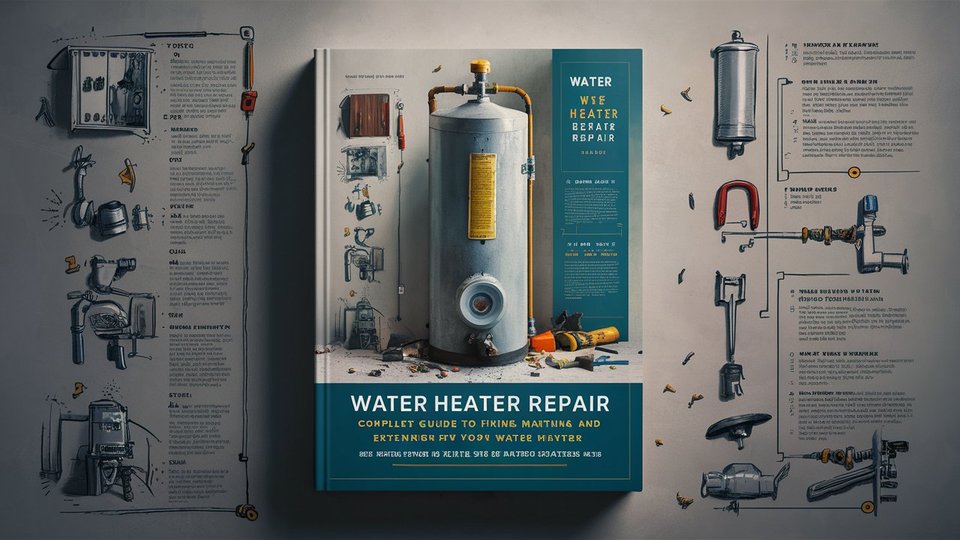
Water heater repair is an essential part of home maintenance that ensures a consistent supply of hot water for daily needs such as bathing, cleaning, and cooking. A malfunctioning water heater can disrupt comfort and increase energy costs, making timely repair and maintenance crucial. Whether dealing with a leaking tank, inconsistent water temperature, or strange noises, understanding how water heaters work and how to fix common issues can save time and money.
1. Understanding How a Water Heater Works
Before diving into water heater repair it’s important to understand how the system functions. A typical water heater consists of a tank, heating element or burner, thermostat, and various valves that regulate temperature and pressure. Electric water heaters use heating elements to warm the water, while gas models rely on a burner and pilot light. The thermostat monitors the water temperature and activates the heating mechanism when needed. Over time, sediment buildup, corrosion, or faulty components can affect performance, leading to issues that require repair. Knowing the basic operation of a water heater helps identify problems early and determine whether professional service is necessary.
2. Common Water Heater Problems and Their Causes
Several issues can affect the performance of a water heater, and recognizing the symptoms is the first step toward effective repair. One of the most common problems is no hot water, which may result from a tripped circuit breaker, faulty thermostat, or burned-out heating element. Inconsistent water temperature often indicates sediment buildup or a malfunctioning thermostat. Leaking water heaters can be caused by loose connections, a corroded tank, or a damaged pressure relief valve. Strange noises, such as popping or rumbling, usually occur when sediment accumulates at the bottom of the tank, causing the water to overheat and boil. Discolored or foul-smelling water may signal rust or bacterial growth inside the tank. Identifying these issues early can prevent costly repairs and extend the life of the unit.
3. DIY Water Heater Repair Tips
Some water heater repair tasks can be handled without professional help, provided safety precautions are followed. For electric water heaters, always turn off the power at the circuit breaker before performing any repairs. For gas models, shut off the gas supply to prevent leaks. If the water is not heating properly, check the thermostat settings and reset the high-temperature cutoff switch. Flushing the tank once or twice a year helps remove sediment buildup, improving efficiency and preventing damage. Tightening loose connections and replacing worn-out anode rods can also prevent leaks and corrosion. However, if the problem involves gas leaks, electrical faults, or internal tank damage, it’s best to call a licensed technician to avoid safety risks.
4. When to Call a Professional for Water Heater Repair
While minor issues can be fixed at home, certain water heater problems require professional expertise. If the water heater is leaking from the tank itself, it usually indicates internal corrosion, which cannot be repaired and requires replacement. Persistent temperature fluctuations, pilot light issues, or electrical malfunctions should also be handled by a certified plumber or technician. Professionals have the tools and experience to diagnose complex problems, replace faulty components, and ensure the system operates safely. Regular professional inspections can also detect hidden issues before they escalate, saving homeowners from unexpected breakdowns and costly replacements.
5. Cost of Water Heater Repair
The cost of water heater repair varies depending on the type of unit, the nature of the problem, and labor rates in the area. Minor repairs, such as replacing a thermostat or heating element, typically cost between $100 and $300. More extensive repairs, such as fixing leaks or replacing the anode rod, can range from $300 to $600. If the tank is severely corroded or damaged, replacement may be more cost-effective than repair. Investing in regular maintenance can significantly reduce repair costs over time by preventing major issues and improving energy efficiency.
6. Preventive Maintenance for Water Heaters
Preventive maintenance is the key to avoiding frequent water heater repair and extending the lifespan of the unit. Flushing the tank every six months removes sediment and prevents overheating. Inspecting the anode rod annually helps prevent rust and corrosion inside the tank. Checking water heater repair the pressure relief valve ensures that the system operates safely under high pressure. Maintaining the correct thermostat setting—typically around 120°F—prevents scalding and reduces energy consumption. For gas water heaters, cleaning the burner and checking the venting system ensures efficient combustion and safety. Consistent maintenance not only improves performance but also helps maintain warranty coverage and reduces the likelihood of unexpected failures.
7. Signs It’s Time to Replace Your Water Heater
Even with regular maintenance, water heaters have a limited lifespan, typically between 8 and 12 years. If the unit frequently requires repairs, produces rusty water, or fails to heat efficiently, it may be time for a replacement. A leaking tank is a clear sign that the internal lining has deteriorated beyond repair. Upgrading to a modern, energy-efficient model can reduce utility bills and provide better performance. Tankless water heaters, for example, offer endless hot water and lower energy consumption, making them a popular choice for homeowners seeking long-term savings. Knowing when to replace rather than repair ensures safety, reliability, and cost efficiency.
8. Choosing the Right Professional for Water Heater Repair
Selecting a qualified technician is crucial for effective and safe water heater repair. Look for licensed and insured professionals with experience in both gas and electric systems. Reading customer reviews and checking certifications can help identify reputable service providers. A good technician will perform a thorough inspection, provide a detailed estimate, and explain the repair process clearly. Avoid choosing based solely on price; quality workmanship ensures long-term reliability and safety. Establishing a relationship with a trusted plumber or HVAC specialist also ensures prompt service in case of future emergencies.
Conclusion
Water heater repair is an essential aspect of maintaining comfort, safety, and efficiency in any home. Understanding how water heaters work, recognizing common problems, and performing regular maintenance can prevent costly breakdowns and extend the life of the unit. While some minor repairs can be done independently, professional service is often necessary for complex or hazardous issues. Investing in timely repairs and preventive care not only ensures a steady supply of hot water but also enhances energy efficiency and reduces long-term costs. Whether repairing or replacing, taking proactive steps toward water heater maintenance guarantees reliable performance and peace of mind for years to come.
Frequently Asked Questions (FAQ)
1. How long does a typical water heater last?
Most water heaters last between 8 and 12 years, depending on the model, maintenance, and water quality. Regular flushing and anode rod replacement can extend their lifespan.
2. Why is my water heater not producing hot water?
Common causes include a tripped circuit breaker, faulty thermostat, burned-out heating element, or pilot light issues in gas models. Checking these components can help identify the problem.
3. Can a leaking water heater be repaired?
If the leak is from a valve or connection, it can often be repaired. However, if the tank itself is leaking due to corrosion, replacement is usually the only solution.
4. How often should a water heater be serviced?
It’s recommended to have a professional inspection and maintenance service at least once a year to ensure optimal performance and safety.
5. What is the best temperature setting for a water heater?
A temperature setting of around 120°F is ideal for most households. It provides sufficient hot water while preventing scalding and reducing energy consumption.
