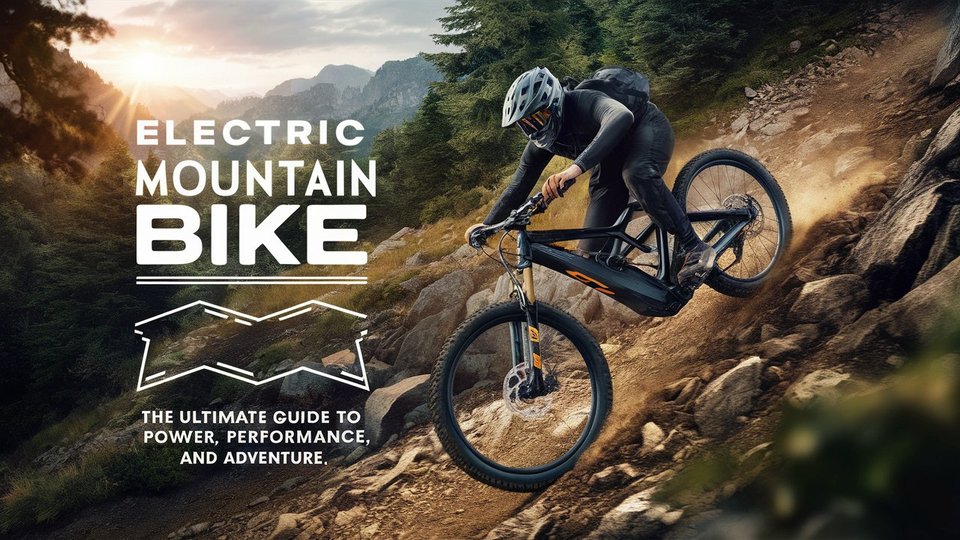
The electric mountain bike, often referred to as an e-MTB, has revolutionized the world of cycling by combining the thrill of traditional mountain biking with the power of electric assistance. Designed for both adventure seekers and everyday riders, electric mountain bikes make it easier to conquer steep trails, cover longer distances, and enjoy the outdoors without excessive fatigue. With advancements in battery technology, motor efficiency, and lightweight materials, e-MTBs have become one of the fastest-growing segments in the cycling industry.
1. What Is an Electric Mountain Bike?
An electric mountain bike is a specialized bicycle equipped with an integrated electric motor and rechargeable battery that assists the rider’s pedaling. Unlike motorcycles, e-MTBs require pedaling to activate the motor, offering a natural riding experience with added power. The motor provides assistance based on the rider’s effort, making it easier to climb hills, ride through rough terrain, and maintain speed on long trails. Most electric mountain bike feature multiple power modes, allowing riders to adjust the level of assistance depending on the terrain or their fitness goals. This combination of human and electric power creates a seamless balance between performance and endurance, making e-MTBs suitable for both beginners and experienced cyclists.
2. Key Features of an Electric Mountain Bike
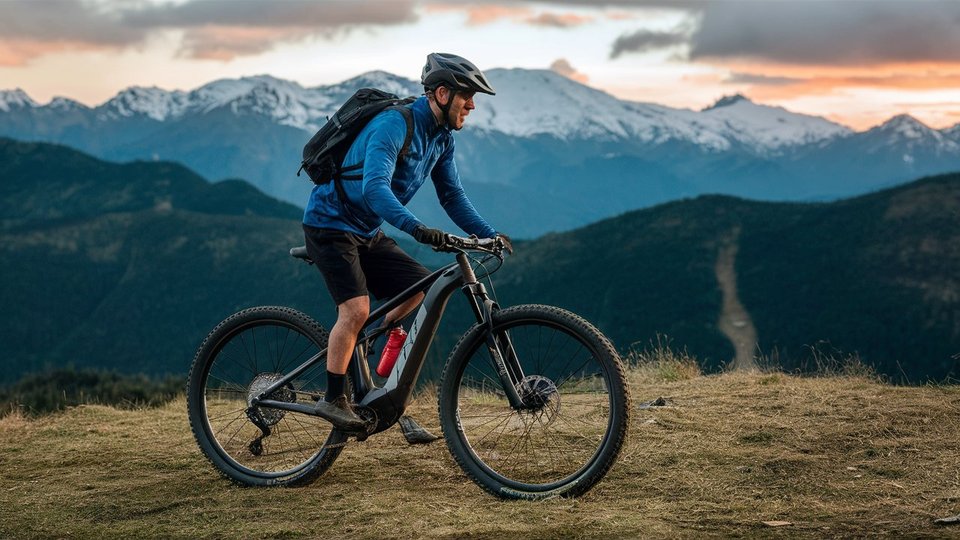
Electric mountain bikes are built with advanced technology and durable components to handle challenging terrains. The most important features include the motor, battery, frame design, suspension system, and tires. The motor, typically located in the mid-drive or rear hub, determines how much power the bike can deliver. Mid-drive motors are preferred for their balance and efficiency, especially on steep climbs. The battery capacity, measured in watt-hours (Wh), affects how far the bike can travel on a single charge. High-quality e-MTBs often feature removable lithium-ion batteries that can last between 30 to 100 miles depending on usage. Suspension systems—either front (hardtail) or full (dual)—absorb shocks and improve comfort on rough trails. Wide, knobby tires provide traction and stability, while lightweight aluminum or carbon frames ensure durability without compromising speed.
3. Benefits of Riding an Electric Mountain Bike
The benefits of an electric mountain bike extend far beyond convenience. One of the biggest advantages is accessibility—riders of all fitness levels can enjoy mountain biking without being limited by stamina or steep terrain. The electric assist allows riders to explore longer trails, climb hills effortlessly, and maintain consistent speed even on challenging routes. E-MTBs also promote eco-friendly transportation by reducing reliance on cars for short trips or commutes. For adventure enthusiasts, electric mountain bikes open up new possibilities for exploration, allowing access to remote areas that might otherwise be too difficult to reach. Additionally, e-MTBs provide an excellent workout, as riders still engage their muscles while benefiting from motor assistance. The combination of exercise, adventure, and sustainability makes electric mountain biking one of the most rewarding outdoor activities available today.
4. Types of Electric Mountain Bikes
There are several types of electric mountain bikes, each designed for specific riding styles and terrains. Hardtail e-MTBs feature front suspension only, making them lighter and more efficient for cross-country riding and smoother trails. Full-suspension e-MTBs have both front and rear suspension, offering superior comfort and control on rough, technical terrain. Trail e-MTBs are versatile and suitable for a mix of climbing and descending, while Enduro e-MTBs are built for aggressive downhill riding with powerful motors and long-travel suspension. Fat-tire e-MTBs are designed for snow, sand, or loose surfaces, providing maximum traction and stability. Choosing the right type depends on the rider’s preferred terrain, riding style, and performance expectations.
5. How to Choose the Best Electric Mountain Bike
Selecting the best electric mountain bike requires careful consideration of several factors, including motor power, battery life, frame geometry, and budget. The motor’s power output, measured in watts, determines how much assistance the bike provides. Most e-MTBs range between 250W and 750W, with higher wattage offering more torque for steep climbs. Battery capacity is equally important, as it affects range and ride duration. Riders should also consider the bike’s weight, as heavier models may be harder to maneuver without power assistance. Frame geometry influences comfort and handling, so it’s essential to test different models before purchasing. Reputable brands such as Trek, Specialized, Giant, and Haibike offer a wide range of electric mountain bikes with varying specifications to suit different needs. Investing in a quality e-MTB ensures durability, performance, and long-term satisfaction.
6. Maintenance Tips for Electric Mountain Bikes
Proper maintenance is crucial to keep an electric mountain bike performing at its best. Regularly cleaning the bike after rides prevents dirt and debris from damaging components. The battery should be charged according to manufacturer guidelines and stored in a cool, dry place when not in use. Checking tire pressure, brake pads, and chain lubrication ensures smooth operation and safety. It’s also important to inspect electrical connections and motor mounts periodically to prevent wear or malfunction. Professional servicing at least once a year helps maintain optimal performance and extends the lifespan of the bike. With consistent care, an electric mountain bike can deliver years of reliable and enjoyable riding.
7. The Future of Electric Mountain Bikes
The future of electric mountain bike looks incredibly promising as technology continues to evolve. Advances in battery efficiency, motor design, and lightweight materials are making e-MTBs more powerful, durable, and affordable. Integration with smart technology, such as GPS tracking, performance analytics, and mobile app connectivity, is enhancing the riding experience. Manufacturers are also focusing on sustainability by developing recyclable batteries and eco-friendly production methods. As more people embrace outdoor recreation and green transportation, electric mountain bike are expected to become a mainstream choice for both adventure and commuting. The combination of innovation, performance, and environmental consciousness ensures that e-MTBs will remain at the forefront of modern cycling.
Conclusion
The electric mountain bike represents the perfect fusion of technology, adventure, and sustainability. It empowers riders to explore new terrains, overcome physical limitations, and experience the thrill of mountain biking with added comfort and efficiency. Whether used for recreation, fitness, or commuting, e-MTBs offer unmatched versatility and performance. As innovation continues to drive the cycling industry forward, electric mountain bike will play a key role in shaping the future of outdoor exploration and eco-friendly mobility. Investing in an e-MTB is not just about owning a bike—it’s about embracing a lifestyle of freedom, adventure, and connection with nature.
Frequently Asked Questions (FAQ)
1. How fast can an electric mountain bike go?
Most electric mountain bikes can reach speeds of 20 to 28 mph, depending on the motor type and local regulations. Some models can go faster in off-road or unrestricted modes.
2. How long does the battery last on an electric mountain bike?
Battery life varies based on capacity, terrain, and power mode, but most e-MTBs can travel between 30 and 100 miles on a single charge.
3. Are electric mountain bikes suitable for beginners?
Yes, electric mountain bikes are ideal for beginners because the motor assistance makes riding easier and more enjoyable, even on challenging trails.
4. Can electric mountain bikes be used without power?
Yes, e-MTBs can be pedaled like regular bikes when the motor is off, although they may feel heavier due to the battery and motor components.
5. Are electric mountain bikes worth the investment?
Absolutely. Electric mountain bikes offer long-term value through enhanced performance, versatility, and durability, making them a worthwhile investment for both casual riders and serious adventurers.
