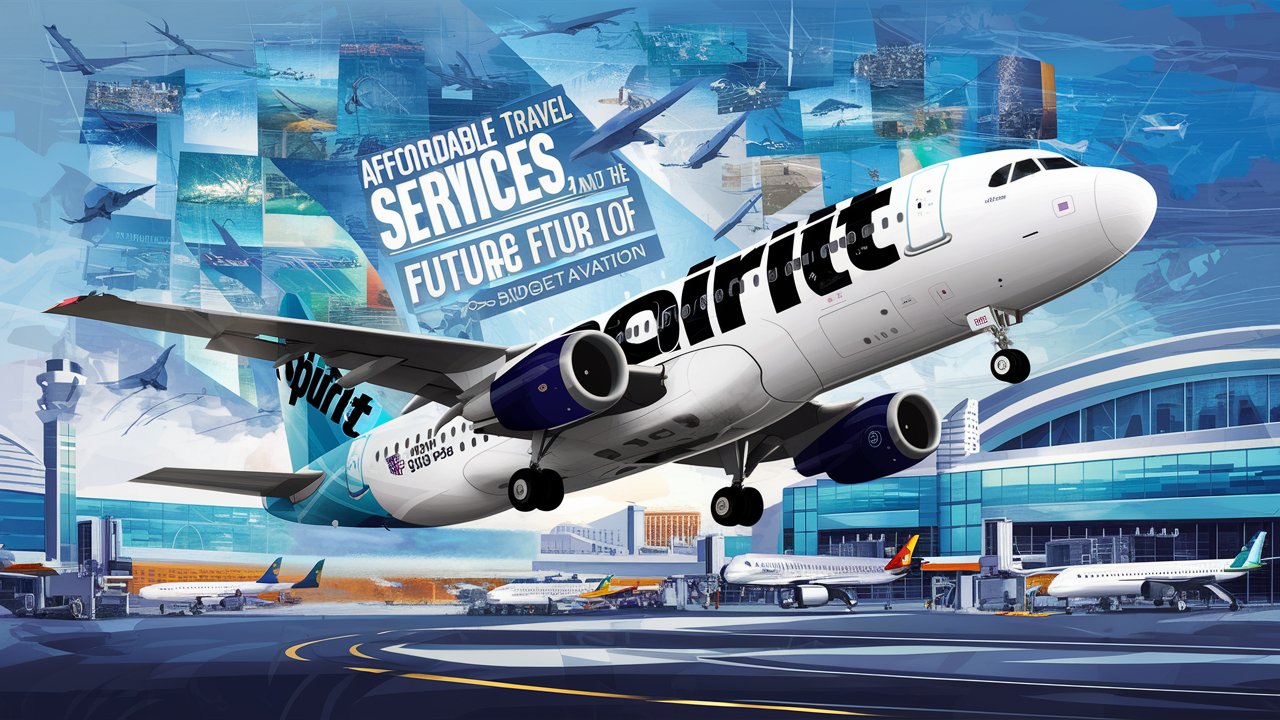
Spirit Airlines has become one of the most recognized names in the world of low-cost air travel. Known for its ultra-low fares and à la carte pricing model, Spirit Airlines has revolutionized the way people think about flying on a budget. Founded in 1983, the airline has grown from a small regional carrier into one of the largest budget airlines in the United States, serving destinations across North America, Latin America, and the Caribbean. Spirit Airlines focuses on providing affordable travel options while allowing passengers to customize their flying experience according to their needs and budget.
1. The History and Growth of Spirit Airlines
Spirit Airlines began as Charter One, a small charter tour operator based in Michigan. In 1992, it rebranded as Spirit Airlines and shifted its focus to scheduled passenger flights. Over the years, Spirit expanded rapidly, adopting a low-cost business model that prioritized affordability and efficiency. The airline’s growth strategy centered on offering base fares significantly lower than traditional carriers, with optional add-ons for baggage, seat selection, and onboard services. This approach allowed Spirit to attract millions of cost-conscious travelers seeking flexibility and value. Today, operates hundreds of daily flights to more than 80 destinations, making it a major player in the competitive U.S. aviation market.
2. Spirit Airlines’ Low-Cost Business Model
The foundation of success lies in its ultra-low-cost business model. Unlike traditional airlines that bundle services into ticket prices, Spirit separates each component of the travel experience, allowing passengers to pay only for what they use. This unbundled pricing structure includes optional fees for checked and carry-on baggage, seat selection, priority boarding, and in-flight refreshments. By keeping base fares low and offering optional upgrades, provides travelers with the flexibility to customize their journey. This model has proven especially appealing to budget-conscious passengers who prioritize affordability over luxury.
3. Spirit Airlines Destinations and Route Network
Spirit Airlines operates an extensive network of domestic and international routes, connecting major cities and vacation destinations across the Americas. The airline’s primary hubs include Fort Lauderdale-Hollywood International Airport, Orlando International Airport, Las Vegas McCarran International Airport, and Detroit Metropolitan Airport. Spirit serves popular destinations such as New York, Los Angeles, Chicago, Miami, Cancun, San Juan, and Montego Bay. Its focus on leisure travel and underserved routes has allowed Spirit to capture a significant share of the budget travel market. The airline continues to expand its network, adding new routes to meet growing demand for affordable air travel.
4. Spirit Airlines Fleet and Sustainability Efforts
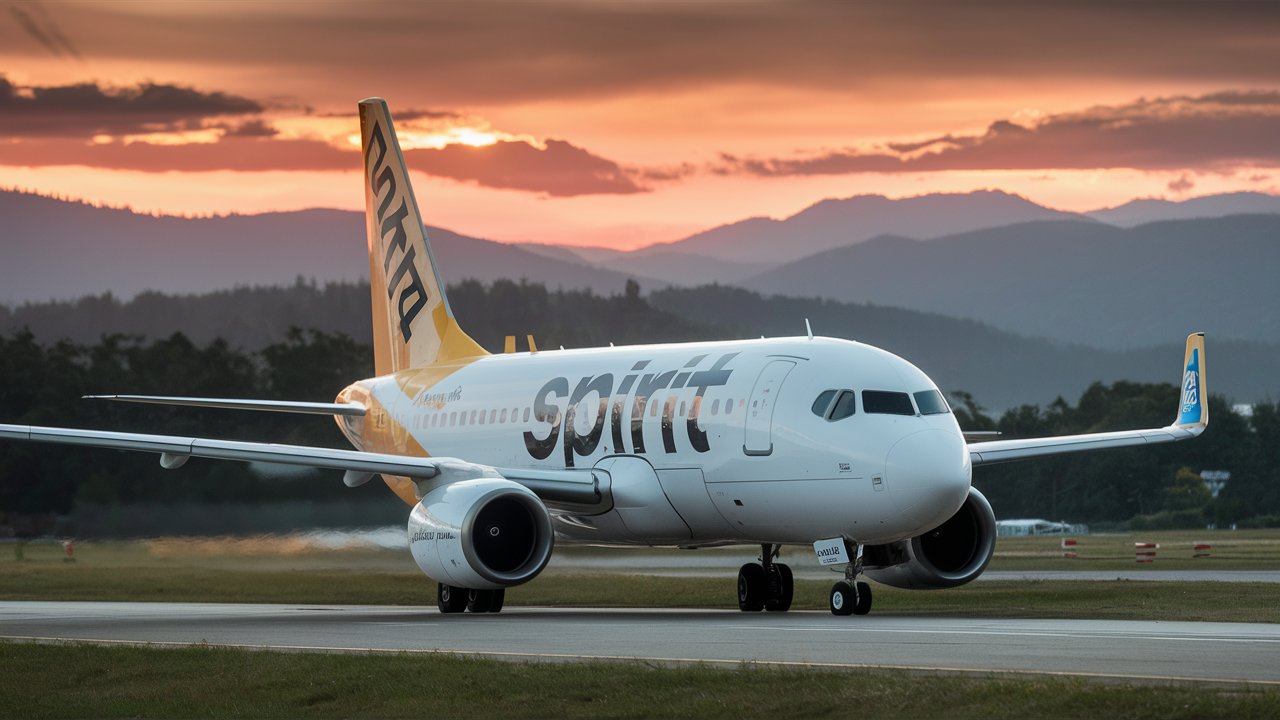
Spirit Airlines operates one of the youngest and most fuel-efficient fleets in the industry, consisting primarily of Airbus A320 family aircraft. The modern fleet contributes to lower operating costs and reduced environmental impact. Spirit’s commitment to sustainability includes investing in fuel-efficient technology, optimizing flight operations, and reducing carbon emissions. The airline’s lightweight seating and efficient aircraft utilization further enhance fuel savings. As environmental awareness grows among travelers, continues to explore ways to make budget travel more sustainable without compromising affordability.
5. Spirit Airlines Travel Experience and Services
The travel experience is designed to be simple, efficient, and customizable. Passengers can choose from various fare options, including the Bare Fare, which covers only the seat and one personal item. Additional services such as baggage, seat upgrades, and onboard refreshments can be purchased separately. Spirit’s Big Front Seat offers extra legroom and comfort for travelers seeking a more premium experience at a fraction of the cost of traditional first-class seating. The airline also provides an online check-in system, mobile boarding passes, and a user-friendly website for managing bookings. While Spirit’s no-frills approach may not include complimentary amenities, it ensures that passengers pay only for what they truly need.
6. Spirit Airlines Baggage Policy and Fees
Spirit Airlines’ baggage policy is one of the most discussed aspects of its business model. The airline charges for both checked and carry-on bags, with fees varying based on route, booking time, and membership status. Passengers are allowed one free personal item that fits under the seat, such as a small backpack or purse. To avoid higher fees at the airport, travelers are encouraged to prepay for baggage online. Spirit’s transparent pricing system allows passengers to plan their expenses in advance and avoid surprises. Although the baggage fees may seem high, they are offset by the airline’s significantly lower base fares, making overall travel costs competitive.
7. Spirit Airlines Free Spirit Loyalty Program
Spirit Airlines offers a loyalty program called Free Spirit, designed to reward frequent flyers with points that can be redeemed for flights, seat upgrades, and other benefits. Members earn points based on the amount spent rather than miles flown, making it easier to accumulate rewards quickly. The program also includes elite status tiers that offer perks such as free seat selection, priority boarding, and additional baggage allowances. Spirit’s co-branded credit card allows members to earn extra points on everyday purchases, further enhancing the value of the program. The Free Spirit program reflects the airline’s commitment to rewarding loyal customers while maintaining its low-cost philosophy.
8. Spirit Airlines Customer Service and Reputation
Spirit Airlines has faced criticism in the past for its strict policies and additional fees, but the company has made significant efforts to improve customer satisfaction. The airline has invested in better communication, streamlined check-in processes, and enhanced digital tools to make travel more convenient. Spirit’s focus on transparency ensures that passengers understand what is included in their fare and what costs extra. While the airline’s no-frills approach may not appeal to everyone, it continues to attract millions of travelers who value affordability and flexibility. Spirit’s ongoing improvements in service quality and reliability demonstrate its commitment to evolving with customer expectations.
9. The Future of Spirit Airlines and Budget Travel
The future of looks promising as demand for affordable air travel continues to rise. The airline plans to expand its fleet, add new routes, and enhance its digital infrastructure to improve the customer experience. Spirit’s potential merger discussions and partnerships with other carriers could further strengthen its market position. As technology and sustainability become central to aviation, Spirit Airlines is poised to lead the next generation of budget travel by combining efficiency, innovation, and environmental responsibility. The airline’s focus on affordability ensures that air travel remains accessible to a wide range of passengers, from families and students to business travelers seeking value.
Conclusion
Spirit Airlines has redefined the concept of budget air travel through its innovative pricing model, extensive route network, and commitment to affordability. By allowing passengers to customize their travel experience, Spirit has made flying accessible to millions who might otherwise find it cost-prohibitive. Despite challenges and criticism, the airline continues to evolve, focusing on sustainability, customer satisfaction, and technological advancement stands as a symbol of how efficiency and innovation can coexist in modern aviation. As the demand for low-cost travel grows, remains a key player in shaping the future of affordable and sustainable air transportation.
Frequently Asked Questions (FAQ)
1. What is Spirit Airlines known for?
Spirit Airlines is known for its ultra-low-cost fares and à la carte pricing model, allowing passengers to pay only for the services they choose.
2. Does Spirit Airlines charge for carry-on bags?
Yes, charges for carry-on and checked bags, but one personal item that fits under the seat is free.
3. How can passengers save money when flying with Spirit Airlines?
Passengers can save money by booking early, joining the $9 Fare Club, prepaying for baggage online, and avoiding unnecessary add-ons.
4. What is the Free Spirit loyalty program?
The Free Spirit program rewards passengers with points based on spending, which can be redeemed for flights, seat upgrades, and other benefits.
5. Is Spirit Airlines safe to fly with?
Yes, meets all FAA safety standards and operates a modern, fuel-efficient fleet maintained to the highest safety regulations.
6. Does Spirit Airlines offer international flights?
Yes, operates flights to several international destinations, including Mexico, the Caribbean, and Central and South America.
7. What is the Big Front Seat on Spirit Airlines?
The Big Front Seat is a premium seating option offering extra legroom and comfort, available for an additional fee.
8. How can passengers contact Spirit Airlines customer service?
Passengers can contact through its official website, mobile app, or customer service hotline for assistance with bookings and inquiries.
