Air conditioning systems are essential for maintaining comfort in homes, offices, and commercial spaces, especially during the hot summer months. However, like any mechanical system, air conditioners can develop problems over time due to wear and tear, lack of maintenance, or environmental factors. Understanding the fundamentals of AC repair is crucial for ensuring that your cooling system operates efficiently and lasts longer. A well-maintained air conditioner not only provides consistent cooling but also helps reduce energy consumption and prevents costly breakdowns.
1. Understanding AC Repair and Its Importance
AC repair refers to the process of diagnosing and fixing issues that affect the performance of an air conditioning system. These problems can range from minor issues like clogged filters to major ones such as compressor failure or refrigerant leaks. Regular AC repair and maintenance are vital for keeping the system in top condition. When an air conditioner is neglected, it can lose efficiency, consume more electricity, and fail prematurely. Timely AC repair ensures that the system runs smoothly, maintains optimal cooling, and provides clean, healthy air. Moreover, addressing small issues early prevents them from turning into expensive repairs later.
2. Common AC Problems and Their Causes
Air conditioners can experience a variety of issues, and understanding their causes helps in identifying the right repair solutions. One of the most common problems is poor cooling performance, which can result from low refrigerant levels, dirty coils, or a malfunctioning compressor. Another frequent issue is weak airflow, often caused by clogged air filters or blocked vents. Electrical problems such as faulty wiring, blown fuses, or damaged capacitors can cause the system to short cycle or fail to start. Strange noises like grinding, squealing, or rattling usually indicate mechanical wear or loose components. Water leaks around the unit may signal a blocked condensate drain or frozen evaporator coils. Recognizing these problems early allows for timely AC repair and prevents further damage.
3. Signs That Indicate the Need for AC Repair
Knowing when to call for AC repair can save both time and money. If the air conditioner is blowing warm air instead of cool, it could be due to a refrigerant leak or compressor malfunction. Unusual noises such as banging, buzzing, or hissing often point to mechanical or electrical issues. A sudden increase in energy bills may indicate that the system is working harder than necessary due to dirty filters or worn-out components. Foul odors coming from the vents can be a sign of mold growth or burnt wiring. Frequent cycling on and off, uneven cooling, or weak airflow are also clear indicators that professional AC repair is needed. Addressing these signs promptly ensures efficient performance and prevents costly replacements.
4. DIY AC Maintenance Tips to Prevent Repairs
While some AC repairs require professional expertise, there are several maintenance tasks that homeowners can perform to keep their systems running efficiently. Start by cleaning or replacing air filters every one to three months to maintain proper airflow and indoor air quality. Check the thermostat settings to ensure they are accurate and functioning correctly. Inspect the outdoor condenser unit for debris, leaves, or dirt that may obstruct airflow, and gently clean the coils using a soft brush or vacuum. Make sure the condensate drain line is clear to prevent water leaks. Additionally, check for any visible signs of wear on electrical connections or insulation. Performing these simple maintenance steps regularly can reduce the need for frequent AC repair and improve overall system efficiency.
5. When to Call a Professional for AC Repair
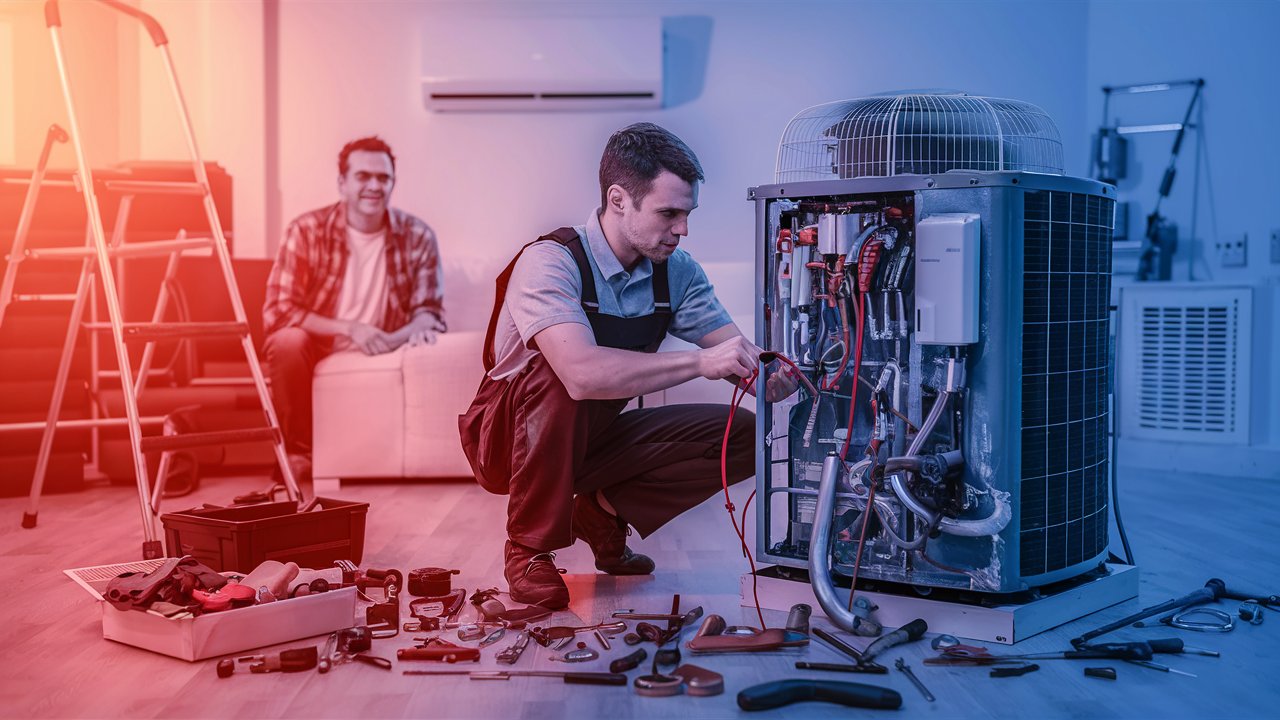
Certain AC problems require the expertise of a licensed technician. If the system is not cooling despite proper maintenance, it may have a refrigerant leak or compressor failure that needs professional attention. Electrical issues, such as tripped breakers or faulty capacitors, should never be handled without proper training due to the risk of electric shock. Persistent water leaks, frozen coils, or unusual noises also warrant a professional inspection. Certified AC repair technicians have the tools and knowledge to diagnose complex issues accurately and perform safe, effective repairs. Hiring a professional ensures that the system is restored to peak performance while maintaining manufacturer warranties and safety standards.
6. Preventive Maintenance to Avoid Frequent AC Repairs
Preventive maintenance is the key to avoiding frequent AC repairs and ensuring long-term reliability. Schedule professional tune-ups at least once a year, preferably before the cooling season begins. During these inspections, technicians clean coils, check refrigerant levels, inspect electrical components, and test system performance. Keeping the outdoor unit free from debris and ensuring proper insulation around refrigerant lines also helps maintain efficiency. Regular maintenance not only prevents unexpected breakdowns but also improves energy efficiency, reduces operating costs, and enhances indoor comfort. Investing in preventive care is far more cost-effective than dealing with emergency AC repairs.
7. Cost of AC Repair and Factors That Affect Pricing
The cost of AC repair can vary depending on the type of issue, the system’s age, and the complexity of the repair. Minor repairs, such as replacing filters or cleaning coils, are relatively inexpensive, while major repairs like compressor replacement or refrigerant recharge can be more costly. Labor charges, parts availability, and the brand of the air conditioner also influence pricing. Regular maintenance helps minimize repair costs by preventing major issues from developing. It’s always advisable to get multiple quotes from reputable AC repair companies to ensure fair pricing and quality service.
8. Choosing the Right AC Repair Service
Selecting a reliable AC repair service is crucial for ensuring quality workmanship and long-term system performance. Look for licensed and insured technicians with experience in handling various AC brands and models. Check online reviews, ratings, and customer testimonials to gauge service quality. A reputable company should offer transparent pricing, warranties on parts and labor, and emergency repair services. Choosing a trusted AC repair provider ensures that the job is done correctly the first time, saving both time and money while maintaining comfort and safety.
Conclusion
AC repair is an essential part of maintaining a comfortable and energy-efficient home or workspace. Understanding how air conditioners work, recognizing early signs of trouble, and performing regular maintenance can significantly reduce the need for costly repairs. While some minor issues can be handled through DIY maintenance, complex problems should always be addressed by professional technicians. Investing in timely AC repair and preventive care not only extends the lifespan of the system but also ensures consistent cooling performance throughout the year. A well-maintained air conditioner provides peace of mind, lower energy bills, and a healthier indoor environment for everyone.
Frequently Asked Questions (FAQ)
1. How often should an air conditioner be serviced?
An air conditioner should be serviced at least once a year, preferably before the summer season, to ensure optimal performance and prevent unexpected breakdowns.
2. Why is my AC not cooling properly?
Poor cooling can result from low refrigerant levels, dirty coils, clogged filters, or a malfunctioning compressor. A professional inspection can identify and fix the exact cause.
3. Can I repair my AC myself?
Basic maintenance tasks like cleaning filters and coils can be done at home, but complex repairs involving refrigerant or electrical components should be handled by professionals.
4. How long does an air conditioner last?
With proper maintenance, most air conditioners last between 10 to 15 years. Regular servicing and timely repairs can extend their lifespan even further.
5. What are the benefits of regular AC maintenance?
Regular maintenance improves energy efficiency, reduces repair costs, enhances cooling performance, and extends the overall lifespan of the system.
