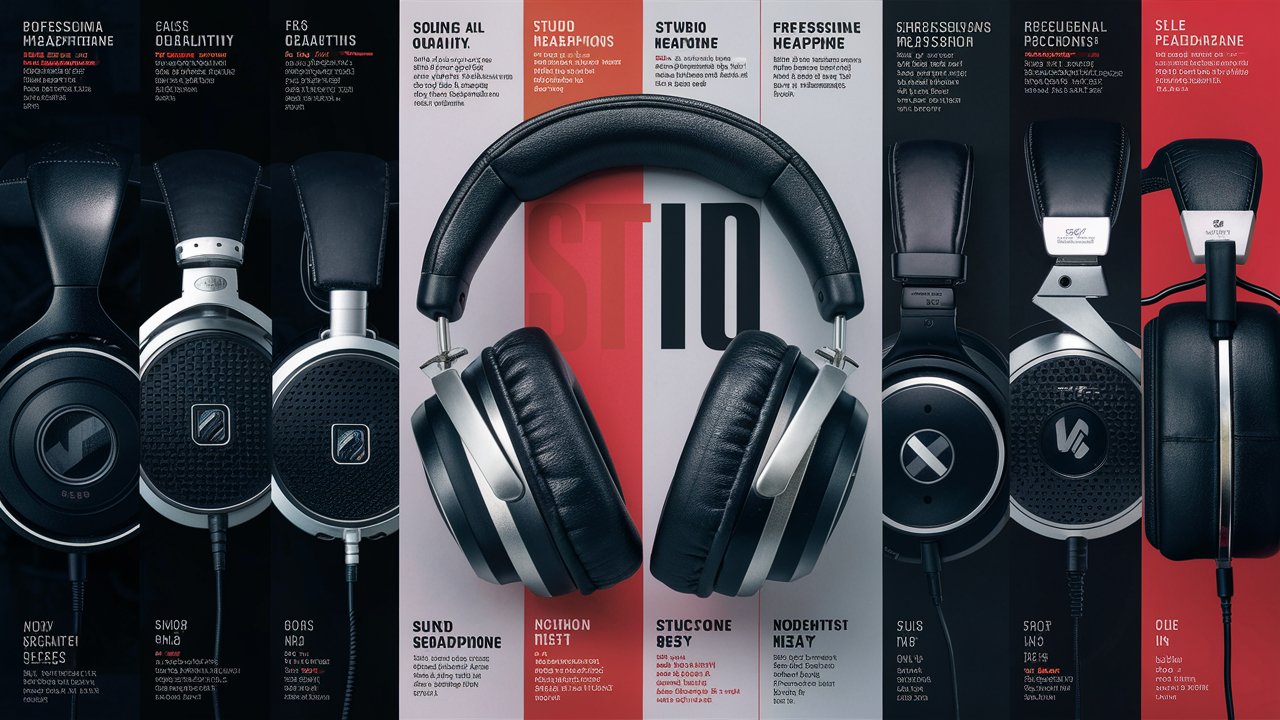
Studio headphones are one of the most essential tools for anyone working with audio, whether in music production, podcasting, video editing, or broadcasting. Unlike regular consumer headphones that often boost bass or treble frequencies to make music sound more exciting, studio headphones are designed to deliver a flat, accurate, and uncolored sound. This precision allows producers, sound engineers, and musicians to hear every detail of a recording exactly as it is, making it easier to mix and master tracks professionally. Understanding the different types, features, and uses of studio headphones is crucial for achieving the best sound quality possible.
1. What Are Studio Headphones?
Studio headphones are specialized audio devices built for professional sound monitoring and critical listening. Their primary purpose is to reproduce sound as accurately as possible without adding artificial enhancements. This flat frequency response ensures that what is heard through the headphones is a true representation of the recording. Studio headphones are used in various stages of music production, including recording, mixing, and mastering. They are also popular among podcasters, video editors, and audiophiles who value clarity and precision. The design of studio headphones focuses on durability, comfort, and long-term use, making them suitable for extended studio sessions where accuracy and reliability are essential.
2. Types of Studio Headphones
Closed-Back Studio Headphones
Closed-back studio headphones are designed with sealed ear cups that prevent sound from leaking in or out. This isolation makes them ideal for recording sessions where microphones are used, as they prevent the headphone sound from bleeding into the recording. They also block external noise, allowing for focused listening in noisy environments. Closed-back headphones are perfect for vocalists, instrumentalists, and producers who need to monitor live performances without distractions. However, because of their sealed design, they may produce a slightly less natural soundstage compared to open-back models.
Open-Back Studio Headphones
Open-back studio headphones feature ear cups with perforations or vents that allow air and sound to pass through. This design creates a more natural and spacious sound, closely resembling how music is heard through studio monitors. Open-back headphones are preferred for mixing and mastering because they provide a more accurate representation of stereo imaging and depth. They are not suitable for recording sessions since sound can leak out and be picked up by microphones. These headphones are best used in quiet studio environments where sound isolation is not a concern.
Semi-Open Studio Headphones
Semi-open studio headphones combine the characteristics of both closed-back and open-back designs. They offer a balance between isolation and natural sound, making them versatile for various studio tasks. While they do not provide complete sound isolation, they deliver a more open and realistic listening experience than closed-back models. Semi-open headphones are a great choice for producers who need flexibility between recording and mixing without switching between different pairs.

3. Key Features to Consider When Buying Studio Headphones
Frequency Response
The frequency response of studio headphones determines how accurately they reproduce sound across the audible spectrum. A flat frequency response is ideal for professional use because it ensures that no frequencies are exaggerated or diminished. This allows producers to make precise adjustments during mixing and mastering, resulting in balanced and accurate audio playback on all systems.
Impedance
Impedance refers to the electrical resistance of the headphones and affects how much power they require to produce sound. Low-impedance headphones (below 50 ohms) can be driven easily by laptops, smartphones, or audio interfaces, while high-impedance headphones (above 100 ohms) require dedicated headphone amplifiers for optimal performance. Professional studios often use high-impedance models for their superior sound quality and dynamic range.
Comfort and Build Quality
Comfort is a critical factor when choosing studio headphones, especially for long recording or mixing sessions. Look for models with padded ear cups, adjustable headbands, and lightweight designs. Durable materials such as metal frames and replaceable ear pads ensure longevity and consistent performance. A comfortable fit not only enhances productivity but also prevents ear fatigue during extended use.
Cable Type and Connectivity
Studio headphones come with either coiled or straight cables. Coiled cables offer flexibility and prevent tangling, while straight cables are ideal for stationary setups. Detachable cables are a valuable feature, allowing easy replacement if damaged. Gold-plated connectors and balanced cables can also improve signal quality and reduce interference, ensuring clean and accurate sound transmission.
4. Best Uses for Studio Headphones
Studio headphones are versatile tools used in various stages of audio production. During recording, closed-back headphones help artists monitor their performance without sound leakage. In mixing, open-back headphones provide a detailed and natural soundstage for balancing instruments and vocals. For mastering, high-end studio headphones reveal subtle nuances and imperfections that might go unnoticed on regular speakers. They are also valuable for podcasting, video editing, and sound design, where accurate audio monitoring is essential. Beyond professional use, many audiophiles prefer studio headphones for their honest and detailed sound reproduction, making them a great choice for critical listening at home.
5. How to Maintain Studio Headphones
Proper maintenance ensures that studio headphones continue to perform at their best for years. Regularly clean ear pads and headbands to prevent dirt and sweat buildup. Store headphones in a protective case when not in use to avoid physical damage. Avoid exposing them to extreme temperatures or moisture, as this can affect sound quality and durability. Replacing worn-out ear pads and cables helps maintain comfort and performance. Treating studio headphones as precision instruments ensures consistent results and extends their lifespan significantly.
6. Top Studio Headphone Brands to Consider
Several brands are known for producing high-quality studio headphones trusted by professionals worldwide. Brands like Audio-Technica, Beyerdynamic, Sennheiser, AKG, and Sony have established reputations for delivering accurate sound and durable designs. Audio-Technica’s ATH-M50x is a popular choice for its balanced sound and comfort, while Beyerdynamic’s DT 770 Pro and DT 990 Pro are industry standards for recording and mixing. Sennheiser’s HD 600 and HD 650 are renowned for their open-back clarity, making them favorites among mastering engineers. Choosing a reputable brand studio headphones ensures reliability, consistency, and professional-grade performance.
Conclusion
Studio headphones are indispensable for anyone serious about achieving professional-quality sound. Whether used for recording, mixing, or mastering, they provide the accuracy and detail necessary to make informed audio decisions. Choosing the right type—closed-back, open-back, or semi-open—depends on the specific needs of the studio environment. By understanding key features such as frequency response, impedance, comfort, and build quality, it becomes easier to select the perfect pair. Investing in high-quality studio headphones not only enhances the production process but also ensures that every project sounds its best across all playback systems. In the world of audio production, precision is everything, and the right studio headphones make that precision possible.
Frequently Asked Questions (FAQ)
1. What is the difference between studio headphones and regular headphones?
Studio headphones are designed for accurate sound reproduction with a flat frequency response, while regular headphones often enhance bass or treble for a more enjoyable listening experience.
2. Are open-back or closed-back headphones better for mixing?
Open-back headphones are generally better for mixing because they provide a more natural and spacious soundstage, allowing for precise stereo imaging and balance.
3. Can studio headphones be used for gaming or casual listening?
Yes, studio headphones can be used for gaming or casual listening, but they may sound more neutral compared to consumer headphones that emphasize certain frequencies for excitement.
4. Do studio headphones require an amplifier?
High-impedance studio headphones often require a dedicated headphone amplifier to reach their full potential, while low-impedance models can be powered directly by most devices.
5. How long do studio headphones last?
With proper care and maintenance, high-quality studio headphones can last for many years. Regular cleaning, safe storage, and replacing worn parts help maintain their performance and comfort.
