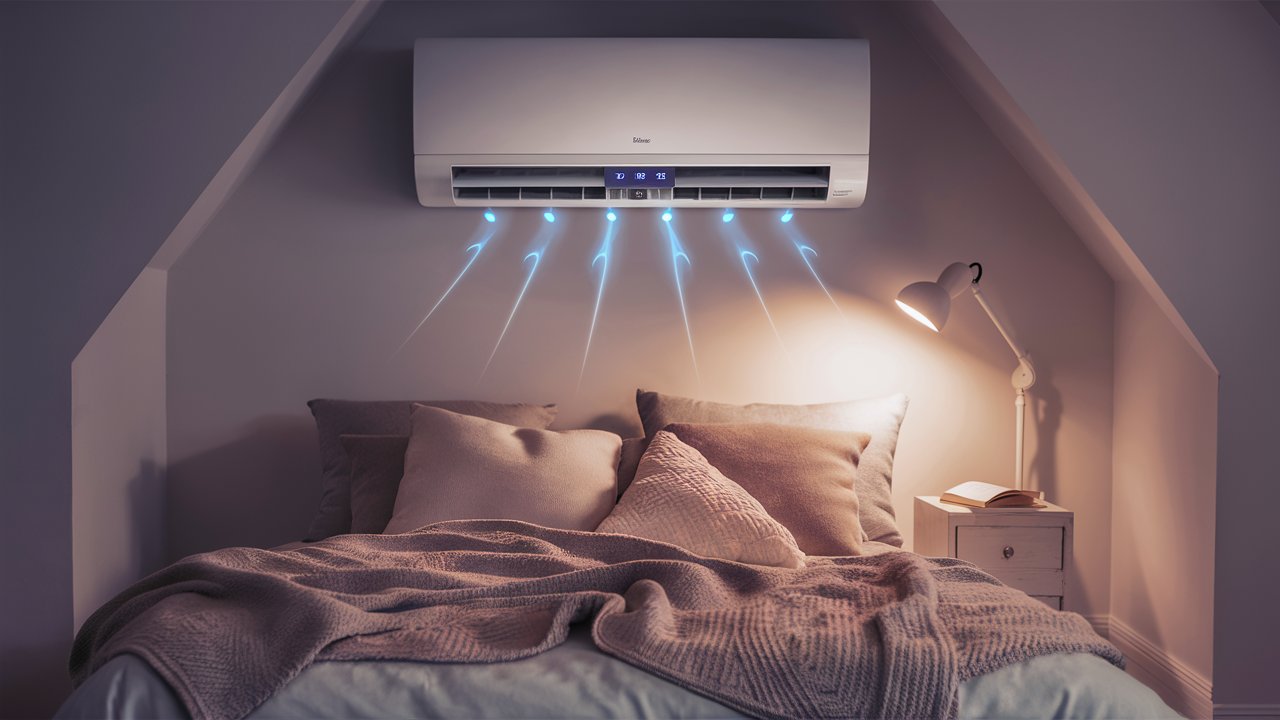
When purchasing an air conditioner, one of the most common terms encountered is “a/c ton.” Many people mistakenly believe that a ton refers to the weight of the air conditioner, but in reality, it measures the cooling capacity of the unit. Understanding what an A/C ton means, how it affects energy consumption, and how to choose the right tonnage for a specific space is essential for achieving comfort, efficiency, and cost savings. This comprehensive guide explains everything about a/c ton, including its meaning, calculation, importance, and how to select the right tonnage for different room sizes and climates.
What Does A/C Ton Mean?
The term “a/c ton” refers to the cooling capacity of an air conditioner. One ton of cooling is equivalent to the amount of heat required to melt one ton (2,000 pounds) of ice in 24 hours. In technical terms, one ton equals 12,000 BTU (British Thermal Units) per hour. Therefore, a 1-ton air conditioner can remove 12,000 BTUs of heat from a room every hour. The higher the tonnage, the greater the cooling capacity of the air conditioner.
This measurement helps determine how powerful an air conditioner is and how large an area it can effectively cool. For example, a 1-ton A/C is suitable for small rooms, while a 2-ton or 3-ton unit is ideal for larger spaces such as living rooms or offices. Understanding this concept ensures that the air conditioner operates efficiently without overworking or underperforming.
How to Calculate the Right A/C Ton for a Room
Choosing the correct A/C tonnage depends on several factors, including room size, ceiling height, insulation, number of occupants, and local climate. A general rule of thumb is that one ton of cooling is sufficient for approximately 120 to 150 square feet of space in a moderate climate. However, this can vary depending on environmental conditions and room design.
To calculate the required tonnage, multiply the room’s length and width to get the area in square feet. Then, divide the total area by 150 to estimate the tonnage needed. For example, a room measuring 300 square feet would require roughly a 2-ton air conditioner. In hotter regions or rooms with poor insulation, slightly higher tonnage may be necessary to maintain comfort.
Importance of Choosing the Right A/C Ton
Selecting the correct a/c ton is crucial for both comfort and energy efficiency. An undersized air conditioner will struggle to cool the room, running continuously and consuming more electricity. This not only increases energy bills but also shortens the lifespan of the unit. On the other hand, an oversized air conditioner will cool the room too quickly without properly dehumidifying the air, leading to discomfort and uneven cooling.
The right tonnage ensures optimal performance, balanced humidity, and consistent temperature control. It also helps maintain indoor air quality and reduces wear and tear on the compressor. Proper sizing is therefore essential for achieving long-term efficiency and comfort.
Factors Affecting A/C Tonnage Requirements
Several factors influence the tonnage required for effective cooling. Room size is the most obvious, but other elements play a significant role as well.
- Room Orientation and Sunlight Exposure: Rooms facing west or south receive more sunlight and heat, requiring higher tonnage compared to shaded rooms.
- Insulation Quality: Well-insulated rooms retain cool air longer, reducing the need for higher tonnage. Poor insulation leads to heat gain and increased cooling demand.
- Ceiling Height: Higher ceilings increase the volume of air that needs cooling, which may require a larger A/C unit.
- Number of Occupants: Each person adds body heat to the room, so spaces with more people need greater cooling capacity.
- Appliances and Electronics: Devices like computers, televisions, and lighting generate heat, increasing the cooling load.
- Climate Conditions: Hot and humid regions demand higher tonnage compared to cooler climates.
Considering these factors ensures that the chosen air conditioner performs efficiently under real-world conditions.
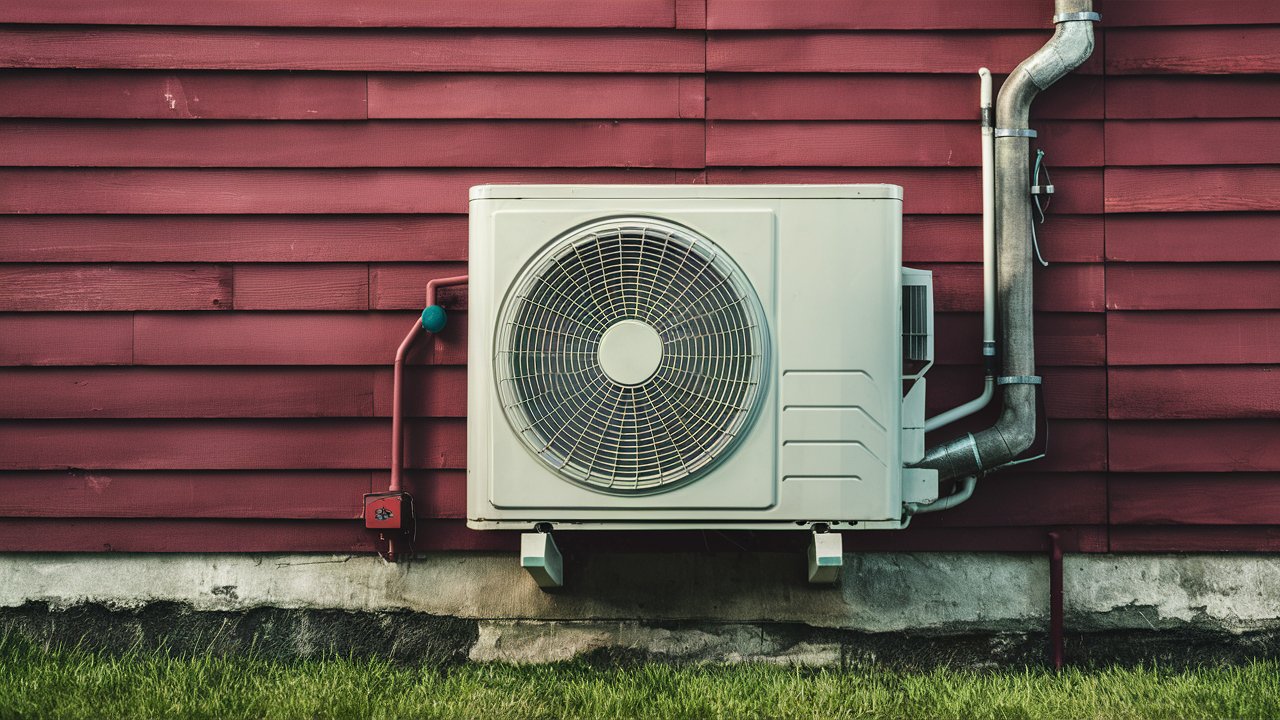
Difference Between 1 Ton, 1.5 Ton, and 2 Ton A/C
Understanding the difference between various A/C tonnages helps in selecting the right model for specific needs.
- 1 Ton A/C: Suitable for small rooms up to 120–150 square feet, such as bedrooms or study rooms. It consumes less power and is ideal for moderate climates.
- 1.5 Ton A/C: Best for medium-sized rooms between 150–250 square feet. It offers a balance between cooling power and energy efficiency, making it one of the most popular choices for households.
- 2 Ton A/C: Designed for large rooms or living areas up to 300–400 square feet. It provides powerful cooling but consumes more electricity, making it suitable for spacious environments or commercial use.
Choosing between these options depends on room size, usage patterns, and energy efficiency preferences.
Energy Efficiency and Star Ratings in A/C Tonnage
Energy efficiency is a key factor when selecting an air conditioner. The Bureau of Energy Efficiency (BEE) rates air conditioners based on their energy consumption, represented by star ratings from 1 to 5. A higher star rating indicates better energy efficiency and lower electricity bills.
For example, a 1.5-ton 5-star A/C consumes significantly less power than a 1.5-ton 3-star model while providing the same cooling capacity. Although high-efficiency models may cost more initially, they offer long-term savings through reduced energy consumption. Inverter technology further enhances efficiency by adjusting compressor speed according to cooling demand, maintaining consistent temperature without frequent on-off cycles.
Inverter vs Non-Inverter A/C Tonnage
Inverter air conditioners have revolutionized cooling technology by offering variable-speed compressors that adjust cooling output based on room temperature. Unlike non-inverter A/Cs that operate at a fixed speed, inverter models provide smoother temperature control, lower noise levels, and improved energy efficiency.
For instance, a 1.5-ton inverter A/C can operate between 0.8 to 1.8 tons depending on cooling needs, making it versatile and cost-effective. Non-inverter A/Cs, on the other hand, run at full capacity until the desired temperature is reached and then shut off, leading to higher energy consumption and temperature fluctuations.
How A/C Ton Impacts Electricity Consumption
Electricity consumption is directly related to a/c ton. Larger tonnage units draw more power to deliver higher cooling capacity. However, energy-efficient models and inverter technology can significantly reduce power usage.
For example, a 1-ton A/C typically consumes around 0.8 to 1.0 units of electricity per hour, while a 1.5-ton A/C may use 1.2 to 1.5 units per hour. The actual consumption depends on factors such as thermostat settings, insulation, and outdoor temperature. Maintaining the A/C at 24–26°C, cleaning filters regularly, and ensuring proper insulation can help minimize energy costs.
Common Myths About A/C Ton
Several misconceptions surround the concept of a/c ton. One common myth is that a higher tonnage always means better cooling. In reality, excessive tonnage can lead to short cooling cycles and poor humidity control. Another misconception is that tonnage affects air conditioner weight, which is false since tonnage measures cooling capacity, not physical mass.
Some people also believe that increasing tonnage automatically reduces electricity bills, but this is not true. Oversized units consume more power and may not operate efficiently. Understanding these myths helps consumers make informed decisions when purchasing an air conditioner.
Tips for Maintaining Optimal Cooling Efficiency
To ensure that an air conditioner performs efficiently, regular maintenance is essential. Cleaning air filters every two weeks prevents dust buildup and improves airflow. Servicing the unit before summer ensures that refrigerant levels and coils are in good condition. Proper placement of the outdoor unit in a shaded area enhances performance and reduces energy consumption.
Additionally, sealing windows and doors prevents cool air from escaping, while using curtains or blinds minimizes heat gain. Setting the thermostat at an optimal temperature and using ceiling fans can further enhance cooling efficiency without increasing energy costs.
Conclusion
Understanding a/c ton is fundamental to choosing the right air conditioner for any space. It determines cooling capacity, energy efficiency, and overall comfort. Selecting the correct tonnage based on room size, insulation, and climate ensures optimal performance and cost savings. Whether opting for a 1-ton, 1.5-ton, or 2-ton unit, balancing cooling needs with energy efficiency is key to long-term satisfaction. With proper maintenance and informed selection, an air conditioner can deliver consistent comfort while minimizing electricity consumption.
Frequently Asked Questions (FAQ)
1. What does 1 ton mean in an air conditioner?
One ton of cooling equals 12,000 BTU per hour, representing the amount of heat an air conditioner can remove from a room in one hour.
2. How do I know what tonnage A/C I need?
Calculate the room area in square feet and divide by 150 to estimate the required tonnage. Adjust for factors like sunlight, insulation, and number of occupants.
3. Does higher tonnage mean faster cooling?
Higher tonnage provides greater cooling capacity, but if oversized, it may cool too quickly without dehumidifying properly, leading to discomfort.
4. Which is better: inverter or non-inverter A/C?
Inverter A/Cs are more energy-efficient and provide consistent cooling by adjusting compressor speed, while non-inverter models operate at fixed speeds.
5. How does A/C ton affect electricity bills?
Larger tonnage units consume more power, but energy-efficient models and proper usage can reduce electricity costs significantly.
6. Can a 1-ton A/C cool a large room?
A 1-ton A/C is suitable for small rooms up to 150 square feet. For larger spaces, higher tonnage is required for effective cooling.
7. What happens if I install the wrong tonnage A/C?
An undersized unit will overwork and consume more energy, while an oversized one will cool unevenly and waste electricity. Choosing the right tonnage ensures efficiency and comfort.
8. How often should an A/C be serviced?
Servicing should be done at least once a year before the cooling season to maintain performance and prevent breakdowns.
9. Does tonnage affect A/C lifespan?
Properly sized and maintained units last longer, while incorrect tonnage can strain components and reduce lifespan.
10. What is the most energy-efficient A/C tonnage?
The most energy-efficient tonnage depends on room size and usage, but inverter models with higher star ratings offer the best efficiency across all capacities.
